PREFERREDTHE JOURNAL / ISSUE ARCHIVE
PREFERREDVOL.04 / WIND, NOT FUEL
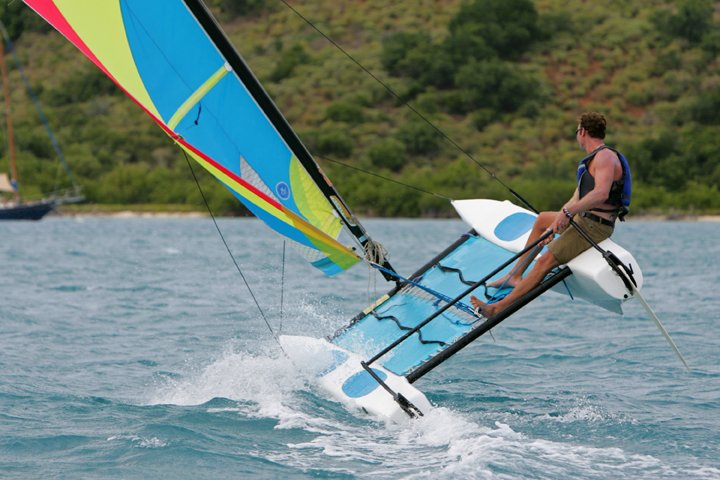
A scene where a sailor is sailing while making a splash.
VOL.04 · 2026A JOURNAL OF THINGS WORTH CHOOSING

THE WIND ISSUE · HOBIE WAVE

WIND,
NOT FUEL

When Wind Becomes the Engine

ISSUE EXPLORE ↓
Cover: Hobie sailing · Photo: Punaluu Sailing Barcelona · VIEW SOURCE ↗
THE FOURTH ISSUE

Waiting for the wind and reading the water.
The story begins with a small sailboat and continues through durable gear and a more responsible way to spend time at sea.

CONTENTS

Stories in VOL.04

01 / EDITOR'S NOTEThe Sea Moves Through Relationships, Not Fuel↗02 / COVER STORYHobie Wave, A First Sail on the Wind↗03 / BRAND PHILOSOPHYWhy Patagonia Talks About Keeping Things in Use↗04 / EQUIPMENT & ETHOSGear That Lasts, More Time at Sea↗05 / TWO WAYS AT SEAPowered by Engines, Powered by Wind↗06 / FIRST SAIL GUIDESeven Things to Know Before Your First Sail↗07 / OUR YACHT PROJECTWIND DAY: Learning the Sea Through Wind↗08 / PREFERRED SELECTIONFive Things Worth Another Look↗
01 / EDITOR'S NOTEREAD THIS STORY ↗

The Sea Moves Through Relationships, Not Fuel

Our fourth issue begins with reading the wind rather than seeking more power.

We often measure a crossing by speed. Yet a lasting relationship with the sea may begin with reading the wind rather than adding a larger engine.

An engine shortens the journey to a destination. Wind makes us more aware of the time in between. A sailor watches the wind and water, waits when necessary and adjusts as conditions change. Nature becomes a set of conditions to work with rather than an obstacle to defeat.

The Hobie Wave appears on our cover. This small catamaran can begin close to the beach. It has no elaborate cabin or large engine, yet it gives a first-time sailor a direct experience of wind becoming propulsion.

We then consider why Patagonia connects long use and repair with product quality. Hobie and Patagonia do not offer the same answer, nor do we present them as partners. PREFERRED places them in one issue to ask how equipment and the sea can be enjoyed for longer, and with greater responsibility.

Powerboats and sailboats do not cancel one another out. They serve different purposes and create different experiences. The useful question is how each choice changes our relationship with the sea.

PREFERRED EDITORIAL
PREFERRED · VOL.04
02 / COVER STORYREAD THIS STORY ↗

Hobie Wave, A First Sail on the Wind

A small catamaran that brings a first sail within reach of the beach.

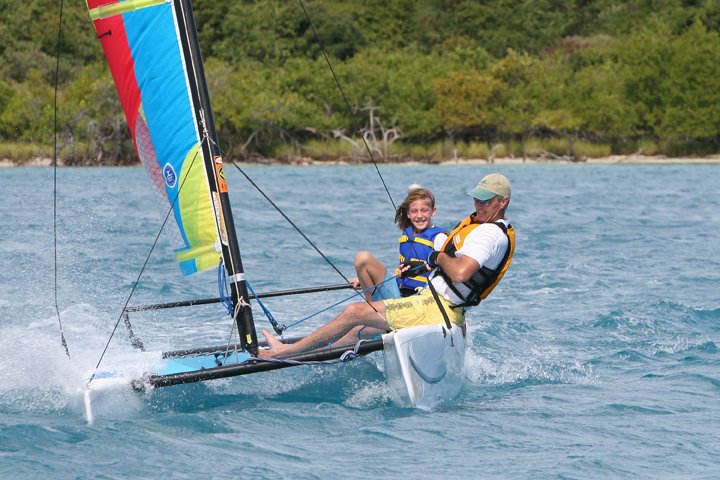
Father and daughter sailing on the Hobie Wave
Hobie Wave family sailing · Photo: Punaluu Sailing Barcelona · VIEW SOURCE ↗

The Hobie Wave is not a symbol of a grand marina. It is a small catamaran that can be launched near the beach and offers an accessible starting point for learning how wind moves a boat.

The experience begins before launch

Sailing begins before the boat leaves shore. The hull is checked, the mast and sail are raised, and the wind direction is considered. Taking part in these preparations turns the boat's structure and the day's conditions into physical knowledge.

Confidence through simplicity

Hobie presents the Wave as an entry-level sailing catamaran that is straightforward to rig and handle. Published specifications list a length of 3.96 meters, a beam of 2.13 meters, a weight of 111 kilograms and capacity for one to four people. Rotomolded polyethylene hulls, a symmetrical design, no daggerboards and a boomless mainsail reduce complexity for someone learning the boat for the first time.

Learning balance between two hulls

Two hulls and a broad trampoline give families and beginners room to sit together and feel the wind. Stability is no reason to become careless. As sailors work the rudder, trim the sheet and shift their weight, they become active participants rather than passengers.

A first lesson in reading the water

The Wave teaches more than speed. When the wind shifts, the sail is trimmed; when a gust arrives, power is eased; when conditions are unsuitable, the boat stays ashore. Before learning to sail well, a beginner learns to notice the signals in wind and water.

One small sail changes the way you experience the sea.

SOURCE · Hobie Wave Official Introduction · Hobie Brand History

PREFERRED · VOL.04
03 / BRAND PHILOSOPHYREAD THIS STORY ↗

Why Patagonia Talks About Keeping Things in Use

Reconsidering quality through function, durability and repairability.

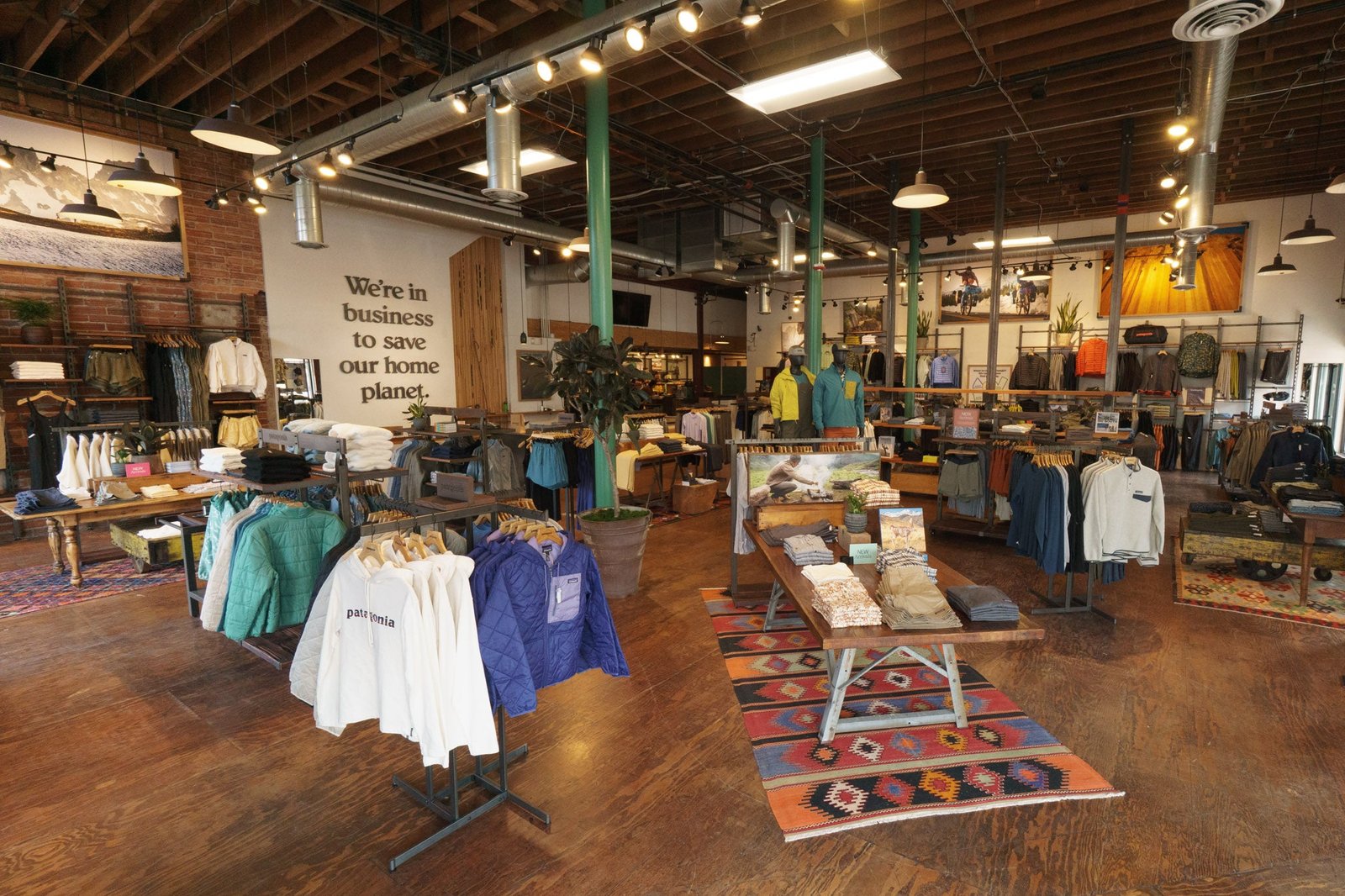
Patagonia Bend store interior and display space
Patagonia Bend store interior · Photo: Patagonia Bend · VIEW SOURCE ↗

Keeping something in use is more than tolerating wear. It begins with making a product to last, repairing it when problems arise and allowing evidence of use to become part of its value.

Redefining a good product

Patagonia defines a good product through usefulness, versatility, durability, repairability and recyclability. Newness alone is not a measure of quality. A product must work in the field, withstand repeated use and be repairable when something goes wrong.

Repair is the next step in design

The intention to keep a product is not enough if it cannot be repaired. Components, stitching, materials and construction must all accommodate repair. Patagonia has described how problems discovered during repairs can inform later product design.

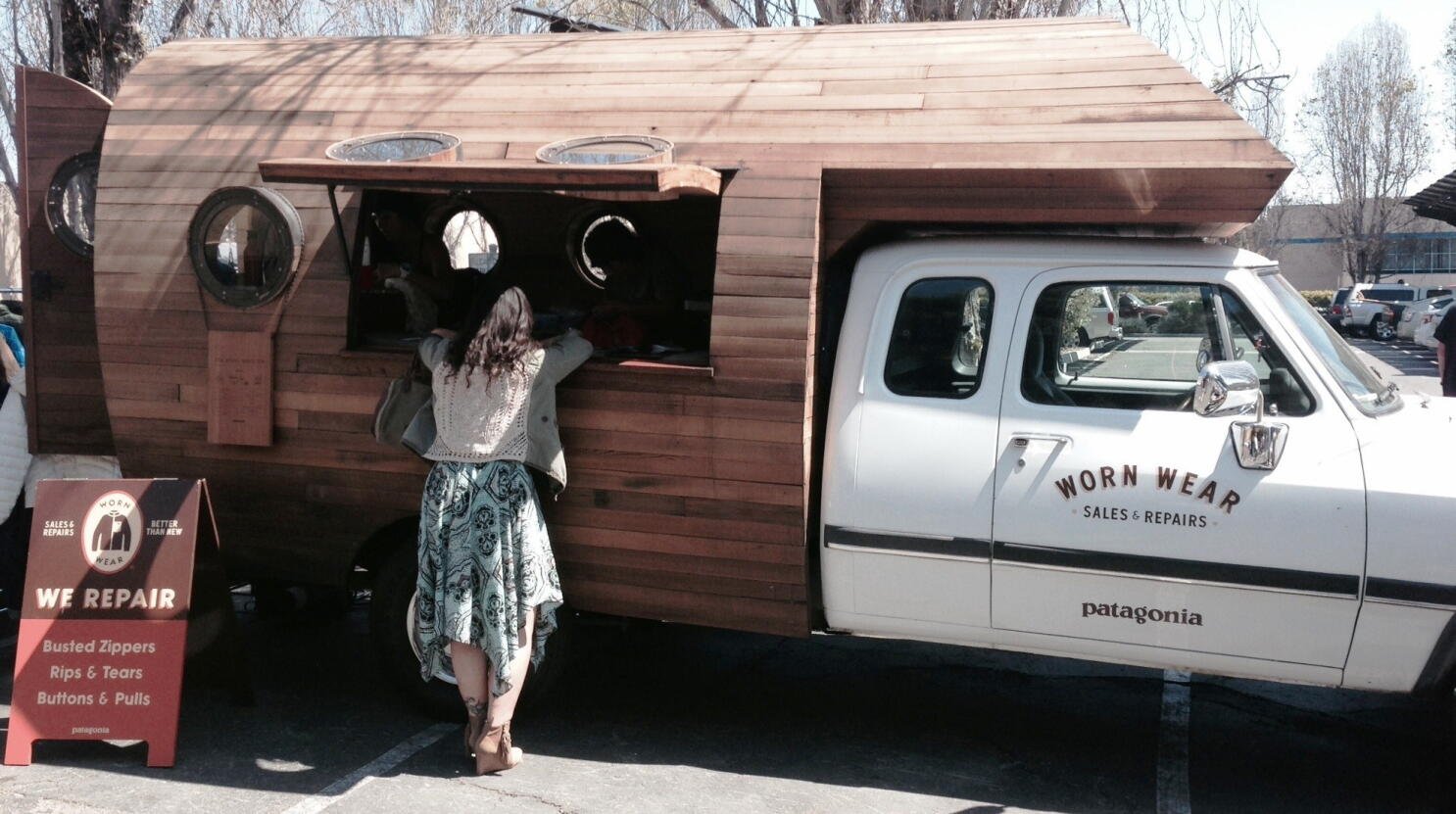
Patagonia Worn Wear Mobile Repair Vehicle with Wood Workshop
Patagonia Worn Wear repair truck · Photo: Patagonia / Los Angeles Times · VIEW SOURCE ↗

A repair shop on the road

The Worn Wear vehicle made the idea of keeping clothing in use visible. Carrying sewing equipment, it traveled to customers to mend zippers, tears and buttons. The brand's message became practical work done by hand rather than remaining an advertising line.

Being open about responsibility

No manufactured product is free of environmental impact. Patagonia acknowledges the effects of its products and supply chain. Its philosophy is therefore better understood as an effort to extend responsibility beyond production and sale, rather than as a claim that any product is simply 'good for the environment.'

A brand is remembered not so much for what it sells as for what it takes responsibility for after the sale.

SOURCE · Patagonia Core Values · Quality Is an Environmental Issue · Patagonia Worn Wear Tour

PREFERRED · VOL.04
04 / EQUIPMENT & ETHOSREAD THIS STORY ↗

Gear That Lasts, More Time at Sea

Reading the use and care of a Hobie Wave through Patagonia's standards for durable products.

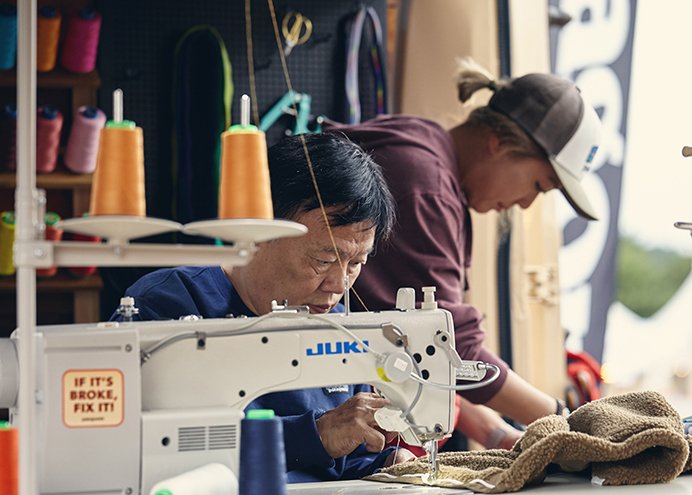
Patagonia Worn Wear worker repairing clothing
Worn Wear repair process · Photo: Patagonia Korea · VIEW SOURCE ↗

Good equipment does not replace nature. It helps us experience it for longer.

Patagonia and Hobie are separate companies with different environmental positions. Placing them side by side simply brings the period after purchase into view. Durability concerns how long something can serve; maintenance is the practice that makes that time possible.

Durability is a beginning

Hobie presents the Wave's rotomolded polyethylene hulls as durable, but even robust equipment remains exposed to salt, ultraviolet light, impact and abrasion. Rinsing with fresh water, inspecting the rigging and rudders, and replacing worn parts can extend its working life.

What fuel-free operation does and does not mean

Under sail, the Wave uses wind rather than an engine for propulsion, so the experience carries neither engine exhaust nor engine noise. Environmental effects still remain in hull production, transportation, storage, maintenance and disposal. 'Sailing without fuel while underway' is more accurate than calling any boat completely environmentally friendly.

A practice of care

The user is not merely the final customer, but the first person responsible for care. Inspect the equipment before departure, rinse and dry it after returning, and investigate and repair faults when they appear. These repeated acts help both gear and time at sea last longer.

BEFORE THE NEXT SAIL

Clean · Check for wear · Check for loose joints · Repair or replace necessary parts · Re-prepare safety equipment

SOURCE · Hobie Wave Official Introduction · Patagonia Core Values · Quality Is an Environmental Issue

PREFERRED · VOL.04
05 / TWO WAYS AT SEAREAD THIS STORY ↗

Powered by Engines, Powered by Wind

What two different forms of boating ask of us.

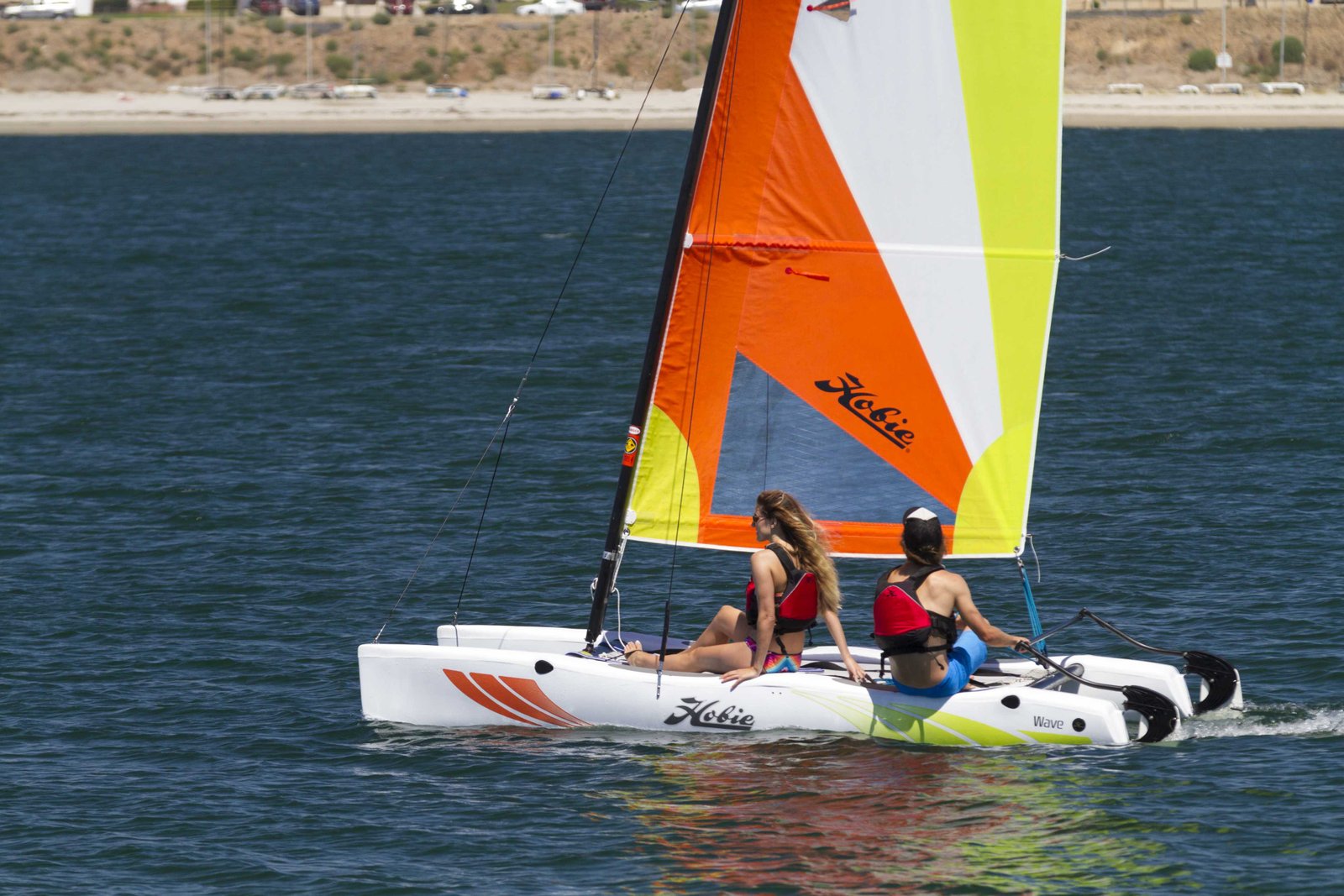
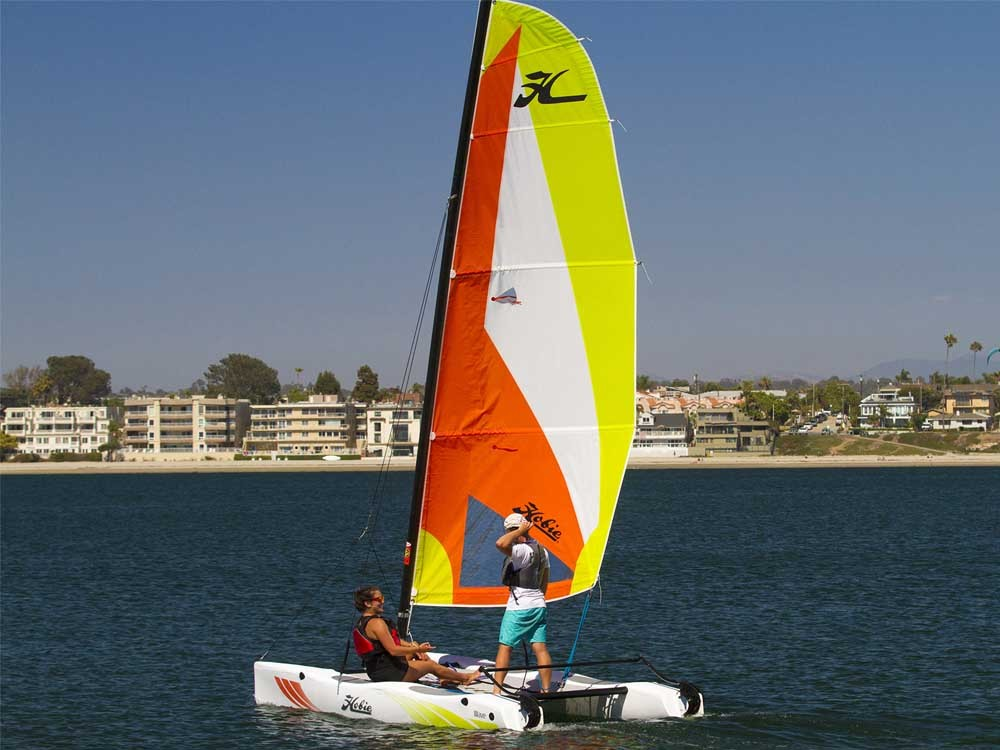
Two sailors sailing on the Hobie Wave from our latest sales page
Hobie Wave sailing · Current 2025 model listing image: West Coast Sailing · VIEW SOURCE ↗

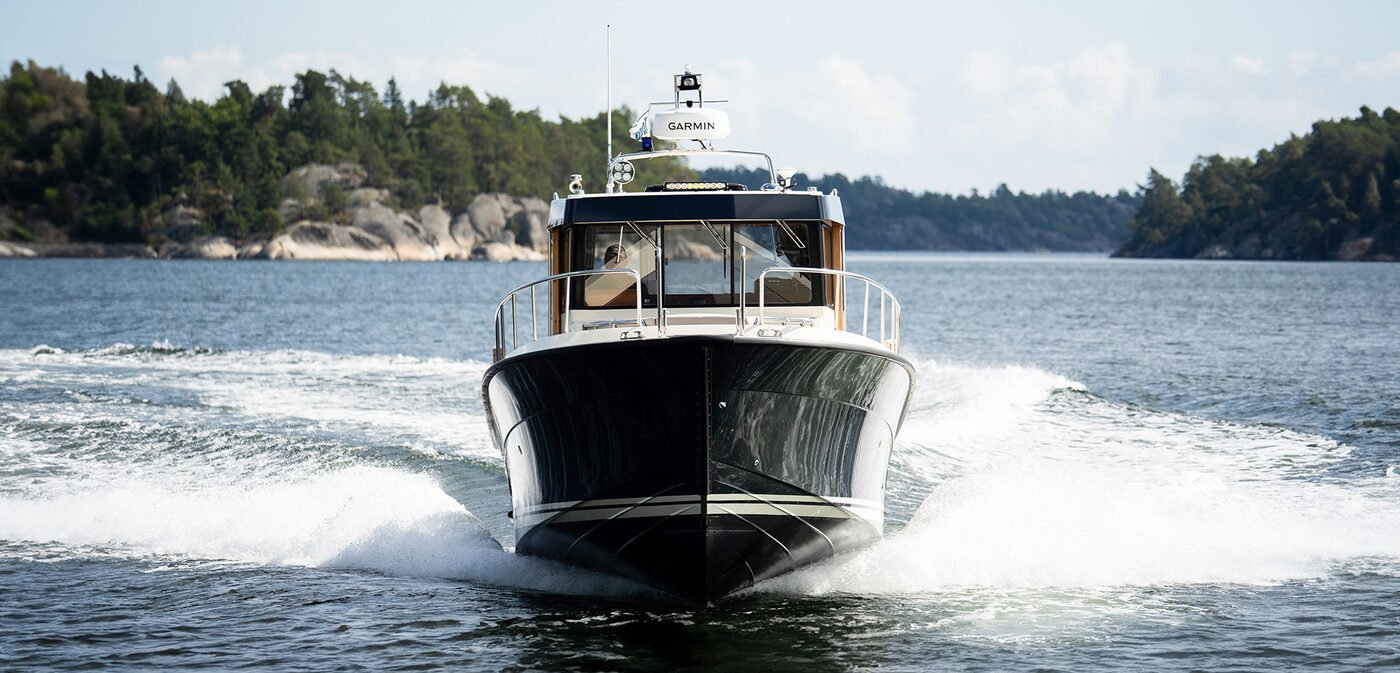
Powerboats and sailboats create different experiences on the same water. Neither replaces the other; their purposes and the way people participate are different.

PowerboatHobie Wave
PowerEngine and fuelWind and Sail
Key StrengthsTravel Distance and MobilityDirect participation and awareness of conditions
Role of the passengerMovement and Destination ExperienceControl/Balance/Direction Setting
Primary SenseSpeed and MovementWind·Sail·Wave
Suitable sceneLong distance travel, fishing, cruisingBeach experience, education, family sailing

A day when the destination is important

The maneuverability of a powerboat is a distinct advantage when traveling long distances within a given period of time or moving between fishing spots and multiple anchorages. Efficient operation suited to the weather and water area, appropriate speed, and regular engine maintenance are ways to use its advantages responsibly.

When the process becomes the purpose

On a Wave, moving with the wind is the activity itself. The sailor holds the sheet, works the rudder and feels the boat respond immediately. The passage may remain in memory longer than the place reached at its end.

Different dynamics create different relationships, not just different speeds.

SOURCE · Hobie Wave Official Introduction

PREFERRED · VOL.04
06 / FIRST SAIL GUIDEREAD THIS STORY ↗

Seven Things to Know Before Your First Sail

Basic safety and care before enjoying the wind.

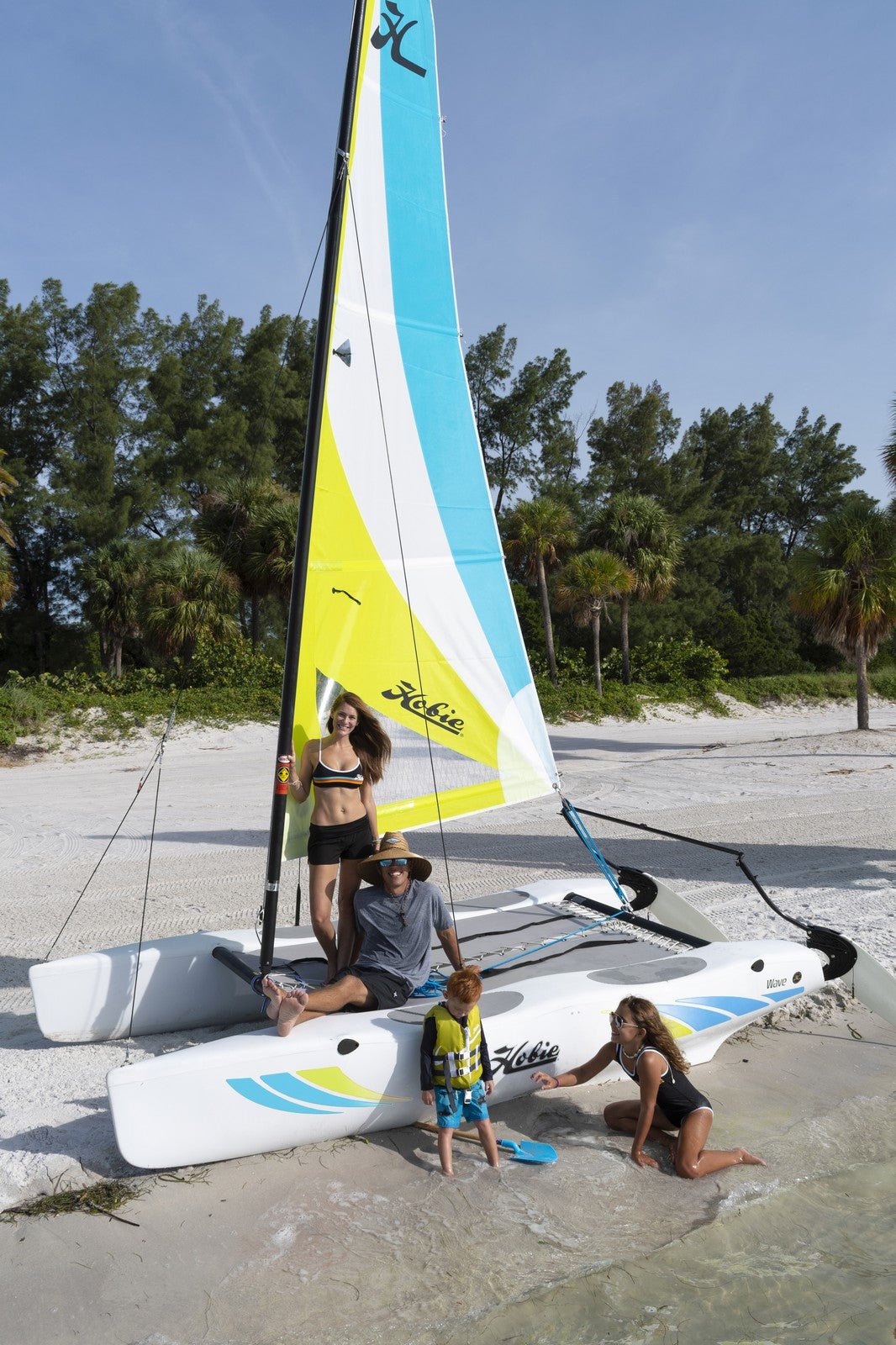
A family prepares to set sail next to the Hobie Wave on the beach.
Hobie Wave on the beach · Photo: Murrays Sports · VIEW SOURCE ↗

Sailing can look simple, but it takes place in changing wind and on open water. The goal of a first sail is not distance; it is a safe return.

1. A personal flotation device is essential

Regardless of swimming ability, wear a personal flotation device suited to your size and activity. Check one another's buckles and straps before launching.

2. Wind speed is only part of the forecast

Consider direction, possible gusts and changes expected after departure as well as average wind speed. Beginners should start in light, steady conditions.

3. Make the first sail with an experienced person

Do not try to learn rigging, departure, change of direction, and return to port on your own. Receive guidance from an instructor or an experienced person who knows the water area.

4. Understand the water before launching

Check the weather and currents, nearby vessels, shallow areas, prohibited areas, and return points. Directions from site operators and local regulations shall take precedence. Based on

5. Learn capsize recovery on shore

Treat capsize as a possibility and learn the response before launching. Know what to do after entering the water, how to reboard and how to call for help.

6. The next sail begins after returning

Wash off the salt with fresh water and dry the sails and lines. Inspect the rudder, joints, worn ropes and safety equipment in order.

7. Bring everything back with you

Do not leave behind packaging materials, beverage containers, or even broken pieces of rope. Small habits become the standard for a culture that uses the sea.

This article is a general introductory guide. During actual operations, training from on-site instructors, weather judgment, local water regulations and safety procedures must be followed.

SOURCE · Hobie Wave Official Introduction

PREFERRED · VOL.04
07 / OUR YACHT PROJECTREAD THIS STORY ↗

WIND DAY: Learning the Sea Through Wind

A proposed program connecting safety instruction, a first sail and care for the beach.

Two adults sailing together on a Hobie Wave
Hobie Wave sailing · Image provided by editor

Can one day at the water include safety, learning, equipment care and responsibility for the coast? WIND DAY is an OUR YACHT program concept that treats sailing as a way to understand the sea, rather than as a brief ride.

PROGRAM PROPOSALWIND DAY by OUR YACHTFirst voyage with the wind
OrderContentsRecommended Time
01Safety, weather, and marine environment briefing15 minutes
02Onshore rigging, sail and rudder basics20 minutes
03Sailing with an instructor or in a small group30 to 40 minutes
04Equipment Cleaning or Beach Cleanup10 minutes
05Sailing records and next training information10 minutes

Learning by doing

Participants do more than put on flotation devices and listen to a briefing. They raise the sail, organize the lines and take part in steering once underway. Rinsing and putting away the equipment after returning is treated as part of the same sail.

Turning a day's experience into a shared culture

The concept could be adapted for youth marine education, family programs, company groups, hotel or resort partnerships and maritime festivals. The measure is not the number of short rides. Participants should check the weather, handle the equipment, clean up after returning and take part in caring for the beach. WIND DAY is intended to connect one enjoyable experience with a more responsible next visit.

This program remains a planning proposal. Operations, dates, location, participant numbers, insurance and safety staffing have not been confirmed.

PREFERRED · VOL.04
08 / PREFERRED SELECTIONREAD THIS STORY ↗

Five Things Worth Another Look

Five choices at different scales that complete a day under sail.

This is not a ranking. Each selection suggests a way to keep equipment in use, leave less behind and experience the sea more deeply.

01 / BOAT

Hobie Wave

A small catamaran that allows even those who have set sail for the first time to convert the wind into power.

02 / ELEMENT

Wind

A source of power that cannot be owned, only understood and used.

03 / GEAR

Patagonia Torrentshell 3L

A simple rain shell with functionality and durability at its core. In order to use it for a long time, it needs to be maintained and repaired.

04 / HABIT

Fresh water cleaning after returning to port

Inconspicuous, but most basic care to prepare your rig for its next voyage.

05 / PROGRAM

WIND DAY

A program concept linking safety instruction, a first sail, equipment care and beach cleanup.

SOURCE · Hobie Wave Official Introduction · Patagonia Torrentshell 3L · Patagonia Core Values

PREFERRED · VOL.04
PREFERRED LETTER

Be the first to read
our next issue.

We will email you when a new issue is published.

SUBSCRIBE →
FIRST SAIL GUIDE

The goal of a first sail is
a safe return

Seven essentials, from personal flotation devices and weather checks to capsize recovery and post-sail care.

READ THE GUIDE ↗