PREFERREDTHE JOURNAL / ISSUE ARCHIVE
PREFERREDVOL.06 / A WEEKEND AFLOAT
SUNBEAM 32.1 under sail
VOL.06 · 2026A JOURNAL OF THINGS WORTH CHOOSING

SUNBEAM 32.1 / AUSTRIA

A WEEKEND
AFLOAT

Design and life by the Austrian lakes

EXPLORE THE ISSUE →
Cover video: SUNBEAM Yachts · 01:42–01:52 / Still image: KISKA · SUNBEAM 32.1 / Water sound effect: Pfannkuchn · CC0
LAKE · DESIGN · DAILY LIFE

From a day aboard
to the objects we hold every day.

CONTENTS

Inside VOL.06

01 / EDITOR'S NOTEDesigning the time at anchor→02 / COVER STORYA day on deck→03 / PEOPLERedrawing a familiar boat→04 / PLACESailing in a landlocked country→05 / STAYAn old house by the lake→06 / OBJECT 01The structure of lightness→07 / OBJECT 02A morning made of steel and glass→08 / CLOSING ESSAYWhat stays after the weekend→

An editorial selection based on published sources.

01 / EDITOR'S NOTEREAD ARTICLE →

Designing the time at anchor

A weekend begins with a boat, then leads us toward the people, places, and objects that shape life around it.

The SUNBEAM 32.1 under sail
The SUNBEAM 32.1 under sail Image source: KISKA

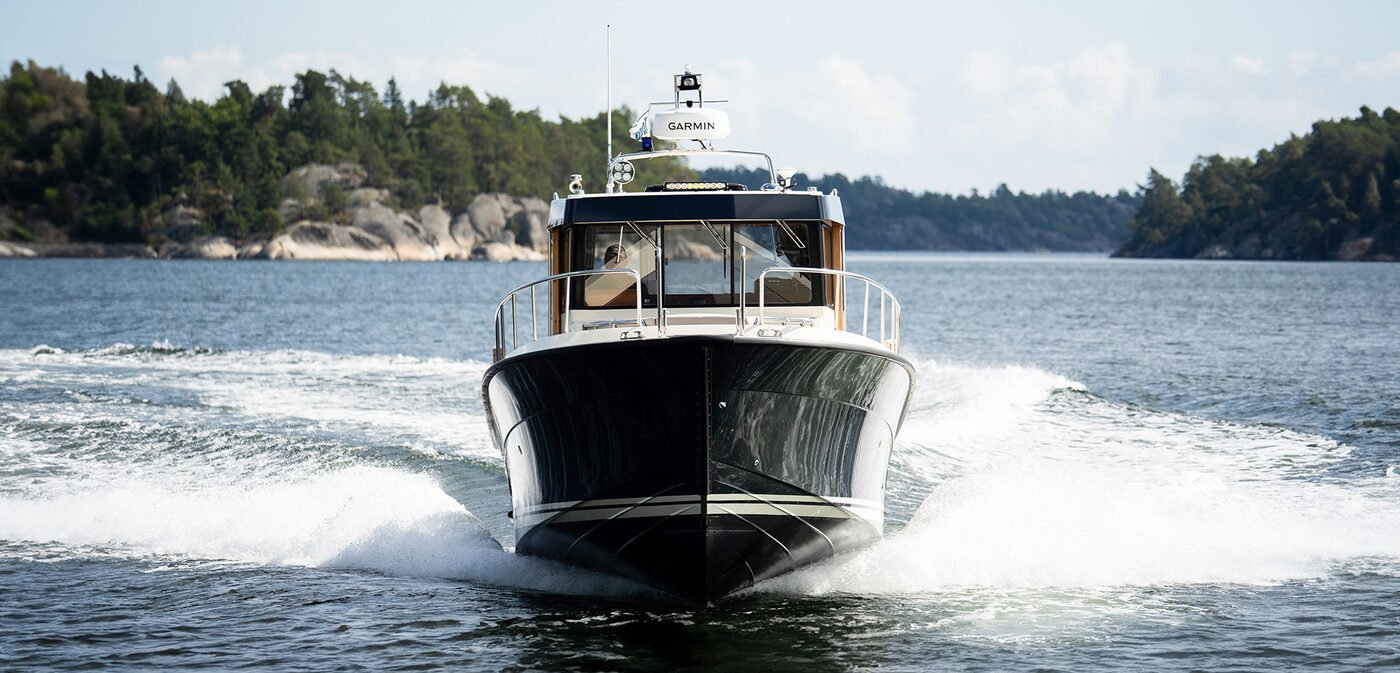
The bow deck of the SUNBEAM 32.1 extends beyond the sides of the hull. Alongside the space needed to handle the boat, it makes room for people to sit or stretch out. Follow that outline and a design decision leads to a question about how we spend a day on the water.

The team considered how the boat would be used under sail and after the breeze dropped. They wanted the person steering and the people along for the trip to find their own enjoyment aboard. The enlarged deck and bright interior give that intention a physical form.

Our sixth issue starts with this boat. We look at the people behind its design, then turn to the Austrian lakeside town where the brand grew. A place to stay comes next, followed by objects on a more intimate scale: eyeglasses worn every day, and an enamel mug for the breakfast table.

A practical question connects them: how did their makers turn an understanding of use into decisions about form and material? This issue looks for the decisions still visible in the finished result.


PREFERRED · VOL.06
02 / COVER STORYREAD ARTICLE →
SUNBEAM 32.1

A day on deck

The SUNBEAM 32.1 is designed around a full day aboard, including the hours when nobody is steering.

Hull and sail of the SUNBEAM 32.1
Hull and sail of the SUNBEAM 32.1 Image source: SUNBEAM Yachts

Flight Deck is SUNBEAM's name for the bow area that extends beyond the sides of the hull. In profile, it gives the bow a distinctive line. Viewed from above, it reveals space set aside for people.

To understand the SUNBEAM 32.1, consider the different parts of a day aboard. Under sail, handling the boat and moving around it matter. At anchor, the same space becomes a place to rest or swim. The development team addressed both situations in one design.

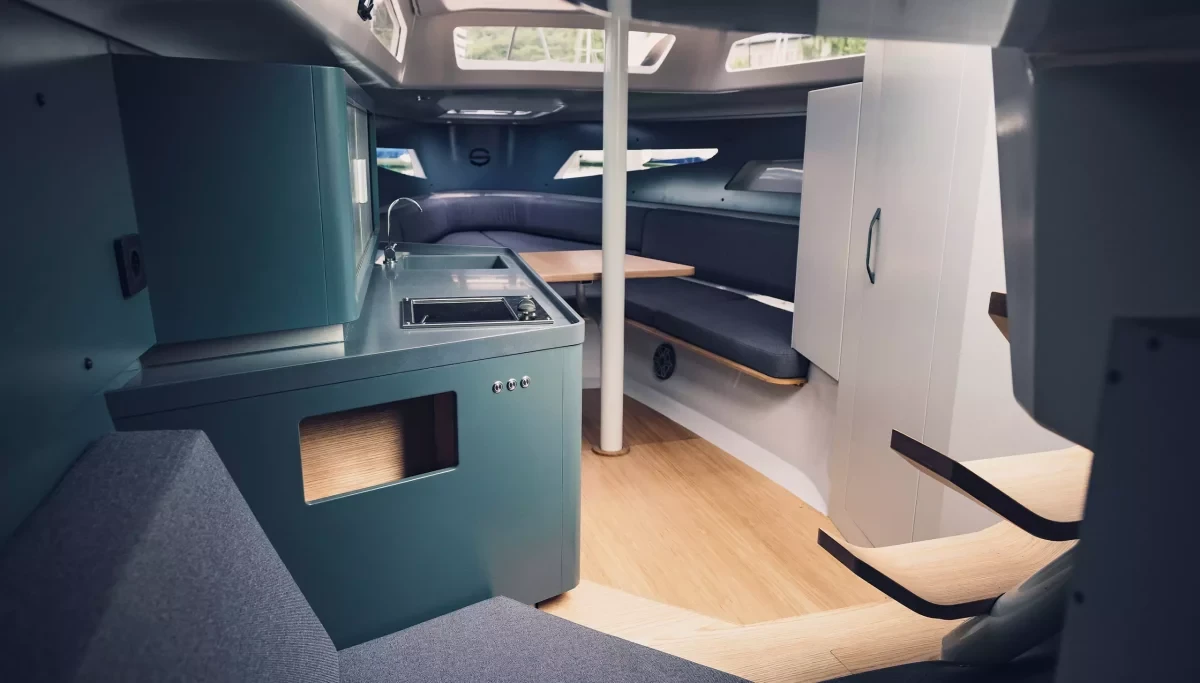
The idea continues aft. An extending swim platform lengthens the cockpit floor. Below deck, large windows and an open arrangement bring in light. KISKA describes an interior informed by modern architecture: the size of the windows and the connections between spaces keep the world outside in view.

The Flight Deck extends beyond the sides of the hull
The Flight Deck extends beyond the sides of the hull Image source: SUNBEAM Yachts
The aft cockpit and extended swim platform
The aft cockpit and extended swim platform Image source: SUNBEAM Yachts
Large windows and an open interior arrangement
Large windows and an open interior arrangement Image source: KISKA

The person away from the helm deserves attention here. Not everyone aboard spends the trip trimming sails or steering. Space and circulation matter to the companion sitting on deck, too. The SUNBEAM 32.1 brings that person's place to the foreground.

That makes it worth a closer look for readers who value time under sail and at anchor. Longer stays aboard call for a separate assessment of sleeping arrangements, storage, and water and power requirements. A photograph of a generous deck cannot answer all of those questions.

SUNBEAM lists an overall length of 9.98 meters. The more revealing measure is how the space is allocated: what becomes wider, which surfaces connect, and whose place is preserved. Read those decisions and the unusual outline becomes easier to understand.

PREFERRED · VOL.06
03 / PEOPLEREAD ARTICLE →
GERALD KISKA

Redrawing a familiar boat

Gerald Kiska and a collaborative design process that began with the people aboard.

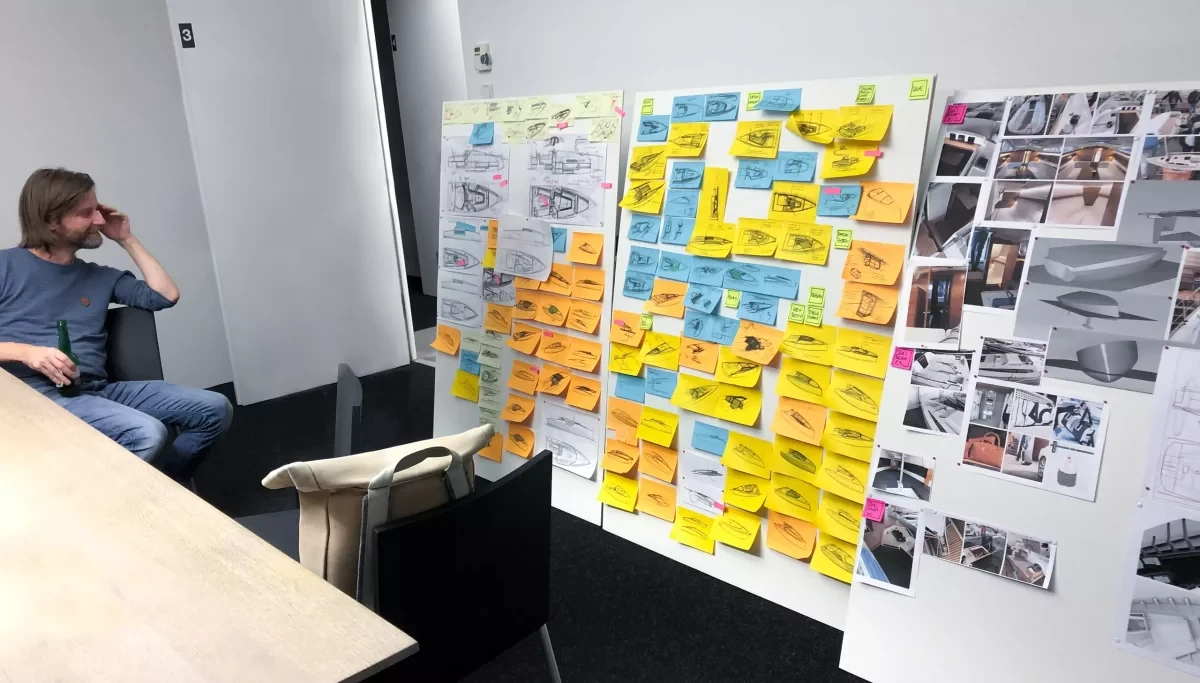
A SUNBEAM 32.1 development meeting with Gerald Kiska
A SUNBEAM 32.1 development meeting with Gerald Kiska Image source: KISKA

Look through the development record before studying the finished yacht. Ideas on a meeting-room wall, a digital model, and a boat under construction show how the team worked toward the final shape.

For the SUNBEAM 32.1, SUNBEAM brought industrial designer Gerald Kiska and KISKA into its long-standing collaboration with naval architects J&J. In the builder's account, the design team focuses on expanding what the boat offers in response to changing leisure habits. Companions who are not actively sailing should enjoy the day as well.

Kiska's studio developed in Salzburg. This project brought several disciplines together: Andreas Schöchl at SUNBEAM, naval architecture from J&J, and design work by KISKA. Project lead Gerhard Wipplinger describes a collaboration focused on how people would use the space.

Design sketches reviewed during development
Design sketches reviewed during development Image source: KISKA

KISKA documents the use of 3D models and virtual reality to examine the boat above and below deck. The team could assess proportions, how doors opened, colors, and materials at full scale. Surfaces and details continued to be reviewed and refined as the yacht was built.

Design begins well before the decoration of a finished hull. It involves defining what a user will do, checking the space that action requires, and adjusting the result with the people who make it. On the SUNBEAM 32.1, a decision about where companions would spend their time changed the outline of the boat.

To understand the setting behind that work, we turn to the lakeside culture of boatbuilding.

PREFERRED · VOL.06
04 / PLACEREAD ARTICLE →
MATTSEE

Sailing in a landlocked country

Mattsee connects the history of boatbuilding with the everyday use of the lake.

An aerial view of Mattsee and its lakeside setting
An aerial view of Mattsee and its lakeside setting Image source: Salzburger Seenland

In 1838, the Schöchl family established a woodworking business in Mattsee, Austria. SUNBEAM begins its official history there. The date offers a concrete starting point: working materials into useful forms has a long local history.

Boats around Salzburg's lakes are part of a working culture. The regional tourism organization traces the separate Steiner boatyard to 1898. Its account connects traditional wooden hull construction with the sailing and windsurfing activities offered today. Steiner and SUNBEAM are different businesses, but both help explain how making and using boats belong to life around Mattsee.

Austrian yachtbuilding becomes less surprising in that setting. Around the lakes, experience in building boats has developed alongside the skills needed to use them. A waterfront where makers and people learning to sail meet is a useful place to begin reading a regional craft culture.

The current production location needs to be distinguished from that history. SUNBEAM's official timeline records the move to nearby Munderfing in 2026. Mattsee remains the place that explains the brand's background and the environment in which it grew.

The story need not end on board. Choosing a house beside the same lake brings architecture and the dining table into the picture.

PREFERRED · VOL.06
05 / STAYREAD ARTICLE →
SCHLOSSHOTEL IGLHAUSER

An old house by the lake

Schlosshotel Iglhauser connects the Mattsee story to a lakeside building and its dining table.

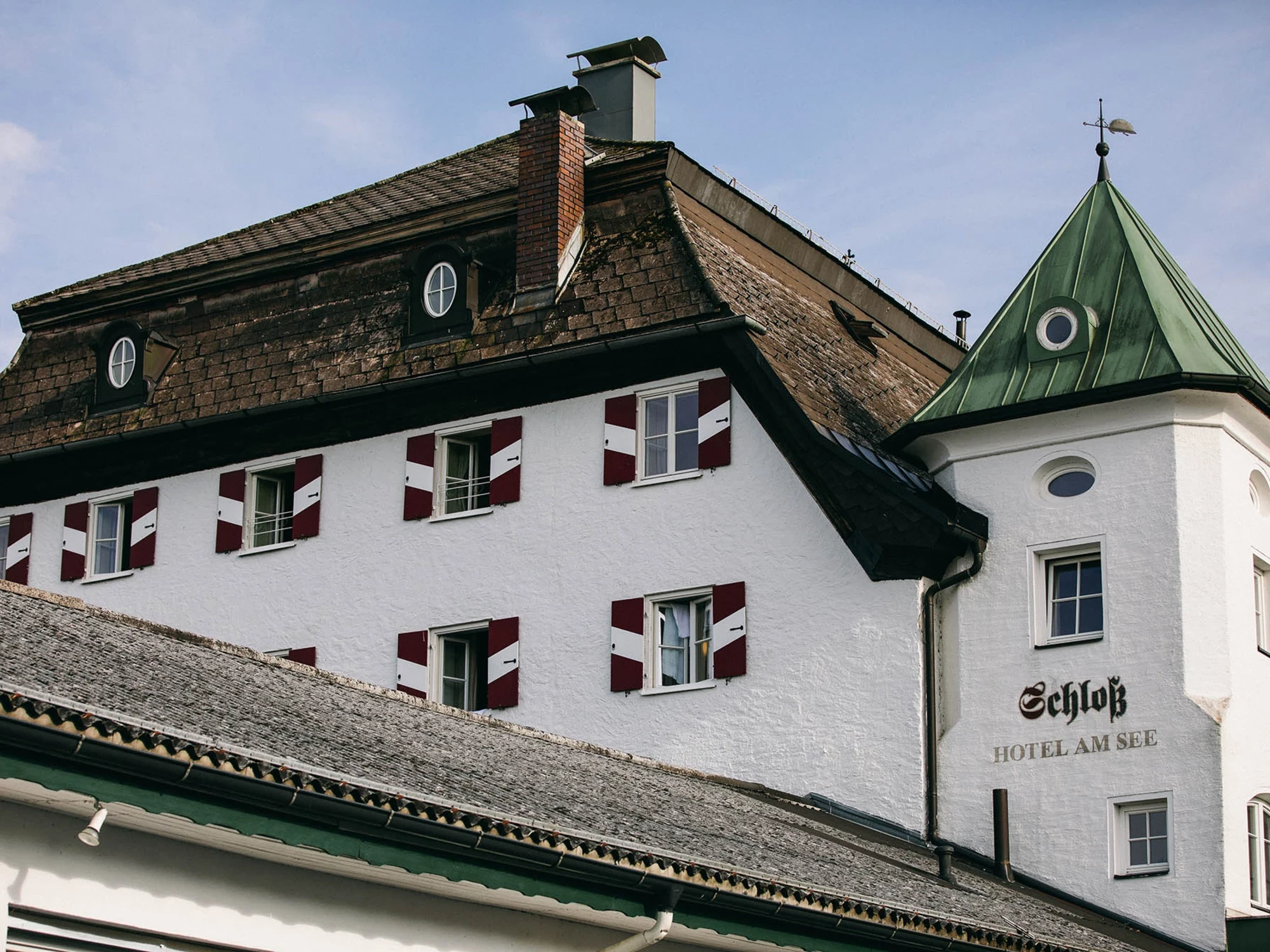
Red shutters and the round tower at Schlosshotel Iglhauser
Red shutters and the round tower at Schlosshotel Iglhauser Image source: Schlosshotels & Herrenhäuser

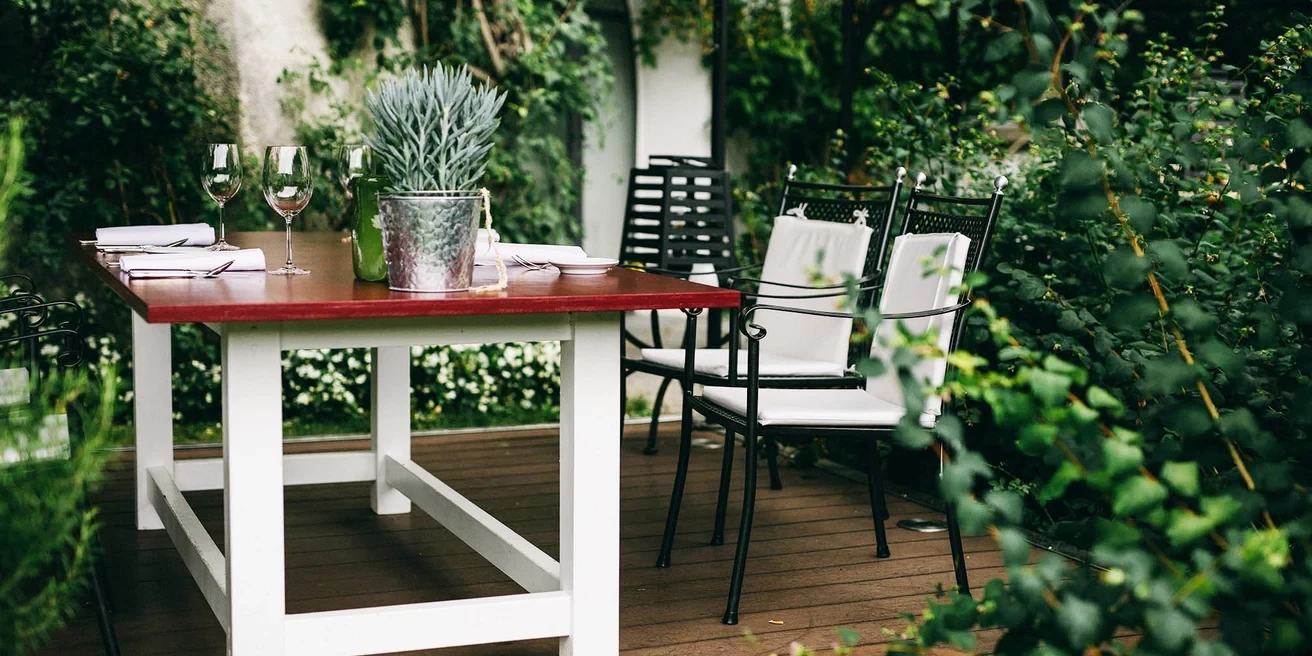
Red shutters, a pitched roof, and a round tower with white walls: the published photographs of Schlosshotel Iglhauser first reveal the building itself. Images of the dining terrace and nearby moorings extend the view toward life along the shore.

Schlosshotels & Herrenhäuser describes a hotel on the shoreline of a peninsula extending into Mattsee. Its account highlights rooms within historic walls, wooden beams, and a kitchen using regional ingredients and fish from the hotel's own fishery.

We selected this house because it continues the Mattsee story. After examining the spaces aboard a yacht, a building beside the same water offers another way to consider where people stay. The relationship to the outdoors moves from the deck to windows, a terrace, and a place at the table.

The dining terrace shown in the hotel’s published photographs
The dining terrace shown in the hotel’s published photographs Image source: Schlosshotels & Herrenhäuser
A marina scene from the hotel’s listing.
A marina scene from the hotel’s listing. Image source: Schlosshotels & Herrenhäuser

Choosing a room means looking beyond the character of the building. Before booking, check the view, layout, stairs, and access arrangements for the room you are considering. Priorities can lead to different choices within the same hotel.

We have not established which cups this hotel uses. The following objects are our editorial selections, a way of bringing the design questions in this issue closer to everyday life.

PREFERRED · VOL.06
06 / OBJECT 01READ ARTICLE →
SILHOUETTE TITAN MINIMAL ART

The structure of lightness

Silhouette Titan Minimal Art brings the question of usable form to a daily object worn on the face.

Titan Minimal Art Optical Collection 5599
Titan Minimal Art Optical Collection 5599 Image source: Silhouette

Eyeglass temples commonly rely on small hinges and fasteners. Silhouette's Titan Minimal Art is known for dispensing with rims, screws, and hinges. It removes familiar components while still having to work on a person's face.

Bring the design question from SUNBEAM to eyeglasses and the relationship to the body changes. Several people share the space aboard a boat. Eyeglasses rest on one face. The flexibility of the temples, the shape of the lenses, and the position on the nose all influence their use.

The model shown here is 5599 in the Titan Minimal Art Optical Collection, made in Austria. Silhouette presents the collection through its lightweight construction and detailed finish. We are interested in the engineering that turns a minimal-looking shape into a functioning daily object.

A minimal design does not ensure the same fit for everyone. The width of the face, the shape of the nose, and the chosen lenses change the result. Even glasses that look right in a photograph deserve trying on.

An enlarged yacht deck and a small eyeglass connection solve different problems. They meet in the process of considering a body and finding a structure that serves it. Our next object brings us closer to the surface.

PREFERRED · VOL.06
07 / OBJECT 02READ ARTICLE →
RIESS

A morning made of steel and glass

A RIESS enamel mug leads from the finished object to the processes behind its color and surface.

RIESS Becher 3/8 L · Product 0221-006
RIESS Becher 3/8 L · Product 0221-006 Image source: RIESS

A 0.375-liter enamel mug from RIESS's CLASSIC PASTELL range. Its steel body is finished with a glass-based enamel coating. Our selection is the Becher 3/8 L, item 0221-006.

Eyeglasses rest on the face; a cup meets the hand and lips. Its color and gloss develop as the enamel coating is applied and fired. RIESS states that it makes its enamelware at its own factory in Ybbsitz, Austria.

Keeping the cup in use involves understanding that material. Strong impacts and sudden temperature changes can damage enamel. Appreciating a form and knowing how to handle it belong together.

OBJECT / CRAFT

How a layer of color is made

Forming metal
Forming metal Image source: RIESS
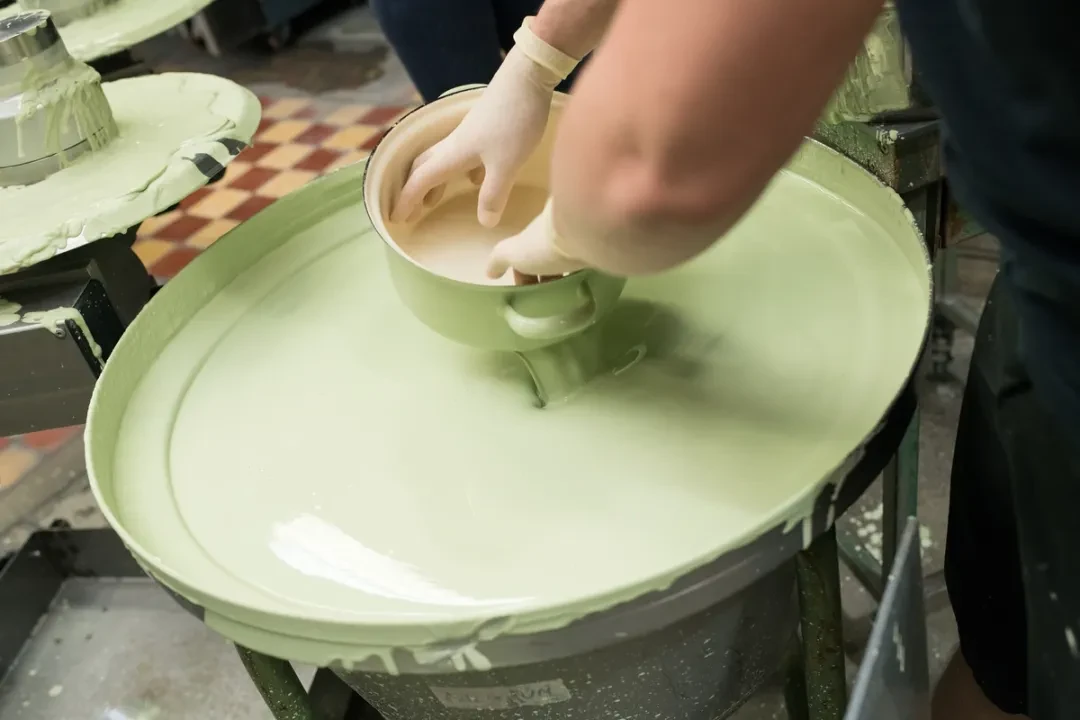
Applying enamel
Applying enamel Image source: RIESS
Firing in the kiln
Firing in the kiln Image source: RIESS

These photographs show RIESS’s general enamel production process. They have not been identified as the manufacture of the mug shown above.

RIESS's published process begins with cutting and forming sheet metal. Handles are attached to the shaped body, the surface is prepared, and enamel slip is applied. The company shows dipping and spraying methods used across its products.

Drying is followed by firing. At approximately 850°C, enamel and steel fuse to form the finished surface. Quality control and packaging follow. Understanding that smooth layer means considering the metal shape, the glass-based coating, and the heat of the kiln together.

Craft offers a closer view of the same object. Look at a cup's color, then ask where it came from. Place the material and process beside the finished piece and even a small object reveals decisions and skills worth explaining.

PREFERRED · VOL.06
08 / CLOSING ESSAYREAD ARTICLE →

What stays after the weekend

From a yacht's bow to a cup's surface, the questions in this issue find their way home.

The extended bow deck of the SUNBEAM 32.1
The extended bow deck of the SUNBEAM 32.1 Image source: SUNBEAM Yachts

A story that began at the bow has reached the surface of a cup. Along the way were people drawing usable spaces, a lakeside town with a boatbuilding history, and a house beside that water.

Each subject reveals a decision. SUNBEAM enlarged the place for companions. Eyeglasses changed the structure of a small connection. The enamel cup brings steel and glass together at the surface touched by the hand and lips. Looking beyond the visible form to the choice of material and shape has guided this issue.

A reader does not need to own a SUNBEAM or plan a trip to Mattsee to bring those questions into daily life. When choosing an everyday object, we can ask where it touches the body, what has been removed, and how it was made.

After closing this issue, take another look at a cup nearby. Beneath the color that first caught your eye are materials and a process. When the weekend ends, the object returns to your hand.

PREFERRED · VOL.06
PREFERRED LETTER

Be the first to read
our next issue.

We will email you when a new issue is published.

SUBSCRIBE →
FIRST YACHT GUIDE

A Short Guide to Your First Yacht

Seven questions to consider before choosing your first yacht.

READ THE BUYER'S GUIDE →