PREFERREDTHE JOURNAL / ISSUE ARCHIVE
PREFERREDVOL.02 / THE ART OF LIVING
VOL.02 · 2026A JOURNAL OF THINGS WORTH CHOOSING

THE SECOND ISSUE

THE ART
OF LIVING

A life that continues from sea to home

ISSUE EXPLORE ↓
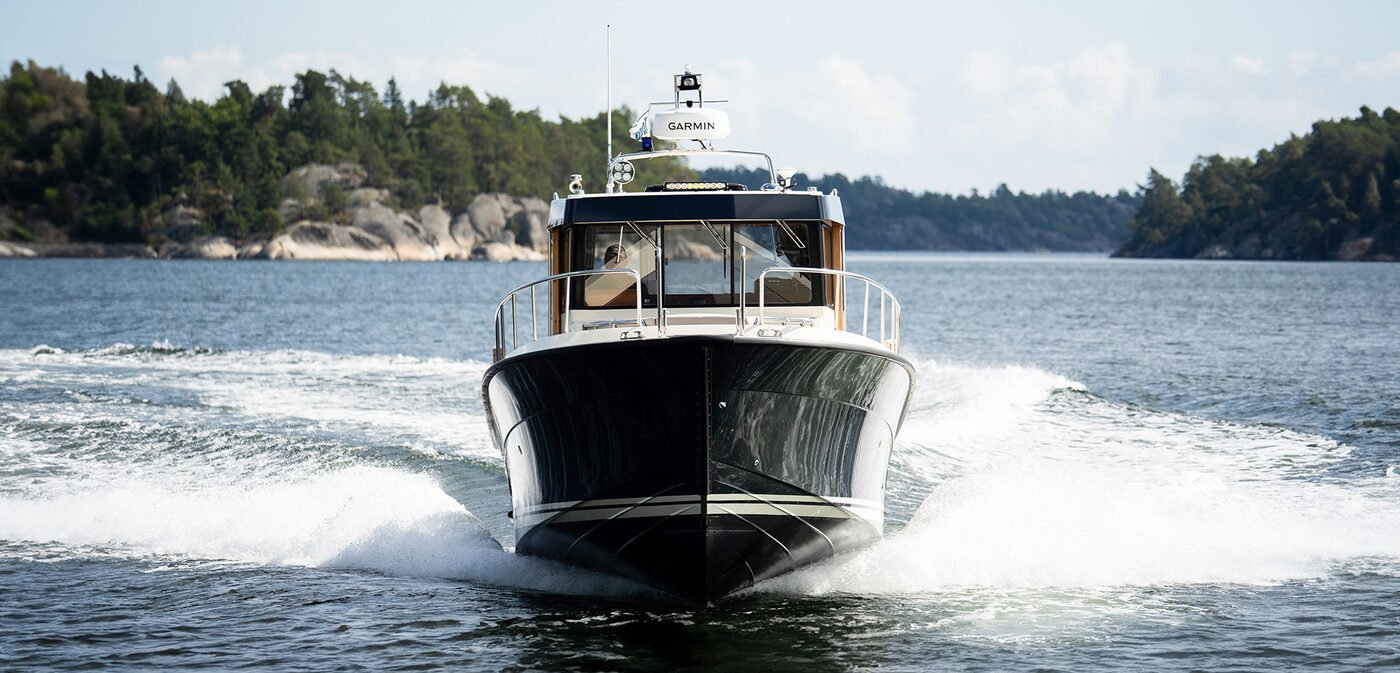
Cover film: Marex 390 · Video: Marex Boats
THE SECOND ISSUE

A good voyage does not end when the boat returns to shore.
From the Marex 390, the story moves through a founder's records, the cold of Røros, and the wool and furniture that give daily life its structure.

CONTENTS

Stories in VOL.02

01 / EDITOR'S NOTEFrom Sea to Home↗ 02 / COVER STORYMarex 390, A Cruiser Made for Time Together↗ 03 / PERSONThe Man Who Left More Than a Boat Behind↗ 04 / MAREX FEATUREA Family Day Within 12 Meters↗ 05 / DESIGN STORYWhat Makes a Shared Space Comfortable?↗ 06 / PLACERøros, Where Cold Changed Daily Life↗ 07 / OBJECTDesigning Warmth at Sea↗ 08 / DESIGN HERITAGEEikund, Norwegian Classics Made to Be Used Again↗ 09 / LIVING WITH OBJECTSThe Rhythm of Living With Things That Last↗ 10 / PREFERRED SELECTIONFive Details Worth Another Look↗
01 / EDITOR'S NOTEREAD THIS STORY ↗

From Sea to Home

Our second issue brings together a boat, a wool maker and a furniture company.

The best moments of a journey remain with us after we return home.

Our first issue asked what sets a good yacht apart. This issue takes the question further: what kind of life does comfort on a well-designed boat suggest? A place to sit together at sea, a blanket drawn over the shoulders and a chair made for long conversations can all belong to the same story.

The Marex 390 on our cover is arranged around the time that family and friends spend together. Its generous cockpit and connected interior suggest that cruising is as much about how a day is lived as it is about movement from one place to another.

The issue then turns to Norway's Røros Tweed and Eikund. One weaves Norwegian wool for life in a cold climate; the other returns furniture from the 1950s and 1960s to contemporary use. We also trace the story of Marex founder Eyvin Aalrud and the town of Røros, where climate made material choices part of everyday survival.

PREFERRED once again looks beyond the name to the reason for choosing. At sea or at home, what deserves a lasting place in our lives?

PREFERRED EDITORIAL
PREFERRED · VOL.02
02 / COVER STORYREAD THIS STORY ↗

Marex 390, A Cruiser Made for Time Together

At the heart of this boat is time spent together, rather than the destination.

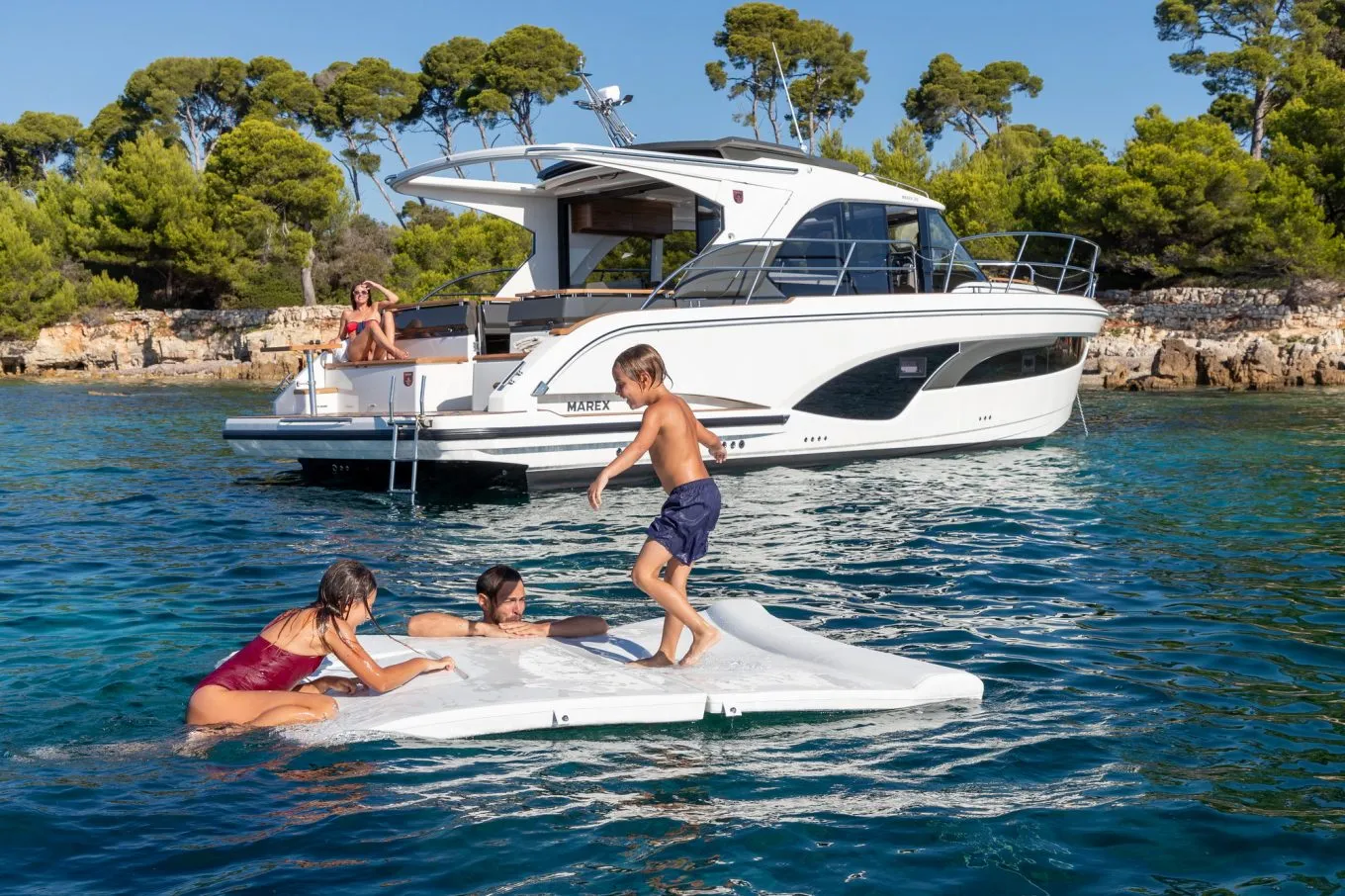
A Marex 390 at anchor while a family spends time in the water
Marex 390 at anchor · Photo: Marex Boats

The first clue to understanding the Marex 390 is not speed, but people: where they sit, how they share a meal and when they move outside.

Marex describes the model as a new-generation cruiser whose outdoor areas and comfortable interior were designed as one. The company also says that owners' feedback informed the details. This is clearest in the cockpit, where wraparound seating and an extending table can accommodate conversation and dining for as many as ten people.

A shared view of the water

A good seat on a boat should connect people rather than isolate them. The helmsman and passengers may be doing different things, but they should still feel part of the same day. At anchor, the Marex 390's cockpit becomes an outdoor living room and a natural place to gather.

The distance between indoors and out

Conditions at sea never remain the same. When the wind turns cold or the sun grows intense, easy movement between the interior and cockpit can extend the hours people spend comfortably on board.

A boat that makes you want to stay after you arrive.

FACT CHECK · Marex 390 Official Introduction

PREFERRED · VOL.02
03 / PERSONREAD THIS STORY ↗

The Man Who Left More Than a Boat Behind

From founder Eyvin Aalrud to his sons and Marex's Lithuanian production partners.

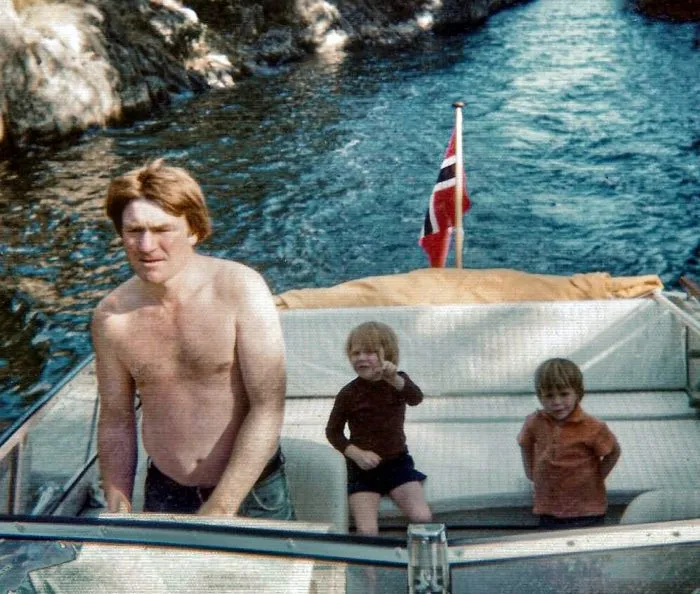
Eyvin Aalrud with his young sons aboard an early Marex boat
Eyvin Aalrud with his sons in the early Marex years · Photo: Marex Boats archive

In 1973, a 36-year-old former export manager began building boats in Rykene on Norway's southern coast, with family life rather than spectacle at the center of the idea.

Eyvin Aalrud's first Marex, the 24 Sun Cab, was conceived as a safe, economical family cruiser. That practical attention to how people spend a day together remains visible in the Marex 390: the boat is organized around shared time, not simply arrival.

A company the next generation could read

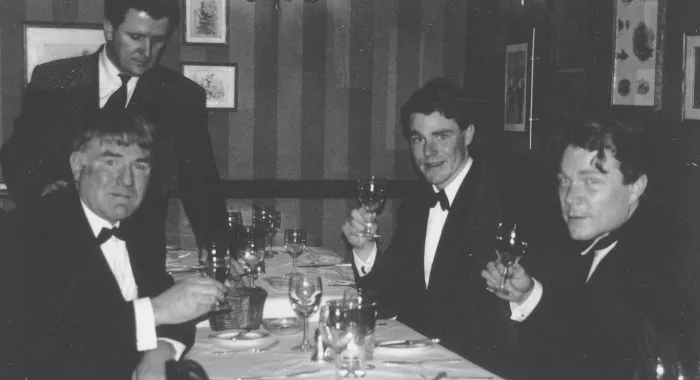
A factory fire in 1979 forced Marex to restart production in Fevik. Over the years, Eyvin recorded lessons from product development and the economics of boatbuilding in a guide to running a boat factory. After his death in 1998, those notes became a working foundation for his sons, Espen and Thomas, and for the company's Lithuanian partners.

Norwegian beginnings, Lithuanian production

Espen found experienced plastics and sailboat builders Saulius Pajarskas and Raimondas Siugzdinis in Kaunas. After a trial collaboration, production of the 270 Estremo moved first; other models followed in stages. Marex's main manufacturing facility is now in Kaunas, Lithuania. Korean import documentation, including the import declaration certificate and related records, accordingly identifies Lithuania in the production-origin information.

The connection to Norway remains operational as well as cultural. Marex maintains a Norwegian office in Oslo, while its former Fevik facilities support service, winter storage and aftermarket work. The precise description is therefore not "made in Norway," but a Norwegian family boatbuilder whose boats are built in Lithuania.

A family company's inheritance is not only a name. It is a set of judgments the next generation can still use.

FACT CHECK · Marex official history · Marex corporate locations · Korean import documentation reviewed

PREFERRED · VOL.02
04 / MAREX FEATUREREAD THIS STORY ↗

A Family Day Within 12 Meters

Reading the Marex 390 through its cockpit, salon and cabins.

Surround seating in the Marex 390 cockpit
Marex 390 open social space · Photo: Marex Boats

A family day on the water involves more than travel. Meals, conversations and private moments all have to find their place on the same boat.

The published specifications list an overall length of 12.00 meters, a 3.72-meter beam and a 1.03-meter draft. There are two cabins and berths for four plus two. More revealing than the numbers is the distribution of space: the cockpit is the main gathering place, while the interior offers other ways to spend time as the weather and hour change.

The cockpit table

The extending table changes the way the cockpit is used. Underway, it leaves a clear passage; at anchor, it becomes the center of a meal.

A private place to rest

The two cabins give those on board a measure of privacy. On a longer cruise, being able to close a door for a while matters as much as having a generous shared space.

LOA12.00 m
BEAM3.72 m
CABINS2
BERTHS4+2

Based on the manufacturer's published information. Confirm current specifications and options before purchase.

FACT CHECK · Marex 390 Official Specifications · Korean-language overview

PREFERRED · VOL.02
05 / DESIGN STORYREAD THIS STORY ↗

What Makes a Shared Space Comfortable?

Five everyday situations to consider when viewing the Marex 390.

Marex 390 Salon Space
Marex 390 salon · Photo: Marex Boats

A boat's interior is best understood through the order of a day, rather than through the floor plan alone.

1. Can everyone sit face to face?

Look beyond the number of seats to the way people face one another. Can everyone at the table join the conversation without effort?

2. Is it easy to go back and forth between indoors and outdoors?

Sun and wind can change several times in a day. When movement between the cockpit and salon feels natural, life on board continues without interruption.

3. Do circulation paths interfere with one another?

Consider the position of doors and passageways while preparing a meal, retrieving luggage or stepping onto the deck.

4. Can everyone have time alone?

The pleasure of cruising together includes the option to rest apart. Notice how the two cabins relate to the shared spaces.

5. Does it work well at anchor?

Beyond performance underway, the way people sit, eat and rest at anchor defines daily life on a cruiser.

ON-BOARD CHECK

During a sea trial, sit down, stand up, move through the boat, open the doors, use the table and step into each cabin.

PREFERRED · VOL.02
06 / PLACEREAD THIS STORY ↗

Røros, Where Cold Changed the Materials of Daily Life

From the wooden streets of a mining town to a Norwegian wool blanket.

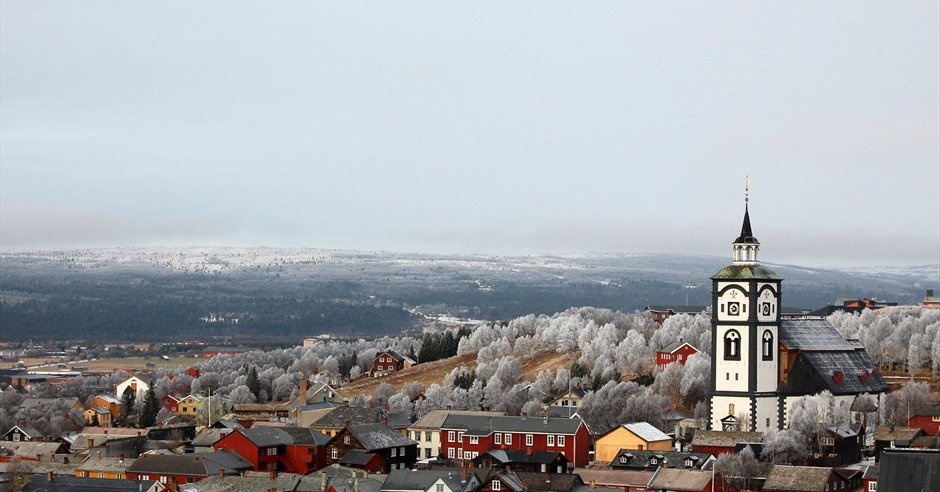
Røros Church above wooden houses and frost-covered trees
Røros in winter · Photo: Visit Røros and Østerdalen

In a Røros winter, an object's first task is not to decorate a room but to help the body withstand the cold.

Set high in Norway's interior, Røros grew after copper ore was discovered nearby in 1644 and the first smelter was established in 1646. Mining continued for 333 years, until 1977. Around 2,000 wooden buildings remain, showing how work, farming and domestic life were sustained in a remote and demanding climate.

A town made by different kinds of work

To see Røros only as a picturesque winter town is to miss half its character. Miners, smelter workers, farmers and craftspeople shaped it together. Severe cold was not scenery; it was a condition that determined clothing, bedding and the materials kept close at home. Local wool and textile knowledge offered a practical response.

Weaving warmth

A bequest made by Peder Hiort in 1789 supported textile training and materials for children in need, helping sustain a local textile tradition. Founded in 1940, Røros Tweed continues to weave and finish Norwegian wool in the town. Its blankets do not literally illustrate mining history, but their material and purpose remain connected to a culture formed by cold.

Mountain cold, coastal wind

A wool blanket from Røros and the salon of a Marex 390 belong to different landscapes. They nevertheless answer the same question: what allows people to remain comfortable when the weather changes? In this issue, wool matters less as decoration than as a material that extends the time people can spend together.

A material is never fully explained once it is separated from the conditions of daily life.

FACT CHECK · UNESCO, Røros Mining Town · Røros Tweed official history · Visit Røros and Østerdalen

PREFERRED · VOL.02
07 / OBJECTREAD THIS STORY ↗

Designing Warmth at Sea

The Marex salon, warmed by Norwegian wool.

Marex 440 Scandinavia salon with a combination of gray fabric and wood
Marex 440 Scandinavia salon · Photo: Marex Boats

Comfort at sea is not determined by seat size alone. When the air turns cold, the material against the skin can decide how long people choose to remain outside.

The Marex 390's interior is both a cabin underway and a moving salon for long hours at anchor. Teak grain, pale leather and fabric sit against the dark water beyond the windows. Add a wool blanket and the salon becomes a living space that offers warmth as well as visual comfort.

The warmth of the Norwegian coast in a single blanket

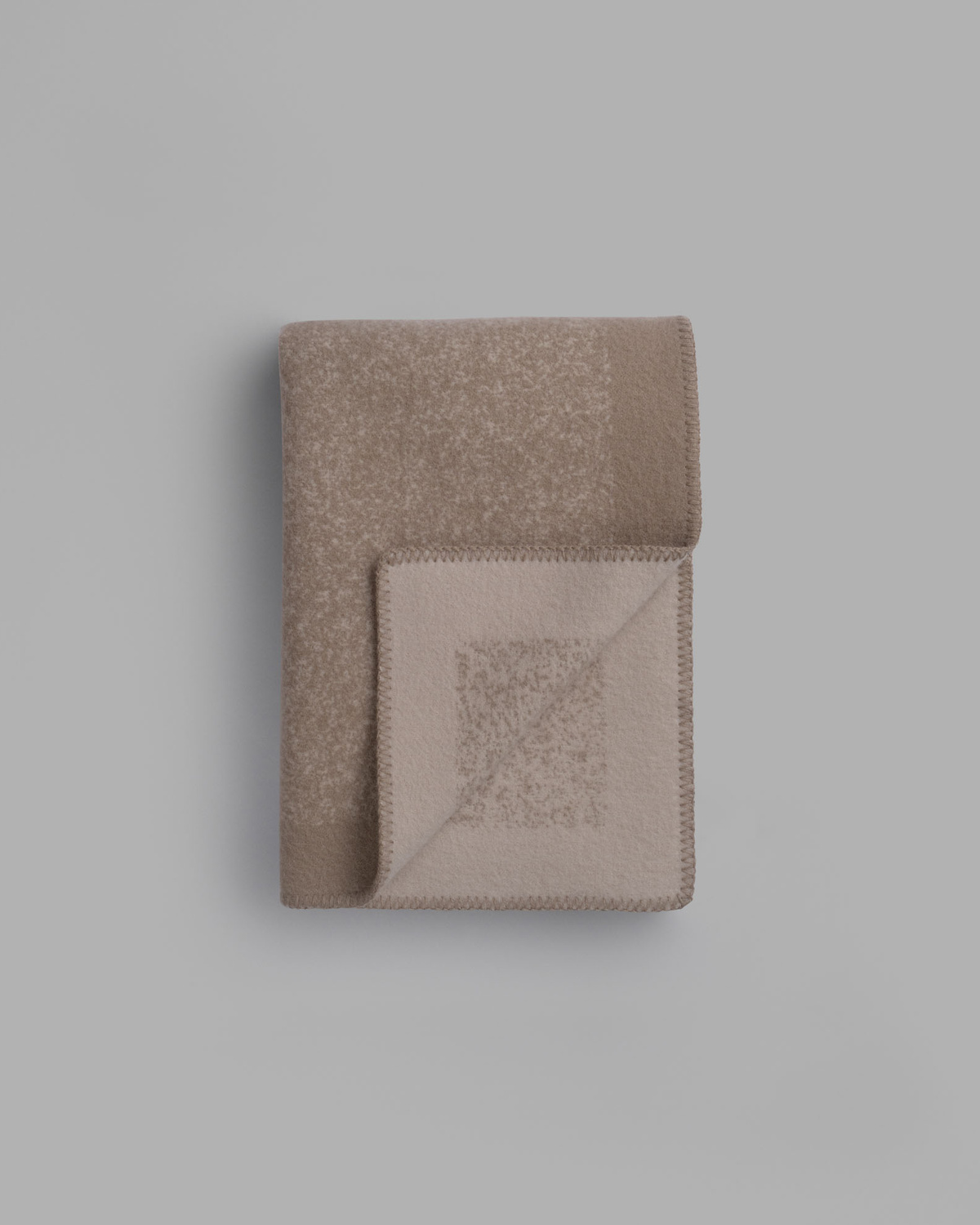
Røros Tweed was founded in Røros, Norway, in 1940. Its roots lie in a local tradition of producing warm textiles for a cold mountain climate. Norwegian wool remains central to the brand, and weaving and finishing still take place in Røros.

A material remembered through touch

Where the first issue considered light, transparency and everyday function, the objects in our second turn toward touch, warmth and the rhythm of coastal life. Wool answers the body before it decorates a room: drawn over the shoulders, folded at the end of a sofa or wrapped around someone as the night air cools.

Color and texture on board

Quiet shades such as gray and basalt sit naturally against cream leather, while pale wool provides a gentle contrast to deep navy. The point is not to make the cabin resemble a house, but to add a layer of comfort suited to the climate at sea.

A good blanket does not fill a space. It gives people a reason to stay a little longer.

FACT CHECK · Røros Tweed Official Brand Story · Norwegian wool and production methods · Una · Mineral

PREFERRED · VOL.02
08 / DESIGN HERITAGEREAD THIS STORY ↗

Eikund, Norwegian Classics Made to Be Used Again

Bringing Norwegian furniture from the 1950s and 1960s back into contemporary life.

Norwegian Classic Furniture by Eikund
Eikund design heritage · Photo: Eikund

A good chair changes the quality of the time spent in it. Eikund returns overlooked Norwegian furniture designs to everyday use.

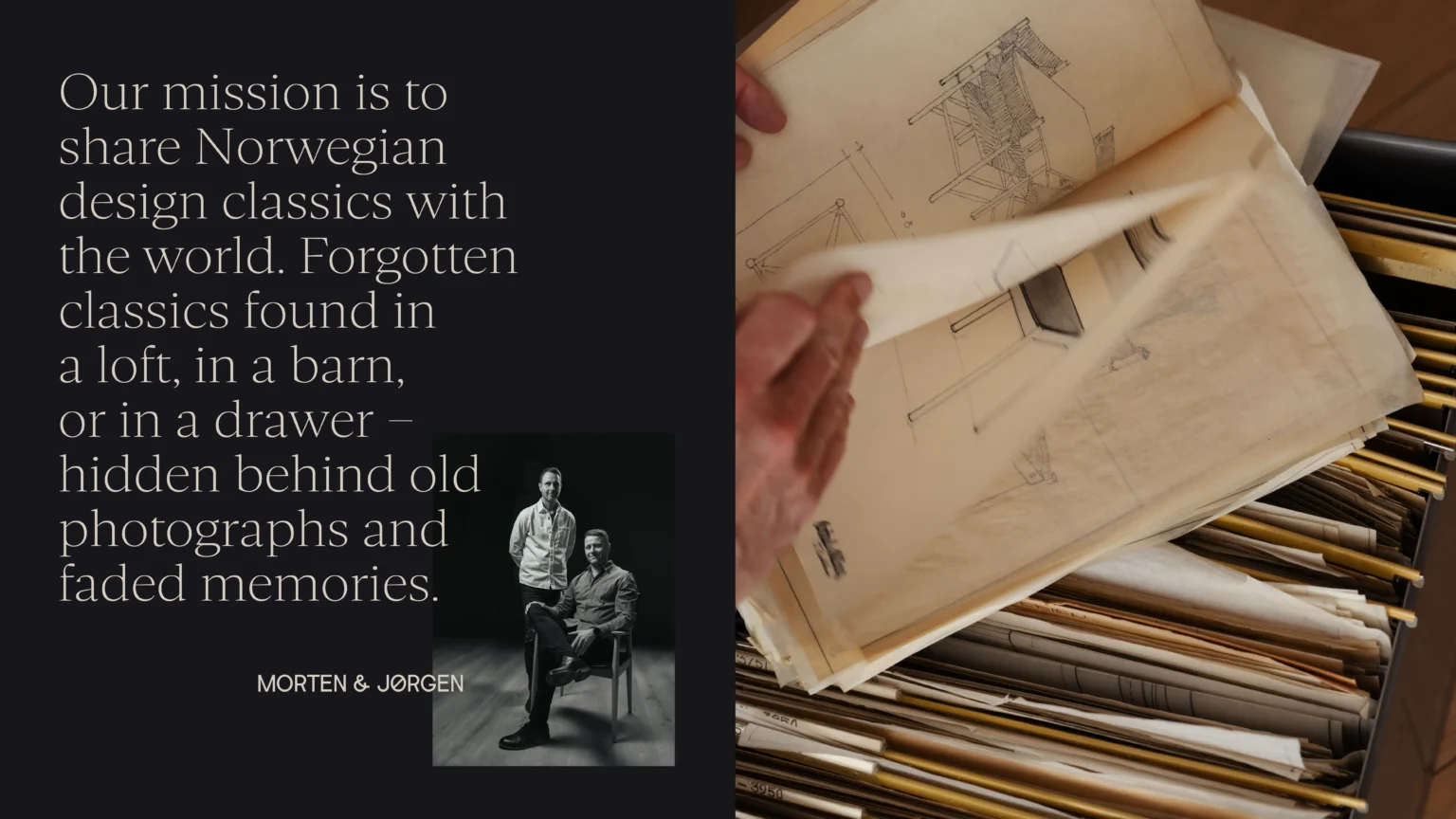
Founded in 2016, Eikund researched Norwegian furniture from the 1950s and 1960s through surviving drawings and designers' archives. Rather than placing those forms in a museum, the company returns them to production for use in contemporary interiors.

Eikund Veng armchair designed by Torbjörn Becken
Veng arm chair, 1960 · Design: Torbjørn Bekken · Photo: Eikund

What it means to revive a design

Remaking a classic involves the responsibility of conveying not only the form but also the story. When you know who made it, when it was made, and for what kind of lifestyle, the curves and materials of the chair gain meaning beyond decoration.

Returning to the rooms of today

Good furniture is made for more than photographs. It becomes part of a room by receiving the everyday movements of sitting down and standing up.

The most vital way to preserve something is to use it again.

FACT CHECK · Eikund Official Brand Story

PREFERRED · VOL.02
09 / LIVING WITH OBJECTSREAD THIS STORY ↗

The Rhythm of Living With Things That Last

Why a yacht, a blanket and a chair belong in the same issue.

Furniture and interior space by Eikund
Eikund interior · Photo: Eikund

One question connects these very different objects: do they become better through use?

The Marex 390 considers the time people spend together at sea. Røros Tweed brings warmth and texture to the places where they rest, while Eikund returns historic chair designs to daily use. Their scales and materials differ, but each finds its meaning in lived experience.

Made to be seen, made to be used

A form that catches the eye matters, but an object used often must also withstand the days that follow. Is it comfortable within reach? Can several people use it naturally? Lasting beauty cannot be separated from use.

How objects gather time

A blanket gathers the warmth of evenings at anchor, a chair gathers conversations, and a boat gathers memories of days spent away together. Choosing something for long use also means leaving room for the life still to come.

SOURCE · Marex · Røros Tweed · Eikund

PREFERRED · VOL.02
10 / PREFERRED SELECTIONREAD THIS STORY ↗

Five Details Worth Another Look

Five choices that connect Norway's coast with life at home.

This is not a ranking. Each selection reveals everyday time at a different scale.

01 / BOAT

Marex 390

A family cruiser that combines outdoor scenery and indoor comfort in one voyage.

02 / SPACE

Expandable Cockpit Table

It creates a moment when movement turns into a meal and a seat turns into a place for conversation.

03 / WOOL

Wool blanket by Røros Tweed

It turns the salon at anchor into a place where people can linger, even on a cold coast.

04 / TEXTURE

The feel of Norwegian wool

Adds a warm texture between teak, cream leather, and navy tones.

05 / FURNITURE

Classic furniture by Eikund

A place where Norwegian designs from the 1950s and 1960s can be used again today.

PREFERRED · VOL.02
PREFERRED LETTER

Be the first to read
our next issue.

We will email you when a new issue is published.

SUBSCRIBE →
MAREX 390 GUIDE

Five Ways to Read a Boat Made for Company

From cockpit seating to privacy in the cabins, these are five questions to consider when you step aboard.

READ THE DESIGN STORY ↗