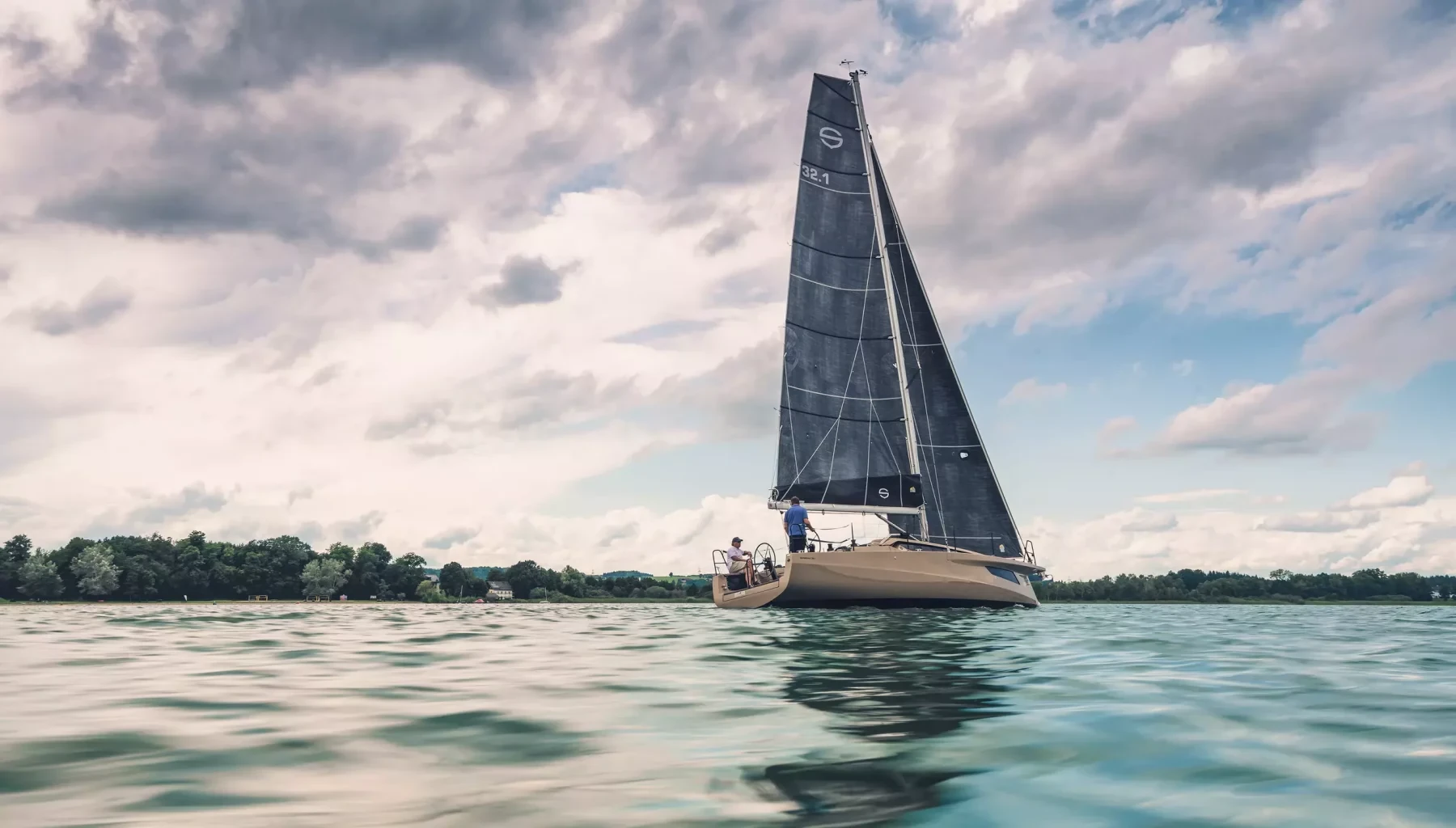
Powered by Engines, Powered by Wind
What two different forms of boating ask of us.
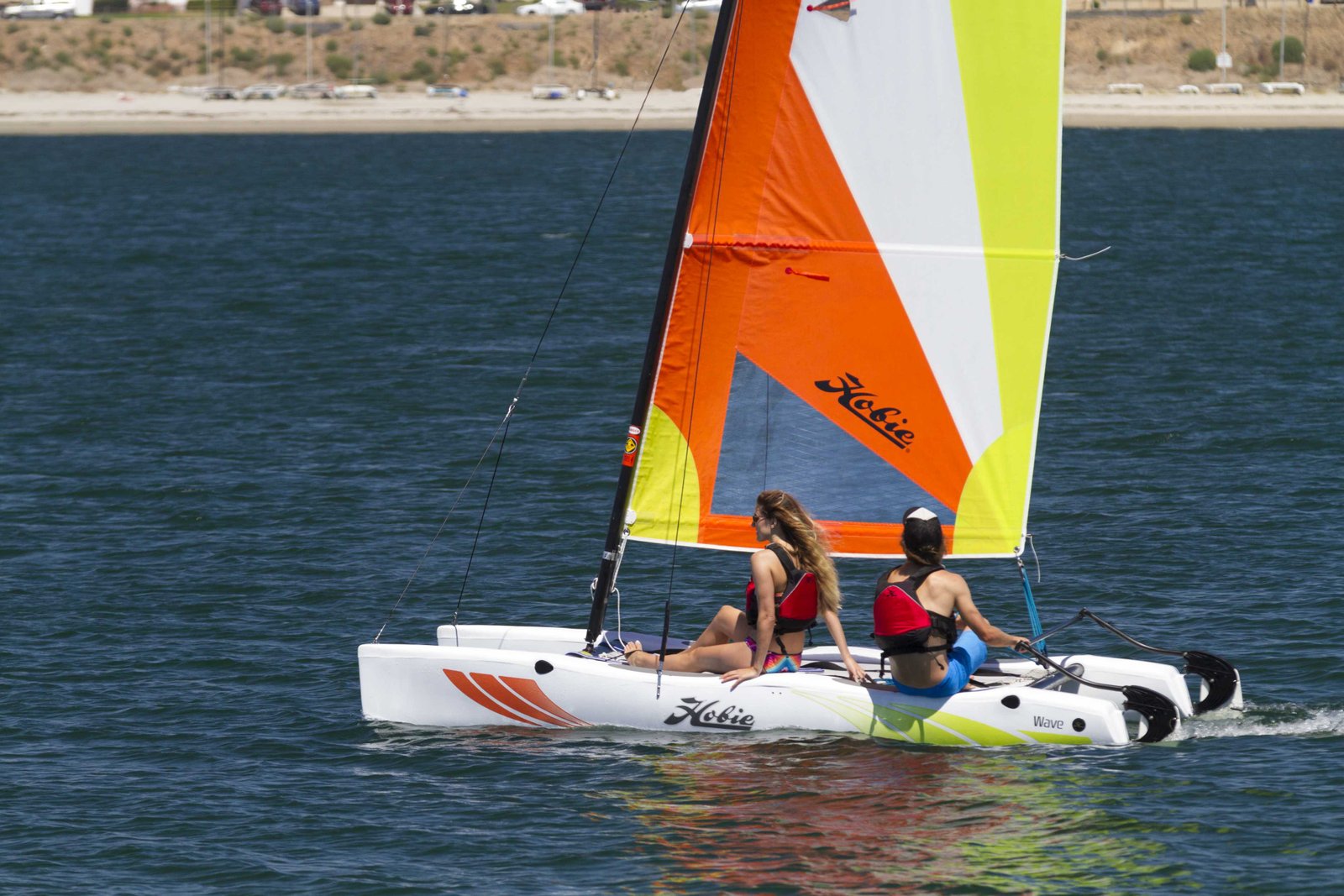
Powerboats and sailboats create different experiences on the same water. Neither replaces the other; their purposes and the way people participate are different.
| Powerboat | Hobie Wave | |
|---|---|---|
| Power | Engine and fuel | Wind and Sail |
| Key Strengths | Travel Distance and Mobility | Direct participation and awareness of conditions |
| Role of the passenger | Movement and Destination Experience | Control/Balance/Direction Setting |
| Primary Sense | Speed and Movement | Wind·Sail·Wave |
| Suitable scene | Long distance travel, fishing, cruising | Beach experience, education, family sailing |
A day when the destination is important
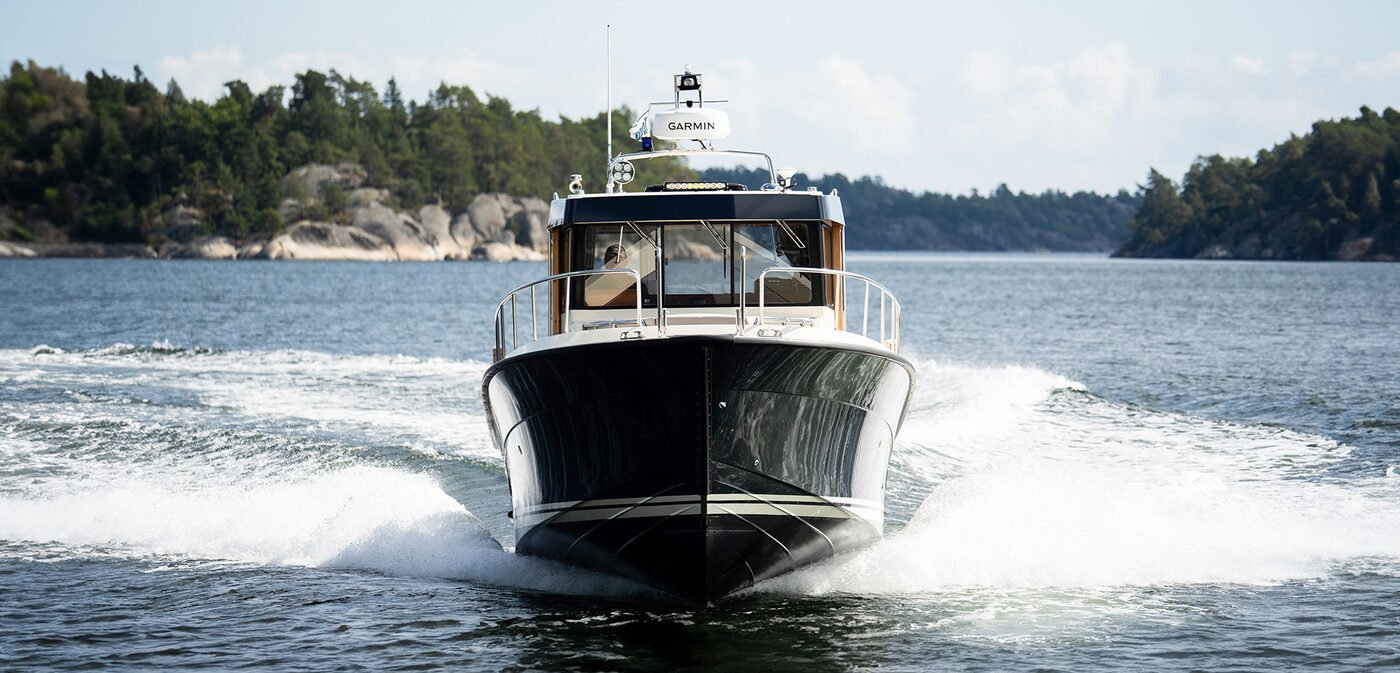
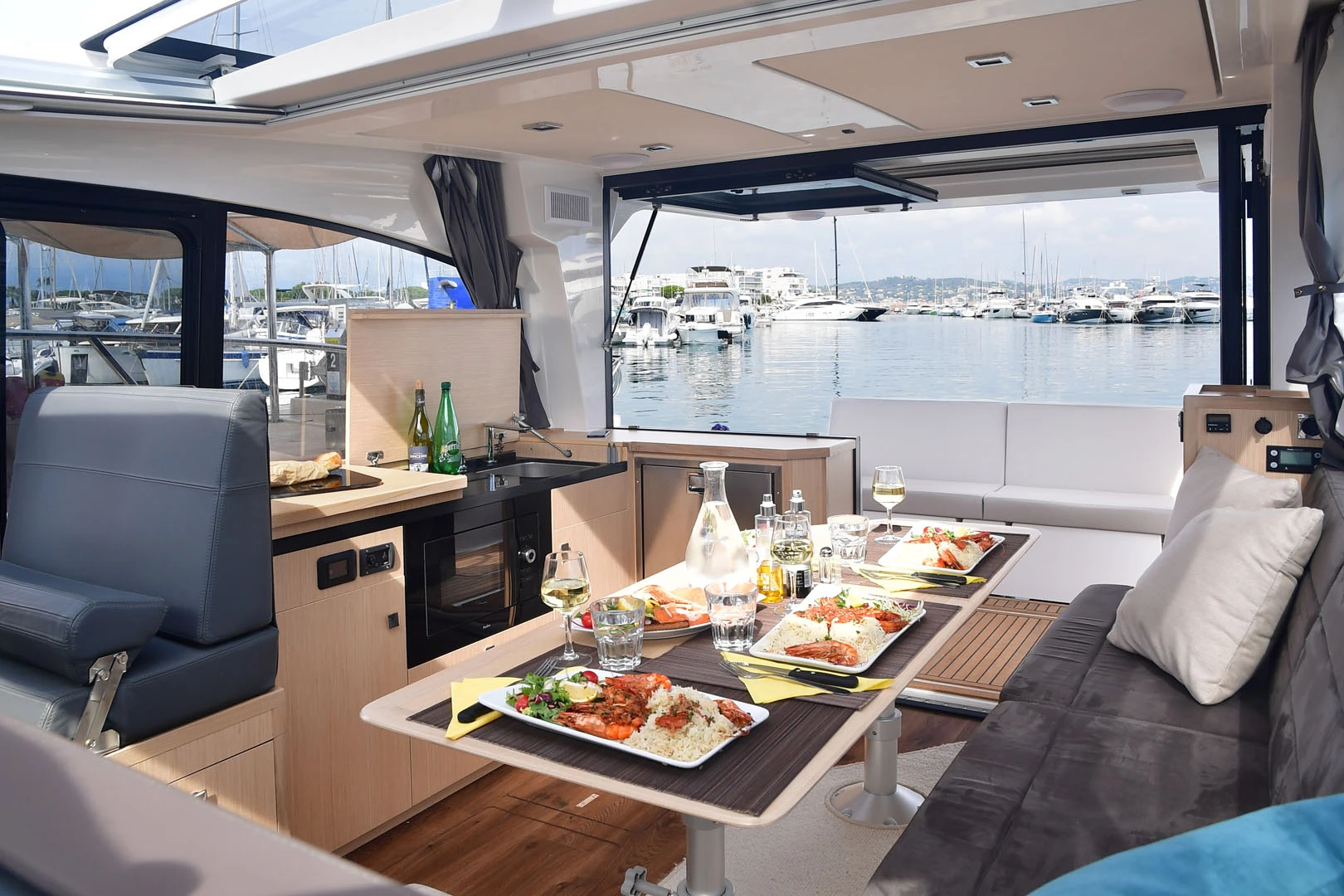
The maneuverability of a powerboat is a distinct advantage when traveling long distances within a given period of time or moving between fishing spots and multiple anchorages. Efficient operation suited to the weather and water area, appropriate speed, and regular engine maintenance are ways to use its advantages responsibly.
When the process becomes the purpose
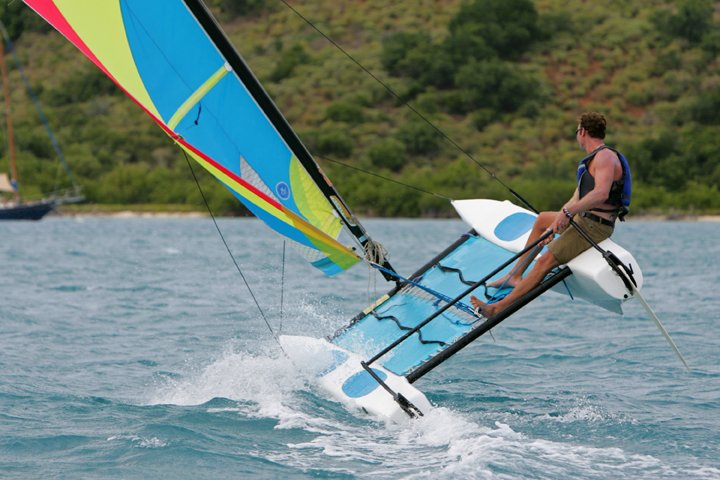
On a Wave, moving with the wind is the activity itself. The sailor holds the sheet, works the rudder and feels the boat respond immediately. The passage may remain in memory longer than the place reached at its end.
Different dynamics create different relationships, not just different speeds.
SOURCE · Hobie Wave Official Introduction