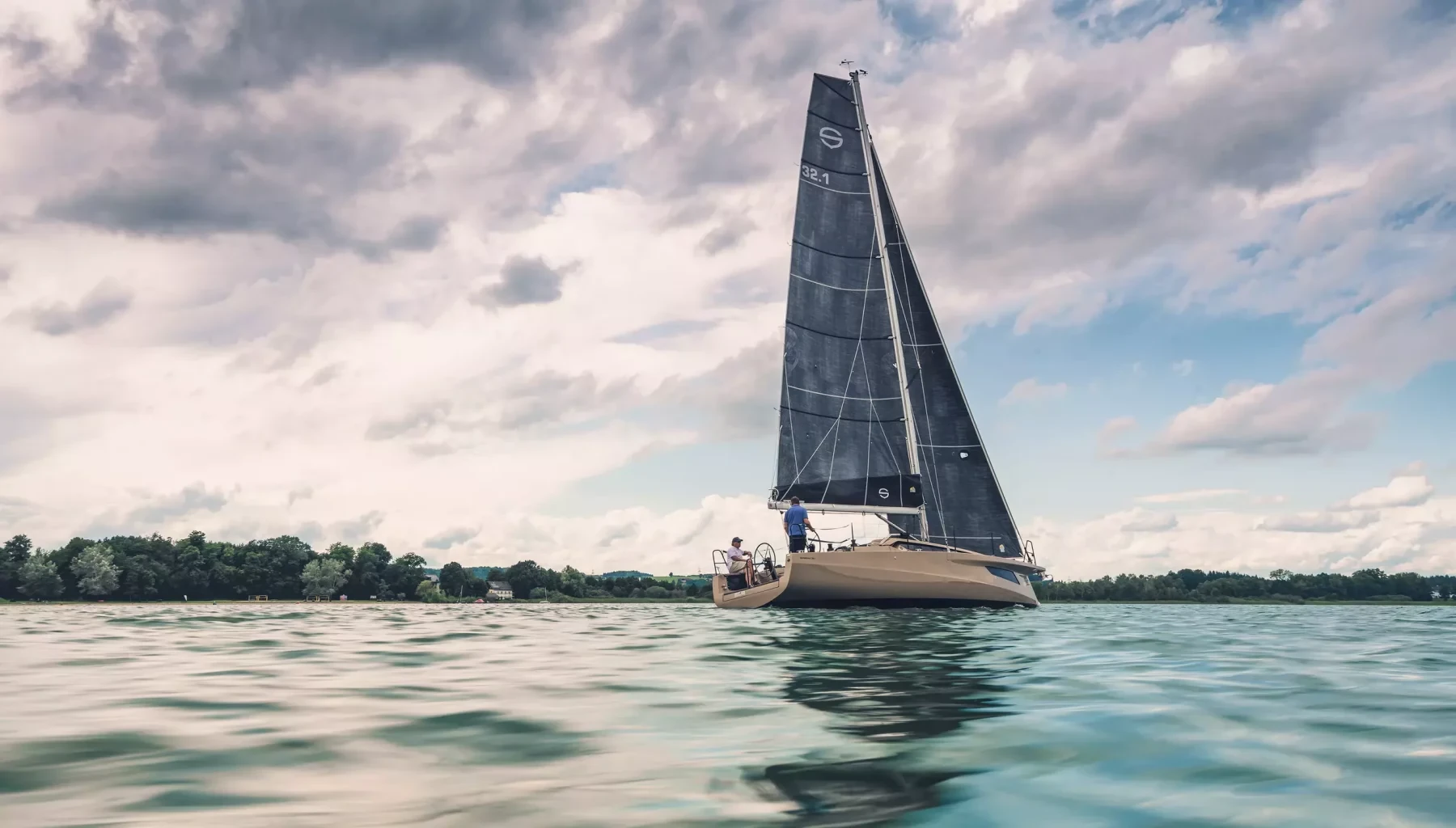
Gear That Lasts, More Time at Sea
Reading the use and care of a Hobie Wave through Patagonia's standards for durable products.
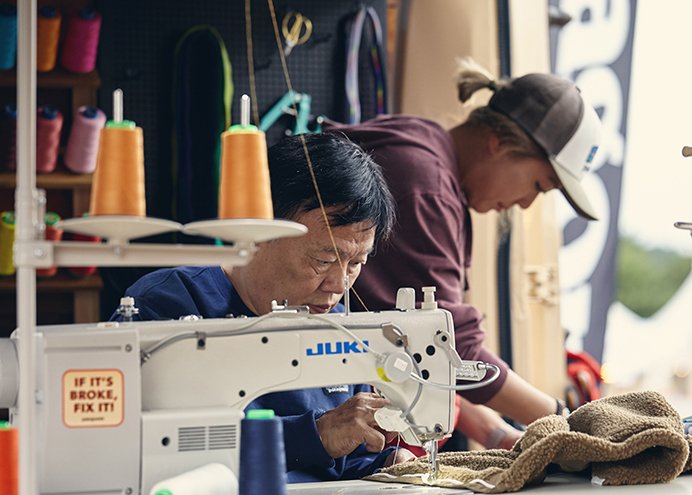
Good equipment does not replace nature. It helps us experience it for longer.
Patagonia and Hobie are separate companies with different environmental positions. Placing them side by side simply brings the period after purchase into view. Durability concerns how long something can serve; maintenance is the practice that makes that time possible.
Durability is a beginning
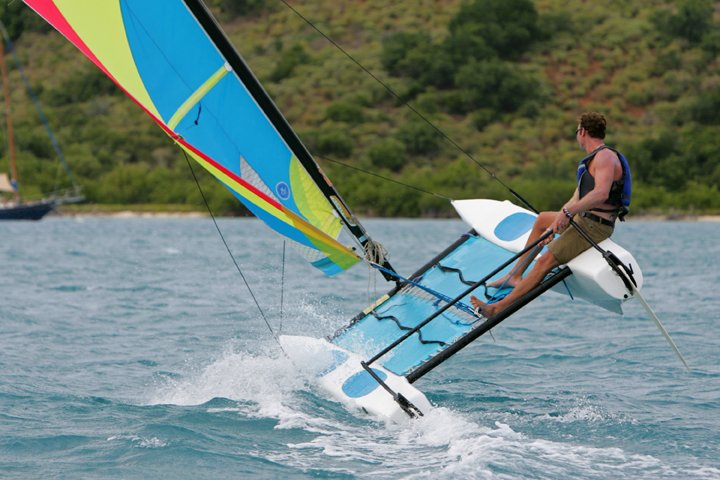
Hobie presents the Wave's rotomolded polyethylene hulls as durable, but even robust equipment remains exposed to salt, ultraviolet light, impact and abrasion. Rinsing with fresh water, inspecting the rigging and rudders, and replacing worn parts can extend its working life.
What fuel-free operation does and does not mean
Under sail, the Wave uses wind rather than an engine for propulsion, so the experience carries neither engine exhaust nor engine noise. Environmental effects still remain in hull production, transportation, storage, maintenance and disposal. 'Sailing without fuel while underway' is more accurate than calling any boat completely environmentally friendly.
A practice of care
The user is not merely the final customer, but the first person responsible for care. Inspect the equipment before departure, rinse and dry it after returning, and investigate and repair faults when they appear. These repeated acts help both gear and time at sea last longer.
Clean · Check for wear · Check for loose joints · Repair or replace necessary parts · Re-prepare safety equipment
SOURCE · Hobie Wave Official Introduction · Patagonia Core Values · Quality Is an Environmental Issue