Seven Things to Know Before Your First Sail
Basic safety and care before enjoying the wind.
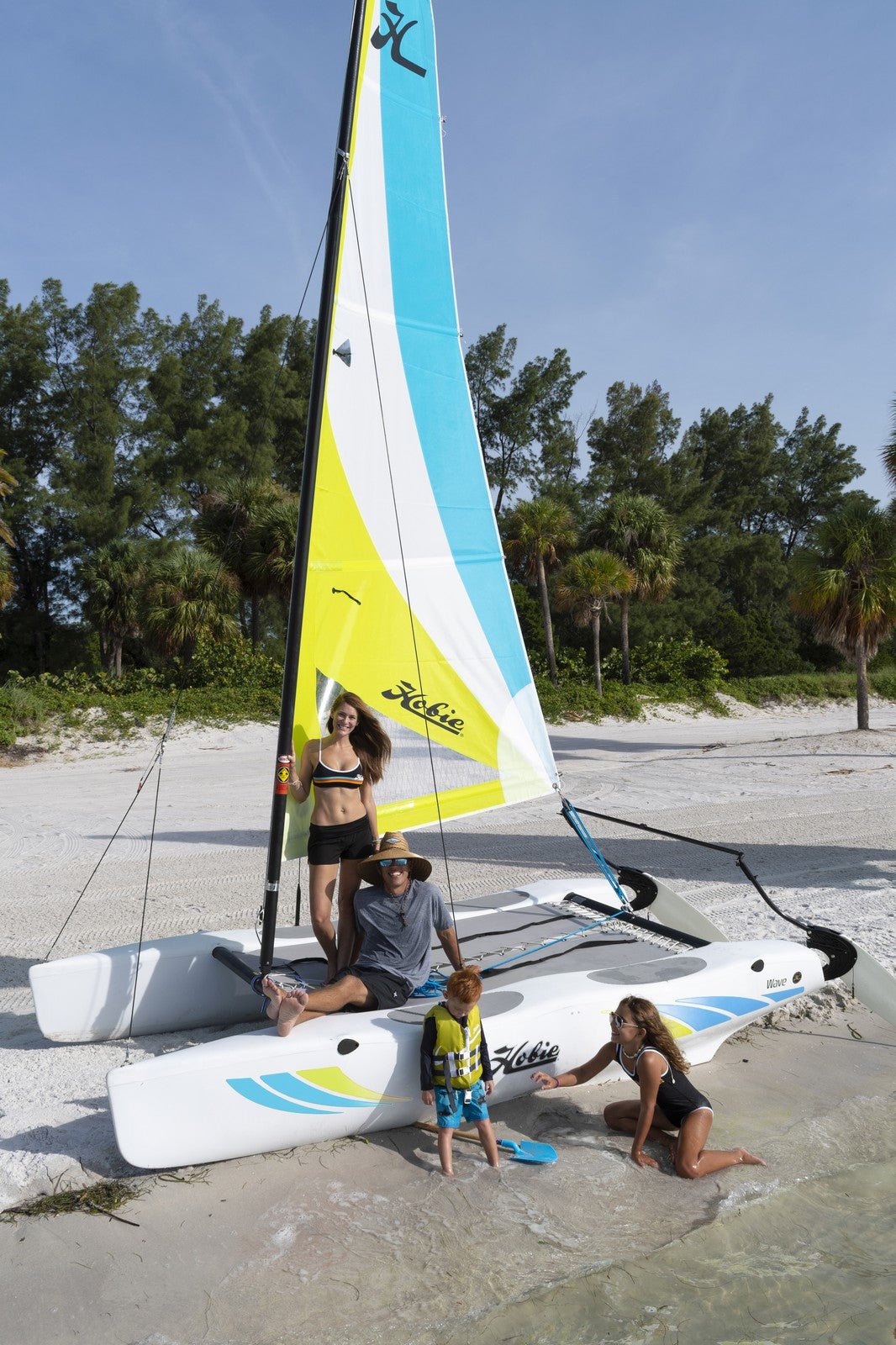
Sailing can look simple, but it takes place in changing wind and on open water. The goal of a first sail is not distance; it is a safe return.
1. A personal flotation device is essential
Regardless of swimming ability, wear a personal flotation device suited to your size and activity. Check one another's buckles and straps before launching.
2. Wind speed is only part of the forecast
Consider direction, possible gusts and changes expected after departure as well as average wind speed. Beginners should start in light, steady conditions.
3. Make the first sail with an experienced person
Do not try to learn rigging, departure, change of direction, and return to port on your own. Receive guidance from an instructor or an experienced person who knows the water area.
4. Understand the water before launching
Check the weather and currents, nearby vessels, shallow areas, prohibited areas, and return points. Directions from site operators and local regulations shall take precedence. Based on
5. Learn capsize recovery on shore
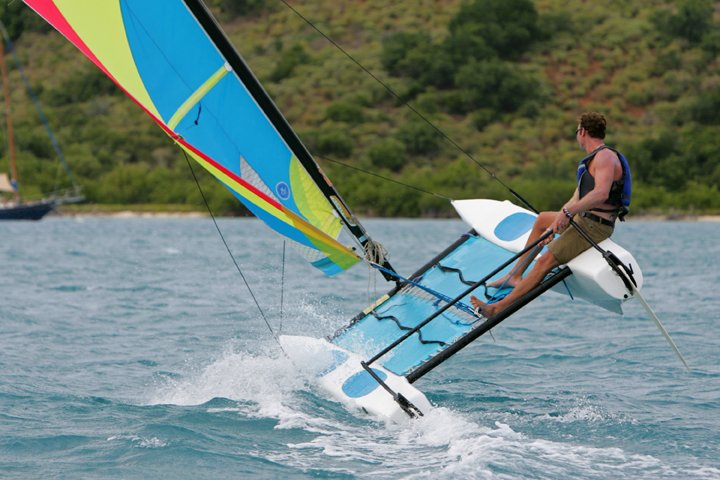
Treat capsize as a possibility and learn the response before launching. Know what to do after entering the water, how to reboard and how to call for help.
6. The next sail begins after returning
Wash off the salt with fresh water and dry the sails and lines. Inspect the rudder, joints, worn ropes and safety equipment in order.
7. Bring everything back with you
Do not leave behind packaging materials, beverage containers, or even broken pieces of rope. Small habits become the standard for a culture that uses the sea.
This article is a general introductory guide. During actual operations, training from on-site instructors, weather judgment, local water regulations and safety procedures must be followed.
SOURCE · Hobie Wave Official Introduction