Røros, Where Cold Changed the Materials of Daily Life
From the wooden streets of a mining town to a Norwegian wool blanket.
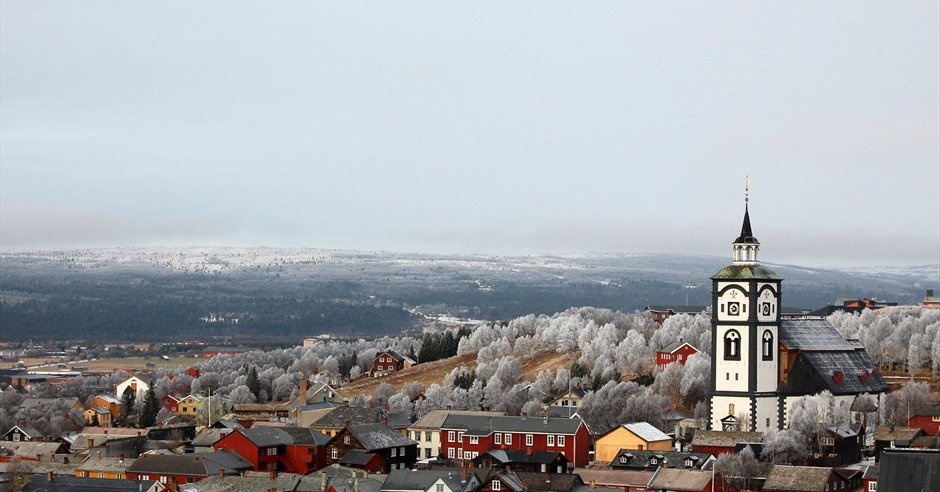
In a Røros winter, an object's first task is not to decorate a room but to help the body withstand the cold.
Set high in Norway's interior, Røros grew after copper ore was discovered nearby in 1644 and the first smelter was established in 1646. Mining continued for 333 years, until 1977. Around 2,000 wooden buildings remain, showing how work, farming and domestic life were sustained in a remote and demanding climate.
A town made by different kinds of work
To see Røros only as a picturesque winter town is to miss half its character. Miners, smelter workers, farmers and craftspeople shaped it together. Severe cold was not scenery; it was a condition that determined clothing, bedding and the materials kept close at home. Local wool and textile knowledge offered a practical response.

Weaving warmth
A bequest made by Peder Hiort in 1789 supported textile training and materials for children in need, helping sustain a local textile tradition. Founded in 1940, Røros Tweed continues to weave and finish Norwegian wool in the town. Its blankets do not literally illustrate mining history, but their material and purpose remain connected to a culture formed by cold.
Mountain cold, coastal wind
A wool blanket from Røros and the salon of a Marex 390 belong to different landscapes. They nevertheless answer the same question: what allows people to remain comfortable when the weather changes? In this issue, wool matters less as decoration than as a material that extends the time people can spend together.
A material is never fully explained once it is separated from the conditions of daily life.
FACT CHECK · UNESCO, Røros Mining Town · Røros Tweed official history · Visit Røros and Østerdalen