PREFERREDTHE JOURNAL / ISSUE ARCHIVE
PREFERREDVOL.01 / THE COURSE YOU CHOOSE
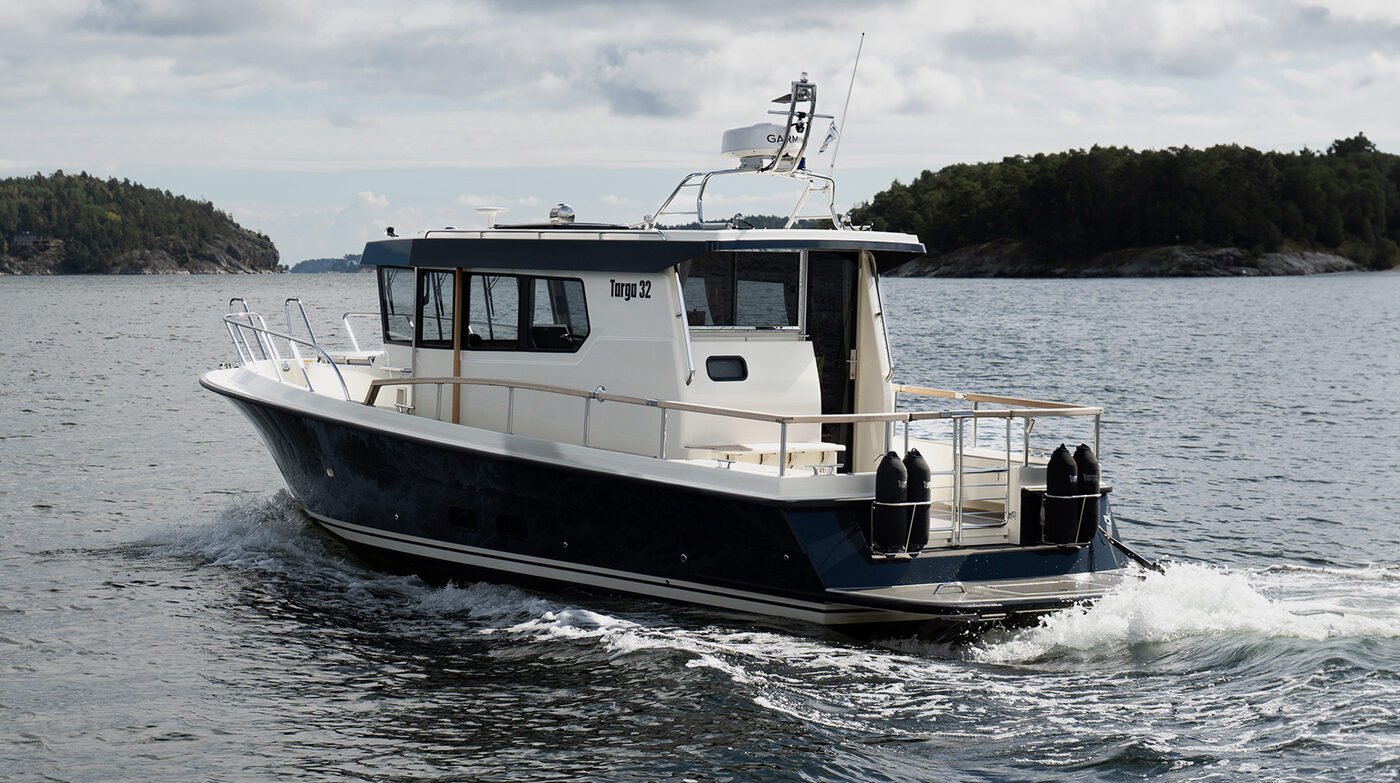
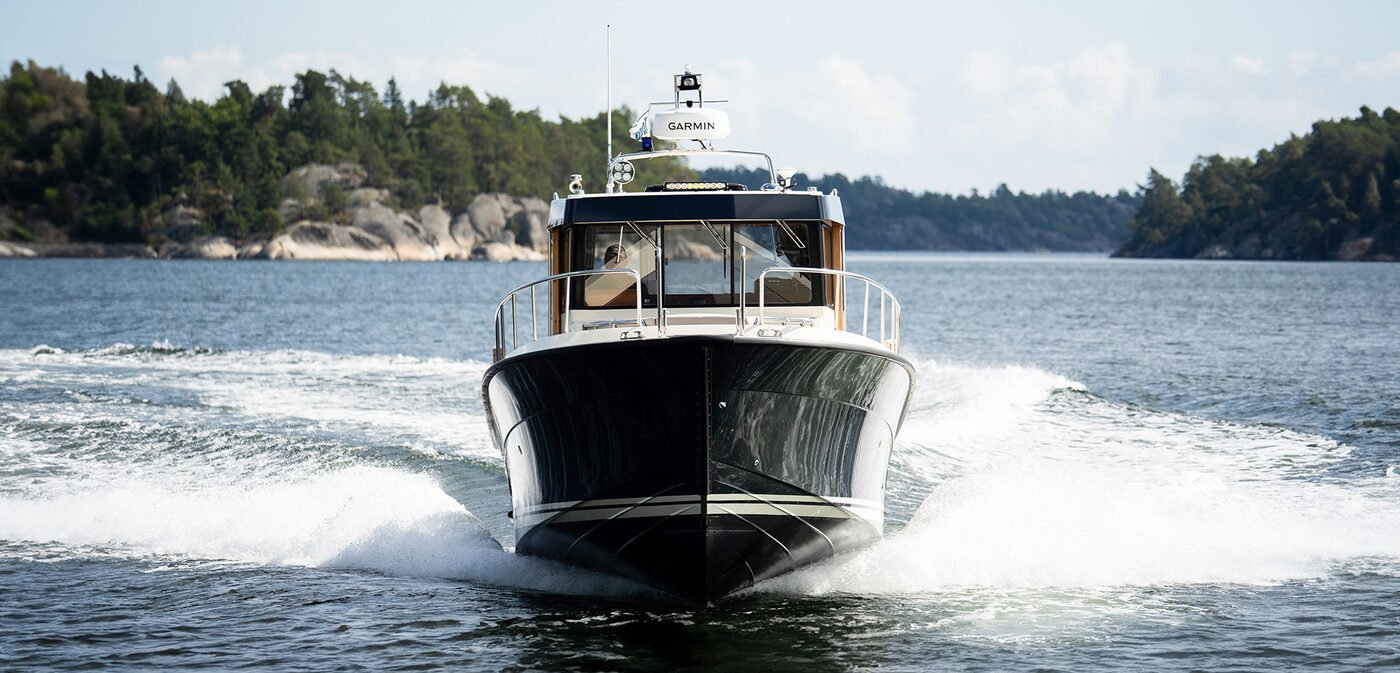
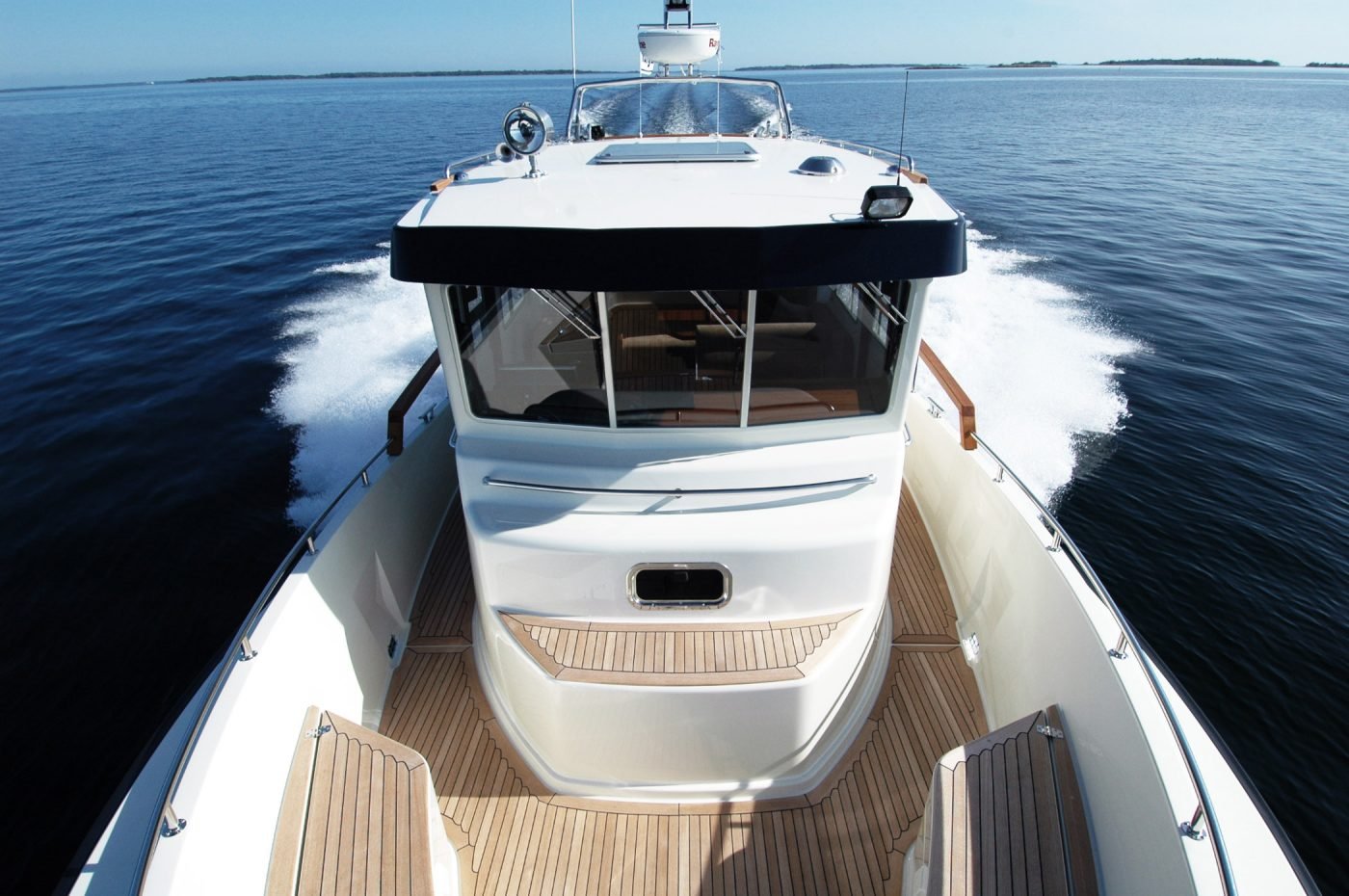
A real Targa 32 under way at sea
VOL.01 · 2026A JOURNAL OF THINGS WORTH CHOOSING

THE INAUGURAL ISSUE

THE COURSE
YOU CHOOSE

A course of one’s own

EXPLORE THE ISSUE ↓
Cover: Targa 32 · Photo: Targa / Botnia Marin
SEA · TIME · CHOICE

The course we choose shapes
how we spend our time.

CONTENTS

Stories in Vol.01

01 / EDITOR'S NOTEA Course of One’s Own↗02 / COVER STORYTHE COURSE YOU CHOOSE↗03 / TARGA FEATURETarga 32, A Working Boat for Rough Water↗04 / PERSONBUILT TOGETHER↗05 / PLACETHE COAST THAT KEEPS MOVING↗06 / CULTURETHE LAST LIGHTS OF SUMMER↗07 / BUYER'S GUIDESeven Questions Before Choosing a First Yacht↗08 / DESIGN STORYWhy Does a Good Boat Feel Different Inside?↗09 / CRAFT / NORTHHow Nordic Boats Meet Rough Water↗10 / FINNISH OBJECTSObjects for Direction and Time↗11 / PREFERRED SELECTIONFive Things Worth Another Look↗
01 / EDITOR'S NOTEREAD THIS STORY ↗

A Course of One’s Own

Our inaugural issue considers what makes a choice worth living with, through Finnish boats, coastlines and objects made to last.

The boats, compasses and glassware of Finland’s west coast each arose from a particular environment and a particular need. This issue begins with the practical reasons behind them.

Targa gives its crews the confidence to keep moving through rough weather. Suunto began with an instrument for finding direction. Iittala gave physical form to the ice and water of the north. These brands do not collaborate, but each began by observing its surroundings closely and making objects intended for long use.

A well-chosen object has an origin: the environment and people that shaped it, the moment that changed its history, and the principles that remain. PREFERRED looks for those reasons before turning to the specification sheet.

PREFERRED is not about what people own.
It is about why they chose it.
We look beyond possession to the reasons behind a choice.

PREFERRED EDITORIAL
PREFERRED · VOL.01
02 / COVER STORYREAD THIS STORY ↗

THE COURSE YOU CHOOSE

A course shaped by conditions, judgment and time.

Image for THE COURSE YOU CHOOSE
Targa 32 · Photo: Targa / Botnia Marin

On Finland’s west coast, shallow passages and quickly changing weather must be read together. The boat and tools you choose determine the kind of day you can spend there.

SEATIMECHOICECOURAGEENGINEERINGLEGACY

Targa builds boats that keep people moving and sightlines clear in poor weather. Suunto began with a compass designed to steady the needle. Iittala translated the appearance of ice and water into glass. The three companies have no collaborative relationship, but all three have paid close attention to the conditions of the north.

A good passage is not defined by distance.
It begins with knowing the direction and pace that suit you.

Vol.01 is less concerned with price or status than with the confidence that comes from choosing well. We follow a boat, a compass and Finnish glass back to the northern environments that shaped them.

PREFERRED · VOL.01
03 / TARGA FEATUREREAD THIS STORY ↗

Targa 32, A Working Boat for Rough Water

More revealing than the phrase ‘The 4x4 of the Sea’ is the way that idea becomes physical space.

Image for Targa 32, A Working Boat for Rough Water
Targa 32 aft-door configuration · Photo: Targa / Botnia Marin

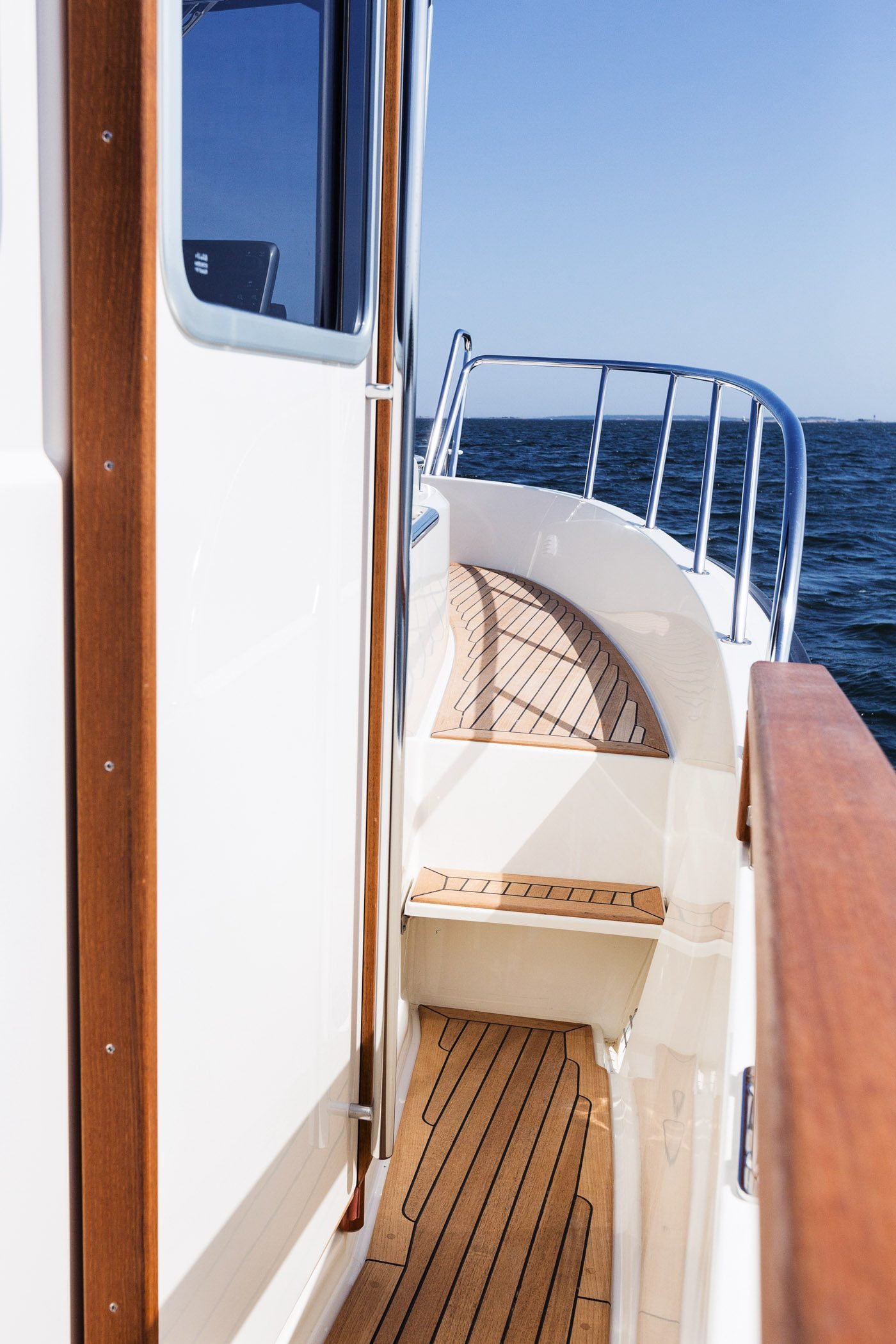
At the center of the Targa 32 is an enclosed wheelhouse that keeps out wind and spray, flanked by wide side decks. It is an arrangement made for maintaining visibility and moving around the deck where conditions change quickly.

The published dimensions are 10.78 meters in length and 3.37 meters in beam. Those figures alone say little about the boat’s character. More revealing are the way people can move around the wheelhouse, the three-person flybridge, and the cabin and propulsion options available for different patterns of use.

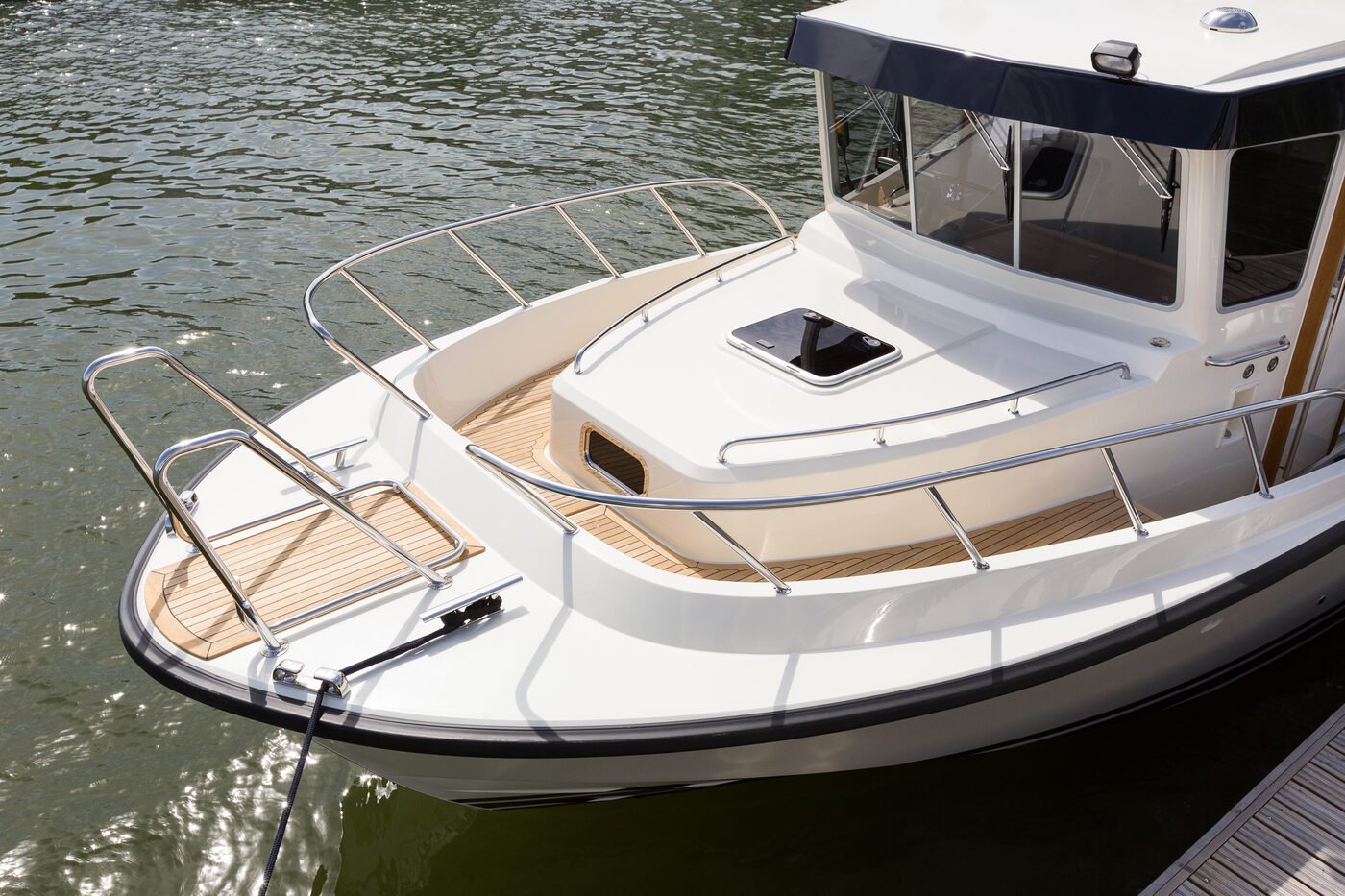
Targa 32 foredeck and safety rail
Foredeck · Photo: Targa / Botnia Marin

A wheelhouse against wind and spray

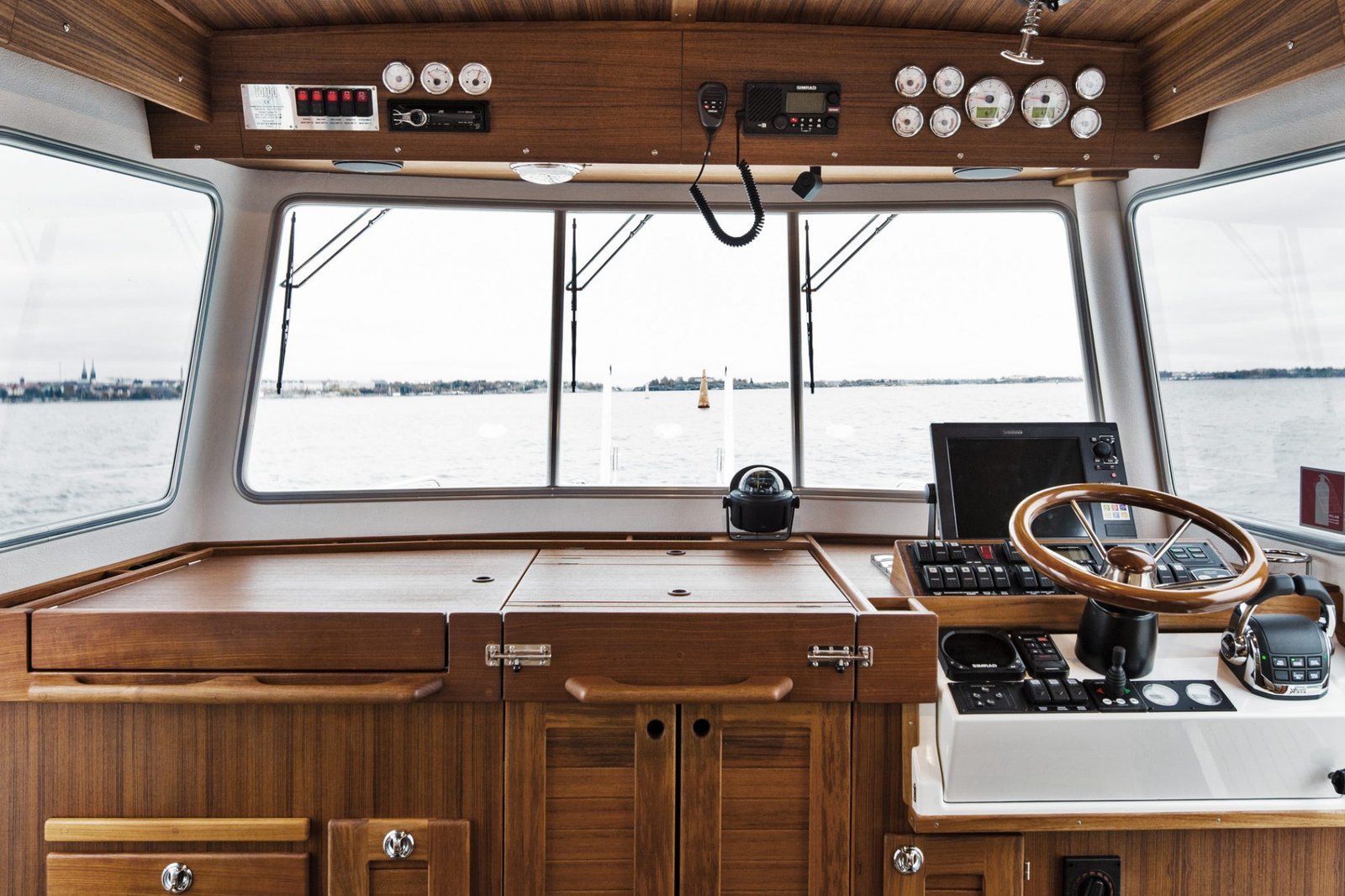
The enclosed helm extends the range of conditions in which the boat can be used. From inside, the helmsman can keep a clear view of the course, then step outside when the weather eases. It may feel more substantial than a boat designed around openness, but Targa’s first concern is dependable movement through changing weather.

Forward view and helm inside the Targa 32 wheelhouse
Wheelhouse and forward view · Photo: Targa / Botnia Marin

A layout without a single prescribed answer

The Comfort Fore Cabin broadens the ways in which the forward cabin can be used, with several berth layouts offered by the builder. The boat can also be configured with an aft door or outboard engines to suit its intended use. Even under one model name, its character can change to fit the crew and their cruising habits.

How to read the speed figure

The official top-speed range of 34–49 knots reflects engine options from 400 to 880 horsepower. It does not mean every boat will always reach those speeds. Load, sea state, engine choice and equipment all affect actual performance. A buyer should look beyond the maximum and consider noise, fuel use and ride quality at the speed they expect to cruise.

LOA10.78 m
BEAM3.37 m
TOP SPEED34–49 kt*
STANDARDFlybridge

* Official range by engine configuration. Actual performance varies with conditions.

FACT CHECK · Official Targa 32 specifications and configurations

PREFERRED · VOL.01
04 / PERSONREAD THIS STORY ↗

BUILT TOGETHER

Johan and Britt-Marie Carpelan accepted the sea as it was.

Botnia Marin founders Johan and Britt-Marie Carpelan
Johan & Britt-Marie Carpelan · Photo: Targa / Botnia Marin

In 1976, Johan and Britt-Marie Carpelan started a small boat company in Malax on Finland’s west coast. Close to the workshop lay an archipelago of shallow passages and frequent changes in weather.

1976 / MALAXTHE SEA
AS IT IS

Here, the weather turns quickly, channels are shallow and the limits of the season are clear. A boat could not be designed solely for fair-weather leisure. Visibility, freedom of movement, shelter at the helm and dependable controls and handholds had to come first.

Targa’s form grew from those conditions. It accepts the sea as it is and adds practical answers one by one, rather than treating the water as an idealised backdrop.

A good boat does not dramatise the sea.
It helps people make calm decisions upon it.
2025 / AMSTERDAMWE BUILT
THIS TOGETHER

In 2025, the couple jointly received a Lifetime Achievement Award at the Boat Builder Awards. Johan thanked colleagues, dealers and customers, then called Britt-Marie his partner in life and work. “We built this together” is a concise account of a lifetime spent building a family company.

A new generation of the Carpelan family now works at Botnia Marin. More important than the founder’s name is the way a standard of judgment passes from one generation to the next. Public sources do not describe Britt-Marie’s individual responsibilities in enough detail, so we have not inferred them. PREFERRED hopes to document that part of the story through a future interview or the company archive.

FACT CHECK & IMAGE · Targa — The Pioneer · Targa — 2025 Lifetime Achievement Award

PREFERRED · VOL.01
05 / PLACEREAD THIS STORY ↗

THE COAST THAT KEEPS MOVING

Kvarken and Svedjehamn, where the shoreline changes a little every year.

Björkö Eagle’s Nest Cottage B near Svedjehamn harbor
Björkö Eagle’s Nest Cottage B · Photo: Visit Finland DataHub / Eagles Nest Cottages
Selected independently by PREFERRED.

A map of Kvarken is never final. The sea is shallow, and land freed from the weight of Ice Age glaciers continues to rise.

UNESCO describes an archipelago of around 5,600 islands and islets, with land that has risen at roughly 0.9 meters per century over the past 10,500 years. Islands join and bays become lakes: geological time remains visible within a human lifetime.

5,600ISLANDS & ISLETS
0.9 mUPLIFT / CENTURY
< 10 mMEAN SEA DEPTH

Svedjehamn, a working life by the water

Svedjehamn, at the edge of Björkö island, was not built as a visitor attraction. Storehouses once used for salted fish, village roads, a small boat museum and nature trails still sit side by side. A boat leaving the harbor immediately encounters the character of these waters: low islands, exposed rock and narrow passages.

VERIFIED STAY

Björkö Eagle’s Nest Cottage B

A practical base for a couple or small family traveling from Korea, close to Svedjehamn harbor and about 38 kilometers from Vaasa. Official tourism information confirms that it accommodates two to four guests and operates year-round, with a private bathroom and shower, a kitchenette and parking. Sauna access is available on request, and canoes can be rented.

  • Official English-language tourism information and direct booking with the operator
  • Private bathroom, shower and kitchenette
  • Easy access to the harbor and local boating waters
  • Private parking suitable for a rental car
Check current availability with the operator ↗Confirm dates, rates and booking conditions directly on the operator’s website.

FACT CHECK & IMAGE · UNESCO — High Coast / Kvarken Archipelago · Visit Finland — Eagle’s Nest Cottage B · Visit Björkö & Svedjehamn

PREFERRED · VOL.01
06 / CULTUREREAD THIS STORY ↗

THE LAST LIGHTS OF SUMMER

Venetsialaiset, the night that closes the season by the sea.

Lights of Venetsialaiset on the coast of Kokkola, Finland
Venetsialaiset on the Kokkola coast · Photo: Joni Virtanen / City of Kokkola

On Finland’s west coast, the end of summer is marked by the water. On the last Saturday of August, lanterns and bonfires appear along the shore and beside summer cottages.

Kokkola’s Venetsialaiset closes the boating and cottage season with water, fire and light. City records trace bonfires and paper lanterns on the Sandstrand shore to the late nineteenth century. The date matters less than the return of evenings dark enough for those lights to be reflected on the water.

THE LAST SATURDAY
OF AUGUST
WHEN DARKNESS
RETURNS

Darkness, almost absent at midsummer, returns to the coast. Lanterns and bonfires mark the close of one season and create a quiet ritual of transition.

The season ends without ceremony.
Lights appear by the water, and summer is allowed to pass.

The life that came before the festival

Venetsialaiset now includes city events and performances, but PREFERRED looks to the custom that came first: families and neighbors gathering by the water before boats are laid up and cottages closed for the season. Maritime culture is expressed not only in setting out, but also in knowing how to bring a season to a close.

The custom does not try to prolong summer. It welcomes the returning darkness as a community. Putting the boat away and lighting the shore are two parts of the same boating season.

FACT CHECK & IMAGE · City of Kokkola — Venetian Night Festival

PREFERRED · VOL.01
07 / BUYER'S GUIDEREAD THIS STORY ↗

Seven Questions Before Choosing a First Yacht

Questions that should come before the model name.

Before comparing models, write down who will be aboard, where the boat will leave from, how it will be kept and what the full budget allows. Clear conditions narrow the search to the boats you actually need.

1. Who will join you, and how often?

A short solo trip calls for a different layout from a family day on the water. Plan around the crew size and kind of outing you expect most often.

2. Where will you depart from?

Distance to the marina, available berth dimensions and typical sea conditions all change the choice. Confirm the berth and real cruising area before deciding on boat size.

3. Will you spend the day, or the night?

Sleeping accommodation is appealing, but it adds equipment to maintain. If overnight use will be rare, generous outdoor working space may offer more value.

4. Who will handle the boat?

Helming experience, family participation and access to help all matter. A sea trial should always include slow-speed manoeuvring and berthing.

5. Do you understand the cost after purchase?

Build an annual budget that includes berthing, insurance, routine service, consumables, winter storage and transport as well as the purchase price. Actual quotations are essential because costs vary by model and region.

6. Which part of the day matters most?

Decide whether fishing, swimming, cruising, meals or rest comes first. A boat that excels at your main activity will usually serve you longer than one that is merely adequate at everything.

7. What will you observe on the sea trial?

Look past the sales photographs and pay attention to visibility, movement, noise, vibration and your passengers’ reactions. Do not judge the boat only in calm water; consider how it will feel in the conditions and on the routes where you expect to use it.

FIRST YACHT CHECK

Crew · Route · Berth · Helming experience · Annual budget · Primary activity · Sea-trial notes. These seven lines come before the first quotation.

PREFERRED · VOL.01
08 / DESIGN STORYREAD THIS STORY ↗

Why Does a Good Boat Feel Different Inside?

How people move through a boat matters more than floor area alone.

Image for Why Does a Good Boat Feel Different Inside?
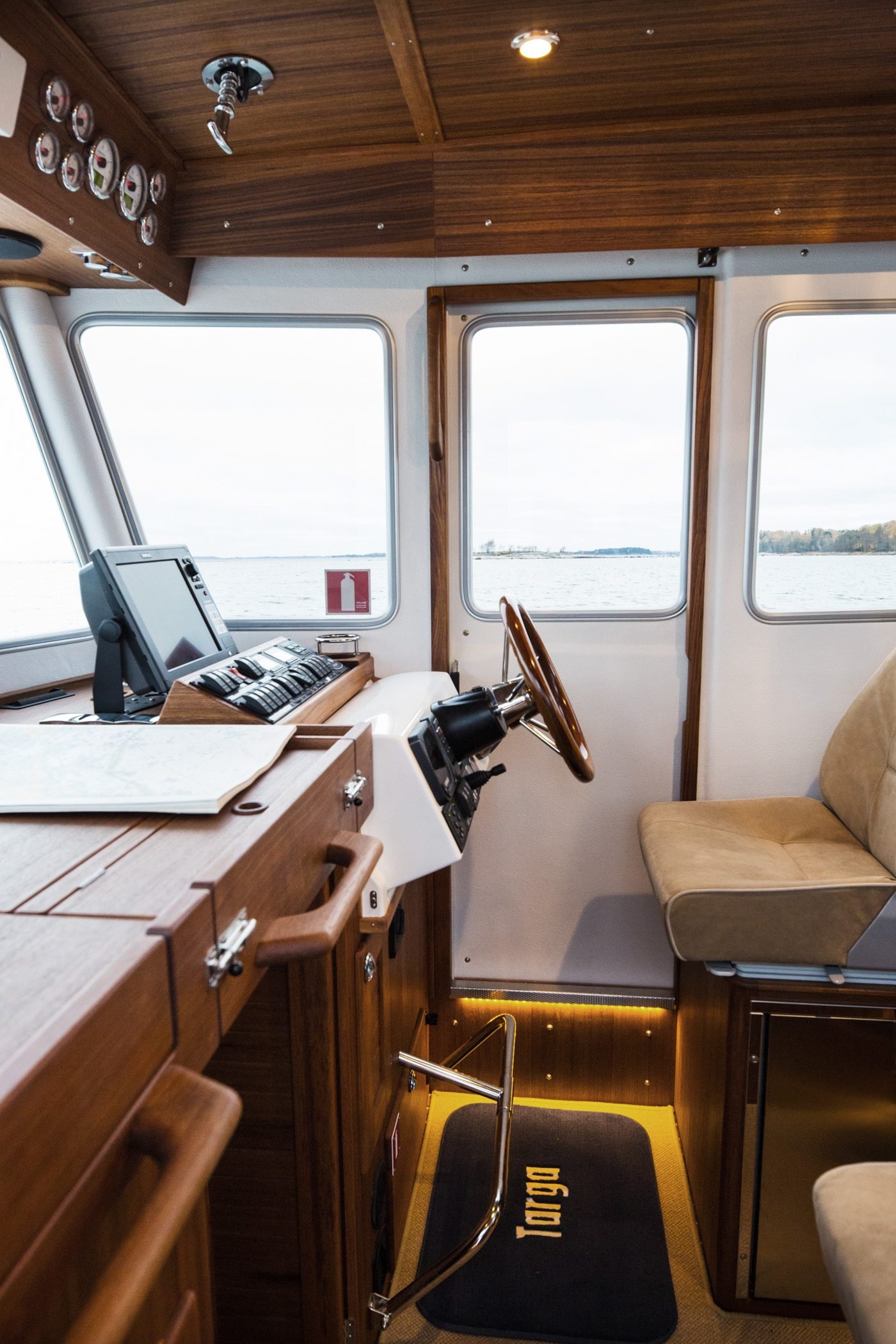
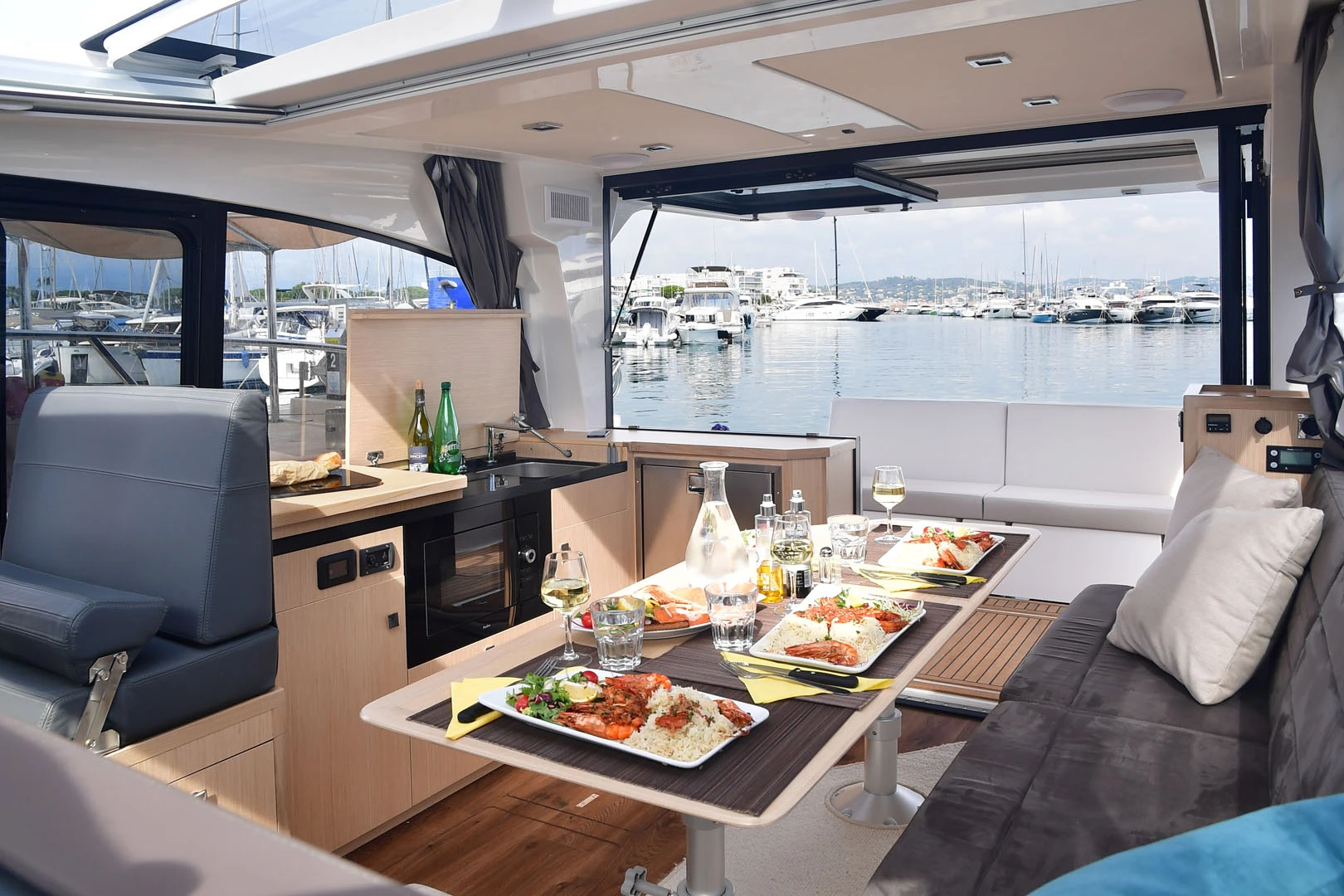
Targa 32 interior · Photo: Targa / Botnia Marin

Two boats of the same length can feel very different inside. The difference lies less in floor area than in circulation and sightlines.

Before departure, bags come aboard, shoes are stowed and mooring lines are handled. Under way, people sit, stand and move between inside and out. At anchor, wet towels need a place and a meal has to be prepared. When the layout supports this sequence, people can move naturally without constantly adjusting to the boat.

Visibility is the most valuable open space

Large windows alone do not create a good view. Eye levels while seated and standing, the corners of the hull visible from the helm, and blind spots formed by frames must be considered together. The view of the sea shapes both safety and rest.

Furniture that helps a space change

The flexibility of a space becomes clear when a table turns into a worktop or a seat into a berth. A good conversion should make sense without a manual. It keeps the passage clear and reduces the need to move and stack belongings elsewhere.

Quality within reach

The position of a handhold, a place for wet clothing, the direction in which a door opens and the first step of a stair are easy to miss in photographs. In a seaway, these small decisions shape the quality of the entire interior. That is why a boat needs to be experienced in use.

A boat’s space should be read through the movement of a person, not only through its plan.
PREFERRED · VOL.01
09 / CRAFT / NORTHREAD THIS STORY ↗

How Nordic Boats Meet Rough Water

An ethic of utility developed where weather cannot be avoided.

Image for How Nordic Boats Meet Rough Water
Targa 32 side deck · Photo: Targa / Botnia Marin

Nordic boats often appear restrained. That restraint feels less like the removal of decoration than evidence of long thought about what deserves to remain.

Short summers and fast-changing weather put clear questions to a boat. Where will you move when the wind shifts? What will you hold when the deck is wet? Can you step into the wheelhouse and still read the sea? These conditions of use belong in any understanding of Nordic boat culture.

Function is the beginning of form

High rails, generous passageways and interiors that remain connected to the sea while offering shelter from the weather often take precedence over a refined silhouette. Practical boats therefore ask to be judged by a different measure of beauty. When form makes purpose visible, it often rewards a longer look.

The time of the maker

Botnia Marin, builder of Targa, began in 1976 and marked its fiftieth year in 2026. The company states that its boats are still built in Malax and Nykarleby, Finland. This fact does not guarantee every aspect of quality, but the way regional experience accumulates across generations deserves attention.

How we read utility

To understand a brand’s principles, look past its advertising to the places hands reach most often: drains, hatches, service access, and the work required to launch again after winter. A boat built for long use serves not only the impressive first day, but the ordinary hundredth.

FACT CHECK · Botnia Marin official 50th-anniversary announcement

PREFERRED · VOL.01
10 / FINNISH OBJECTSREAD THIS STORY ↗

Objects for Direction and Time

SUUNTO × IITTALA — How northern conditions endure in function and form.

Suunto’s liquid-filled compass began with an effort to steady a moving needle. Iittala glass carries traces of the way its designers observed ice and water.

Suunto and Iittala do not have a collaborative relationship. PREFERRED brings their objects together through an editorial view of departure and return. One helps its user find a direction; the other gives form to time spent after returning.

CHAPTER 01 / 1936A STEADIER NEEDLE

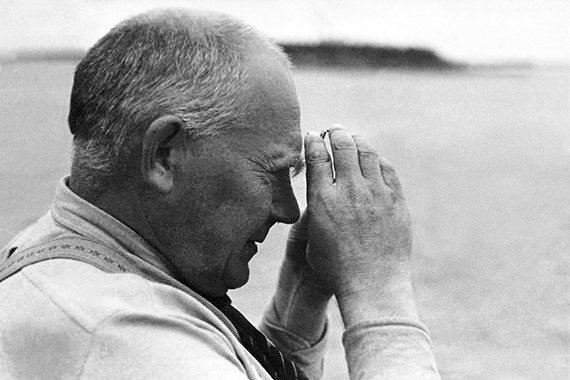
Surveyor Tuomas Vohlonen spent years trying to stabilise the easily disturbed needle of a conventional dry compass. In 1936, his method for allowing a needle to move steadily inside a liquid-filled capsule became the foundation of Suunto.

A compass does more than point north. When visibility fades and familiar ground disappears, it provides a steady point of reference.

Early archival image of a Suunto compass from 1936
The beginning of Suunto, 1936 · Image: Suunto Heritage
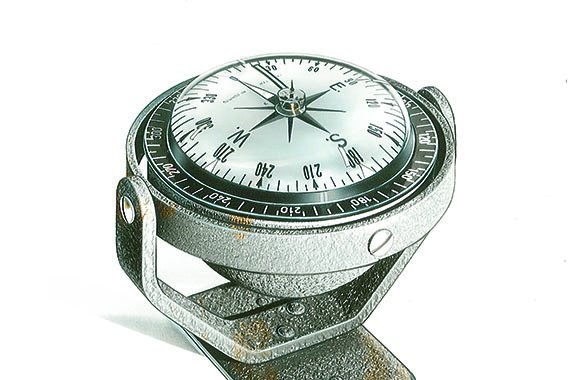
Suunto K-12 marine compass introduced in 1953
Suunto K-12 marine compass, 1953 · Image: Suunto Heritage
CHAPTER 02 / 1953A COMPASS FOR THE WATER

The K-12, introduced in 1953, was Suunto’s first marine compass. A small instrument for finding the way moved from forest and snow onto the water. Even as marine equipment becomes digital, this history matters. Technology changes form, while the purpose of giving a steady reference in a moving environment remains.

CHAPTER 03 / NOWFROM COMPASS
TO OCEAN

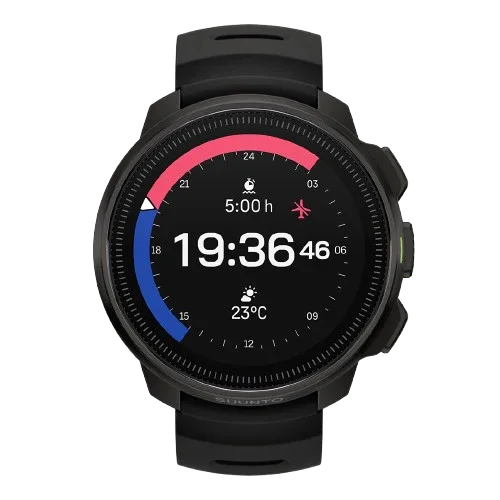
Suunto Ocean combines the functions of a dive computer and a sports watch. Its gyro-calibrated digital compass, bearing tracking, route navigation and offline maps show how the compass’s role has expanded through screens and sensors.

We do not present it as a dedicated sailing watch or a replacement for marine navigation equipment. It is a personal instrument that records activity in water and on land while helping its wearer stay oriented on an unfamiliar route.

Black Suunto Ocean dive computer and sports watch
Suunto Ocean All Black · Image: Suunto
Selected independently by PREFERRED.
Technology changes, but a good tool still serves the same purpose:
it provides a reliable point of reference when conditions grow uncertain.
CHAPTER 04 / 1968ICE INTO GLASS

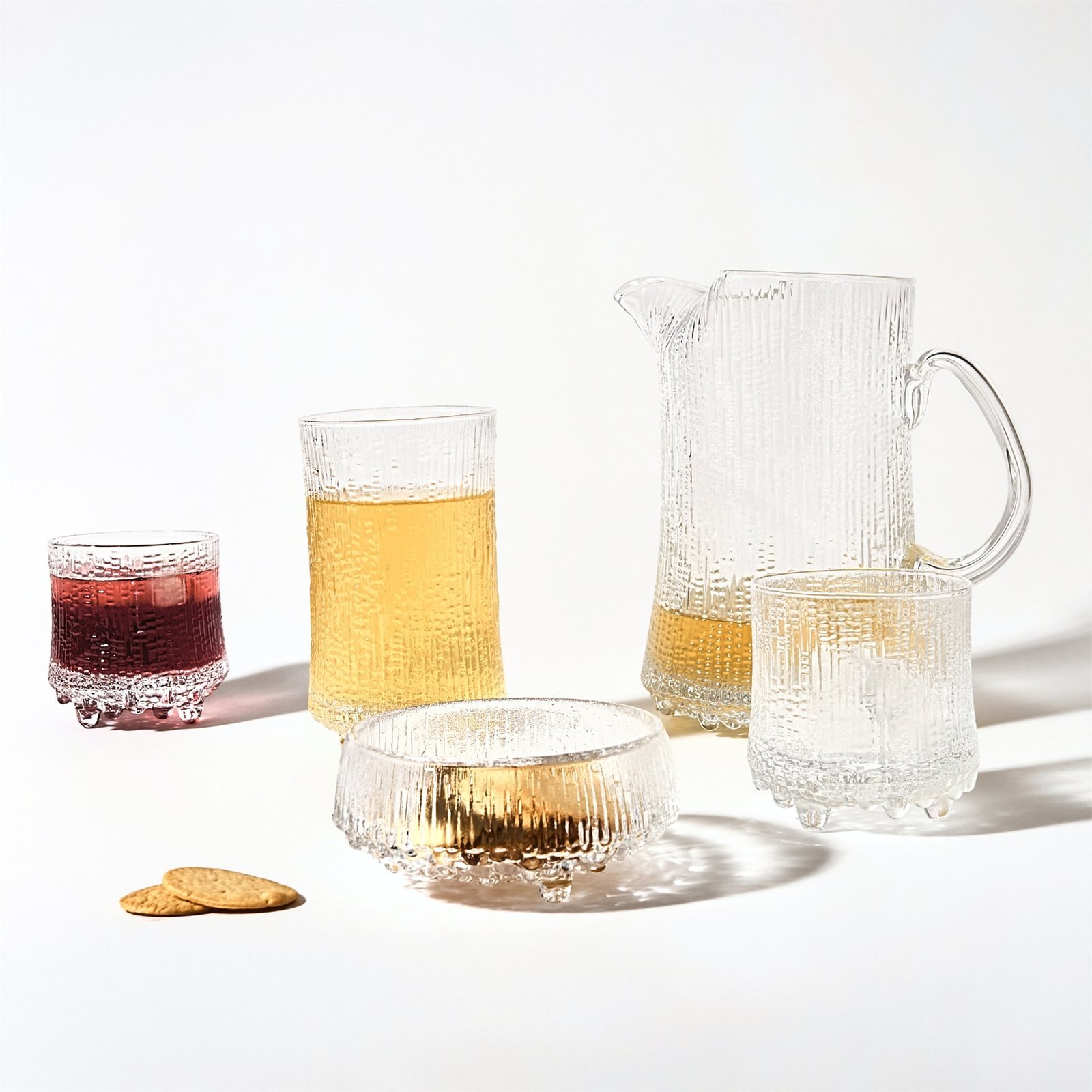
Tapio Wirkkala designed Ultima Thule to evoke melting Lapland ice in the surface of the glass. Iittala says he spent around one thousand hours refining the molds and glassblowing technique. Rather than applying a pattern to the finished object, he made the production process itself leave the trace of ice.

Iittala Ultima Thule glassware with an ice-like textured surface
Ultima Thule, Tapio Wirkkala, 1968 · Image: Iittala
Selected independently by PREFERRED.
CHAPTER 05THREE FORMS
THAT REMAIN

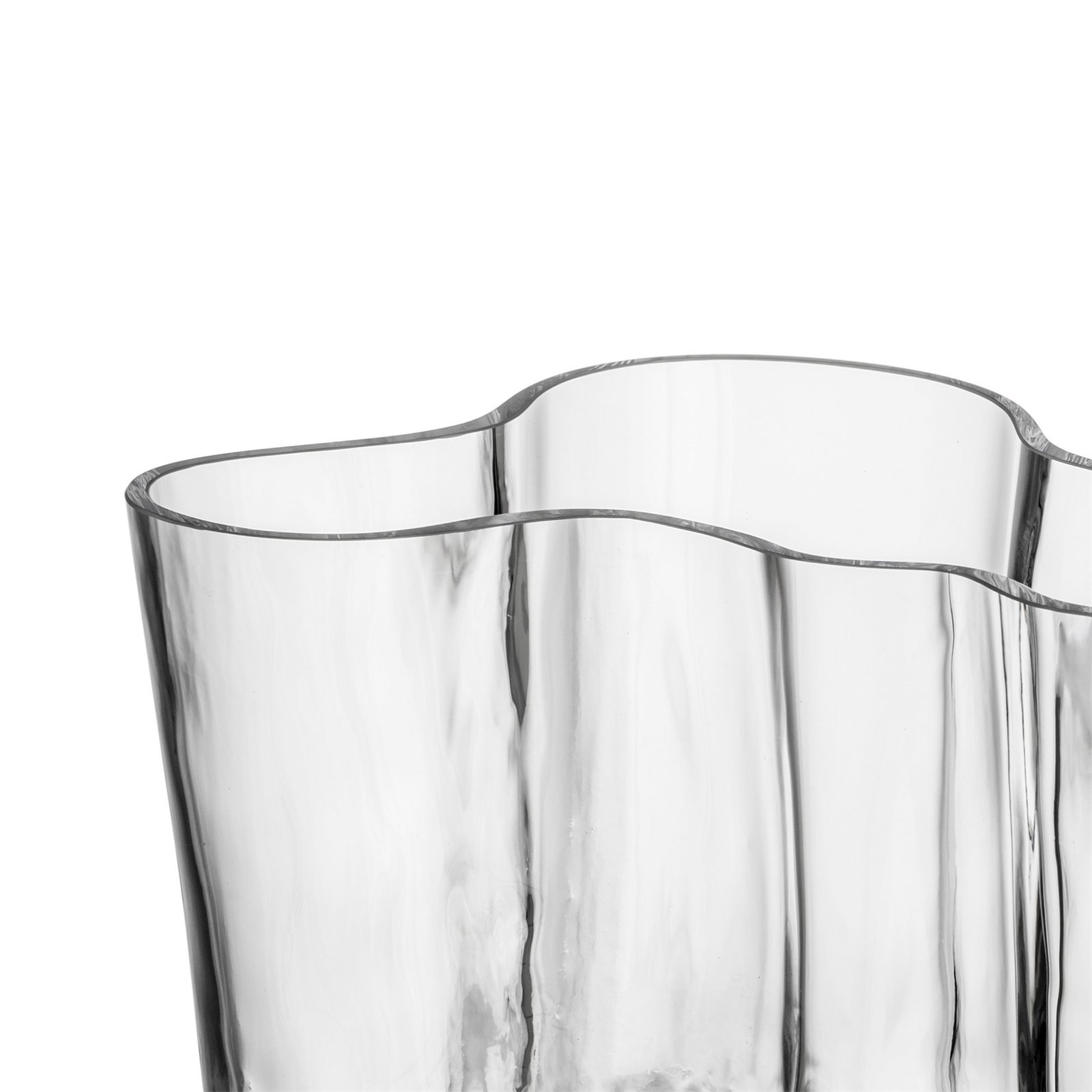
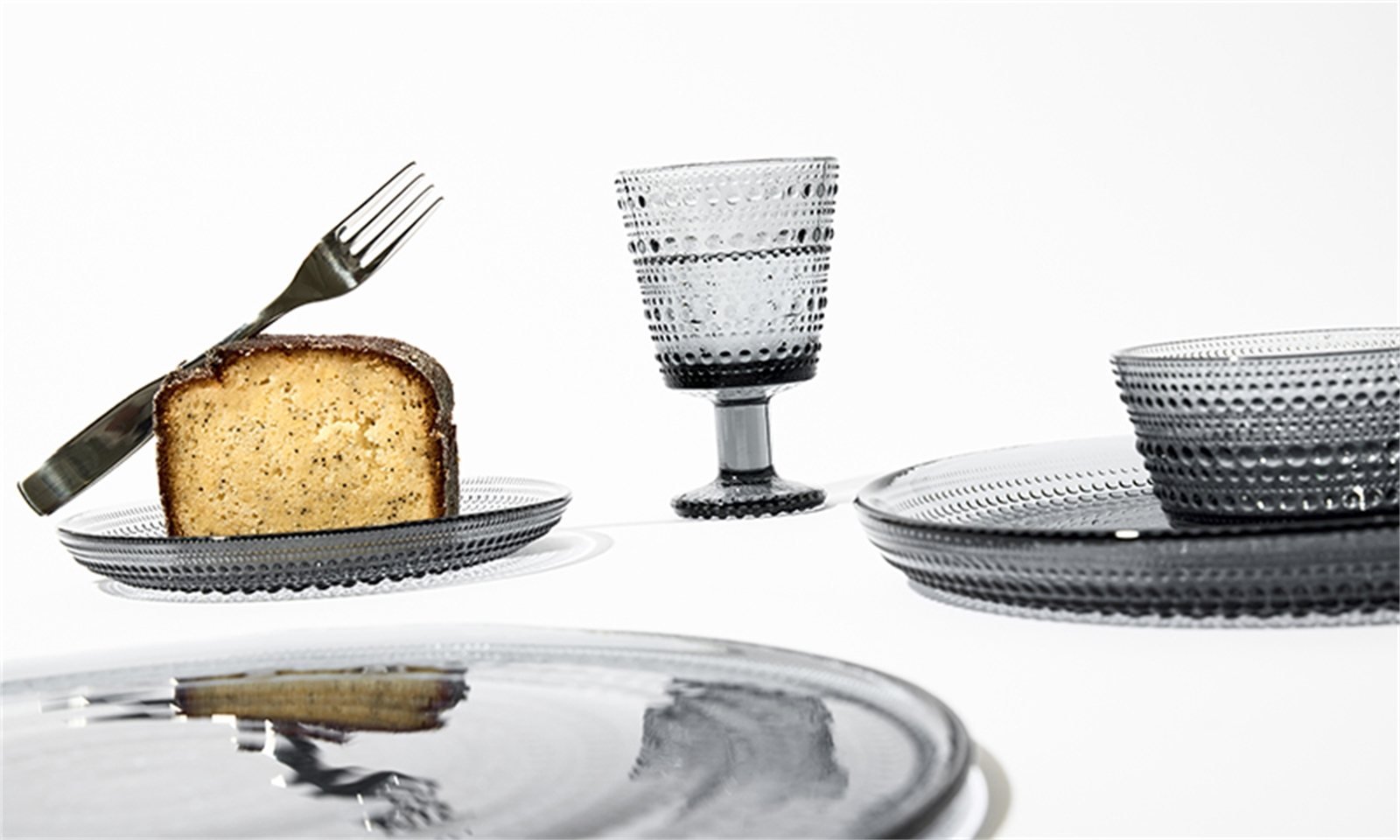
Alvar Aalto’s vase began with a design competition in 1936. In 1964, Oiva Toikka developed Kastehelmi’s dewdrop surface partly to conceal the join marks left by production. Seen alongside Ultima Thule, these pieces show how Finnish glass has translated observations of nature into methods of making, rather than applying them as surface decoration.

CHAPTER 06WHERE GLASS
IS STILL MADE

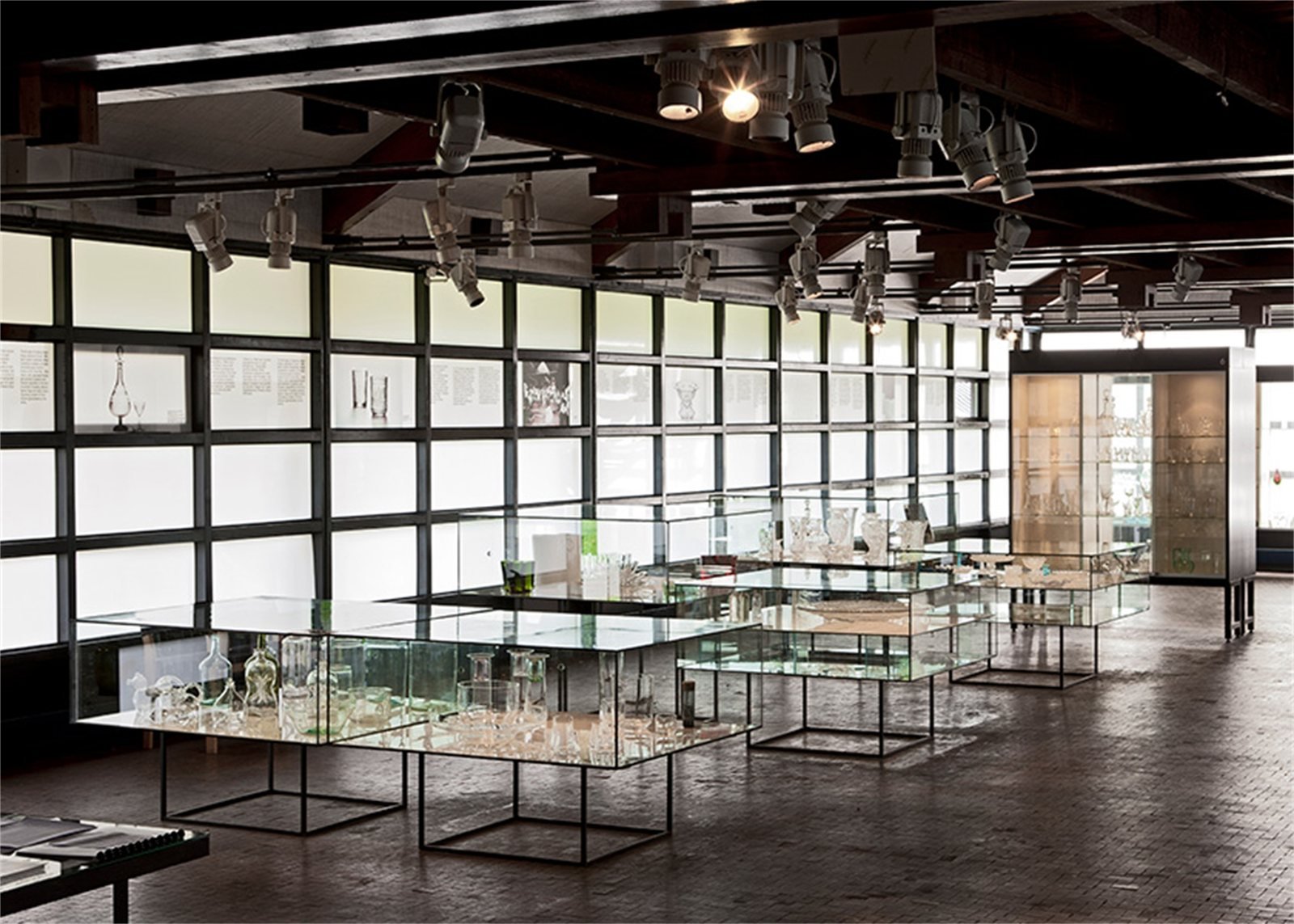
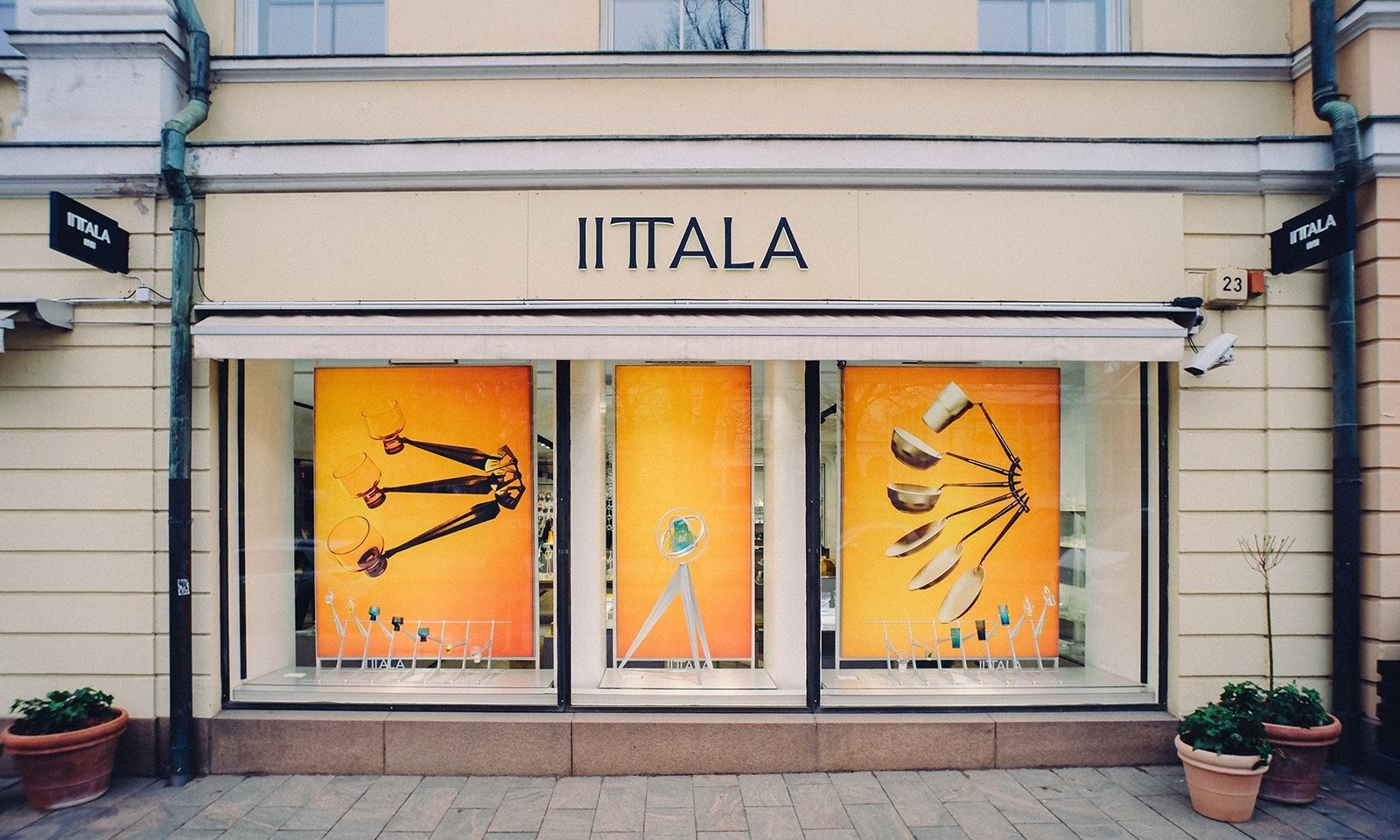
The glass factory at Iittala Village opened in 1881. Skilled makers continue to work there, while nearby visitor spaces connect the making process with the brand’s history. The Esplanadi flagship in Helsinki offers another view of how that craft tradition fits into contemporary urban life.

Glassmaker blowing glass at the Iittala factory
Iittala glass factory, craftsmanship · Image: Iittala
Glass display and visitor space at Iittala Village
Iittala Village museum and visitor space · Image: Iittala
Exterior of the Iittala Esplanadi flagship store in Helsinki
Iittala flagship store, Esplanadi, Helsinki · Image: Iittala
PREFERREDA good object does not demand attention before it is needed.
It performs its task and earns a place over time.Objects chosen for use, and kept through time.

FACT CHECK & IMAGE · Suunto Heritage · Suunto Ocean · Suunto Ocean navigation guide · Iittala — Ultima Thule · Iittala — Alvar Aalto Collection · Iittala — Kastehelmi · Iittala Village · Iittala stores

PREFERRED · VOL.01
11 / PREFERRED SELECTIONREAD THIS STORY ↗

Five Things Worth Another Look

Five choices, at different scales, that reflect the questions behind our inaugural issue.

From the boats, spaces, details and objects in this issue, the editors chose five subjects to revisit.

01 / BOAT

Targa 32

It keeps sightlines open while shielding the crew from the worst of the weather. A boat with a clear purpose shows how utility can develop a beauty of its own.

02 / SPACE

A wheelhouse that stays close to the sea

A sheltered space that makes more days on the water possible.

03 / DETAIL

A handhold you can find without looking

When the boat moves, the hand reaches for it first. Safety and confidence are built from small details like this.

04 / DIRECTION

Suunto Ocean

A personal instrument in which the role of the analogue compass has evolved into sensors, maps and route guidance.

05 / TABLE

Ultima Thule

A glass whose tactile surface evokes the thawing ice of Lapland.

PREFERRED · VOL.01
PREFERRED LETTER

Be the first to read
our next issue.

We will email you when a new issue is published.

SUBSCRIBE →
FIRST YACHT GUIDE

A Short Guide to Your First Yacht

Seven questions for a first-time buyer, gathered on one page. Read the complete guide in this issue.

READ THE BUYER'S GUIDE ↗