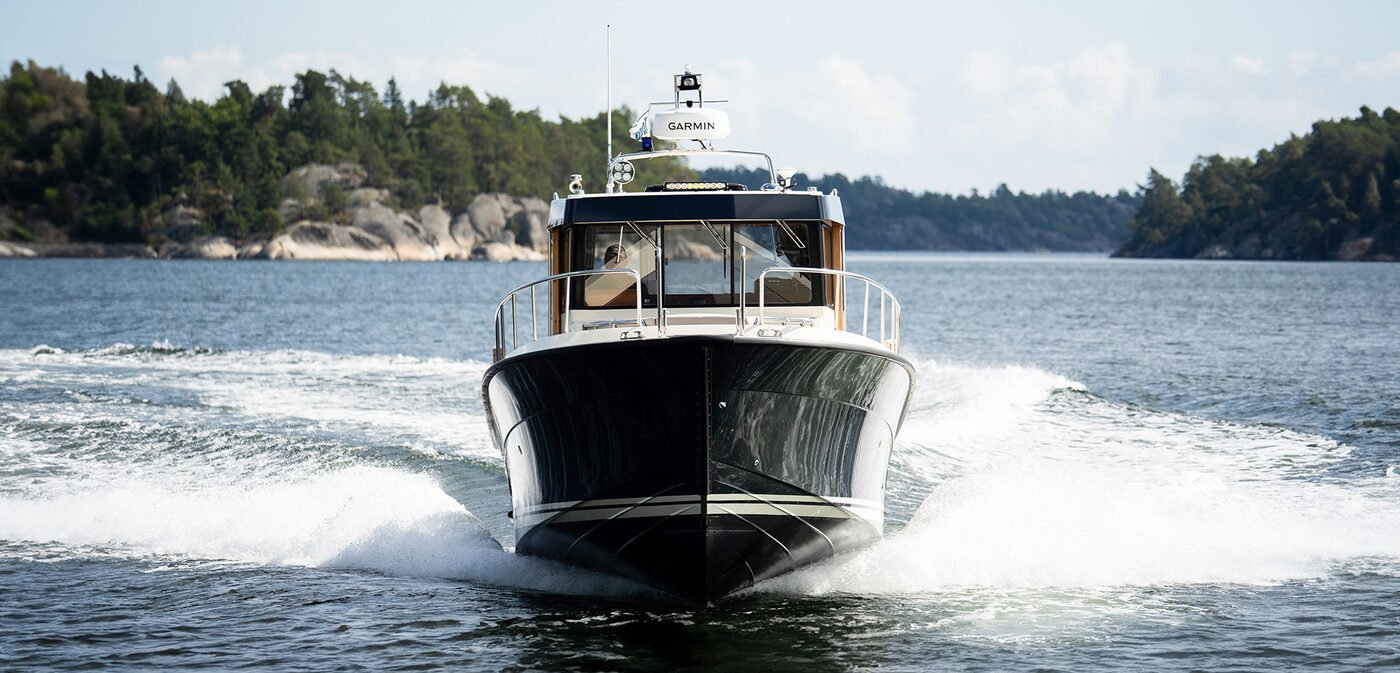
Objects for Direction and Time
SUUNTO × IITTALA — How northern conditions endure in function and form.
Suunto’s liquid-filled compass began with an effort to steady a moving needle. Iittala glass carries traces of the way its designers observed ice and water.
Suunto and Iittala do not have a collaborative relationship. PREFERRED brings their objects together through an editorial view of departure and return. One helps its user find a direction; the other gives form to time spent after returning.
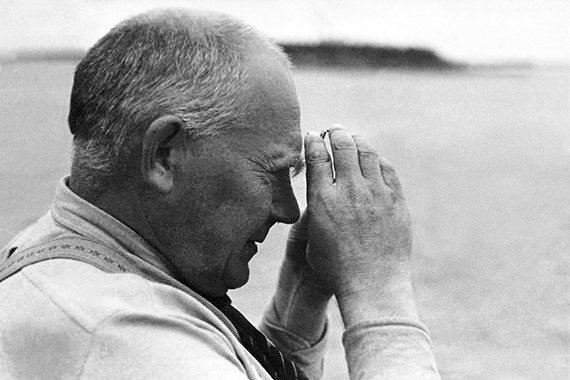
Surveyor Tuomas Vohlonen spent years trying to stabilise the easily disturbed needle of a conventional dry compass. In 1936, his method for allowing a needle to move steadily inside a liquid-filled capsule became the foundation of Suunto.
A compass does more than point north. When visibility fades and familiar ground disappears, it provides a steady point of reference.
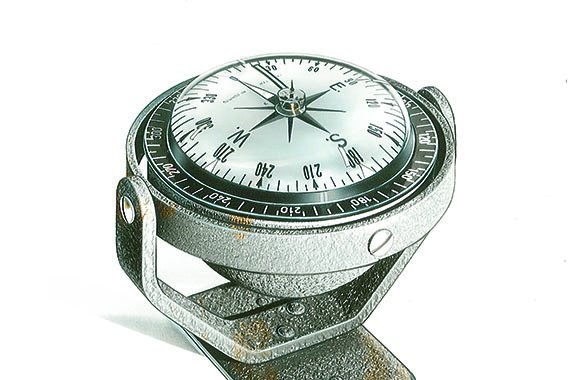
The K-12, introduced in 1953, was Suunto’s first marine compass. A small instrument for finding the way moved from forest and snow onto the water. Even as marine equipment becomes digital, this history matters. Technology changes form, while the purpose of giving a steady reference in a moving environment remains.
TO OCEAN
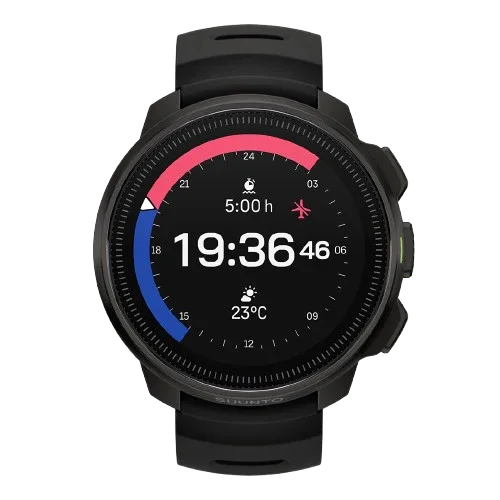
Suunto Ocean combines the functions of a dive computer and a sports watch. Its gyro-calibrated digital compass, bearing tracking, route navigation and offline maps show how the compass’s role has expanded through screens and sensors.
We do not present it as a dedicated sailing watch or a replacement for marine navigation equipment. It is a personal instrument that records activity in water and on land while helping its wearer stay oriented on an unfamiliar route.
Technology changes, but a good tool still serves the same purpose:
it provides a reliable point of reference when conditions grow uncertain.
Tapio Wirkkala designed Ultima Thule to evoke melting Lapland ice in the surface of the glass. Iittala says he spent around one thousand hours refining the molds and glassblowing technique. Rather than applying a pattern to the finished object, he made the production process itself leave the trace of ice.
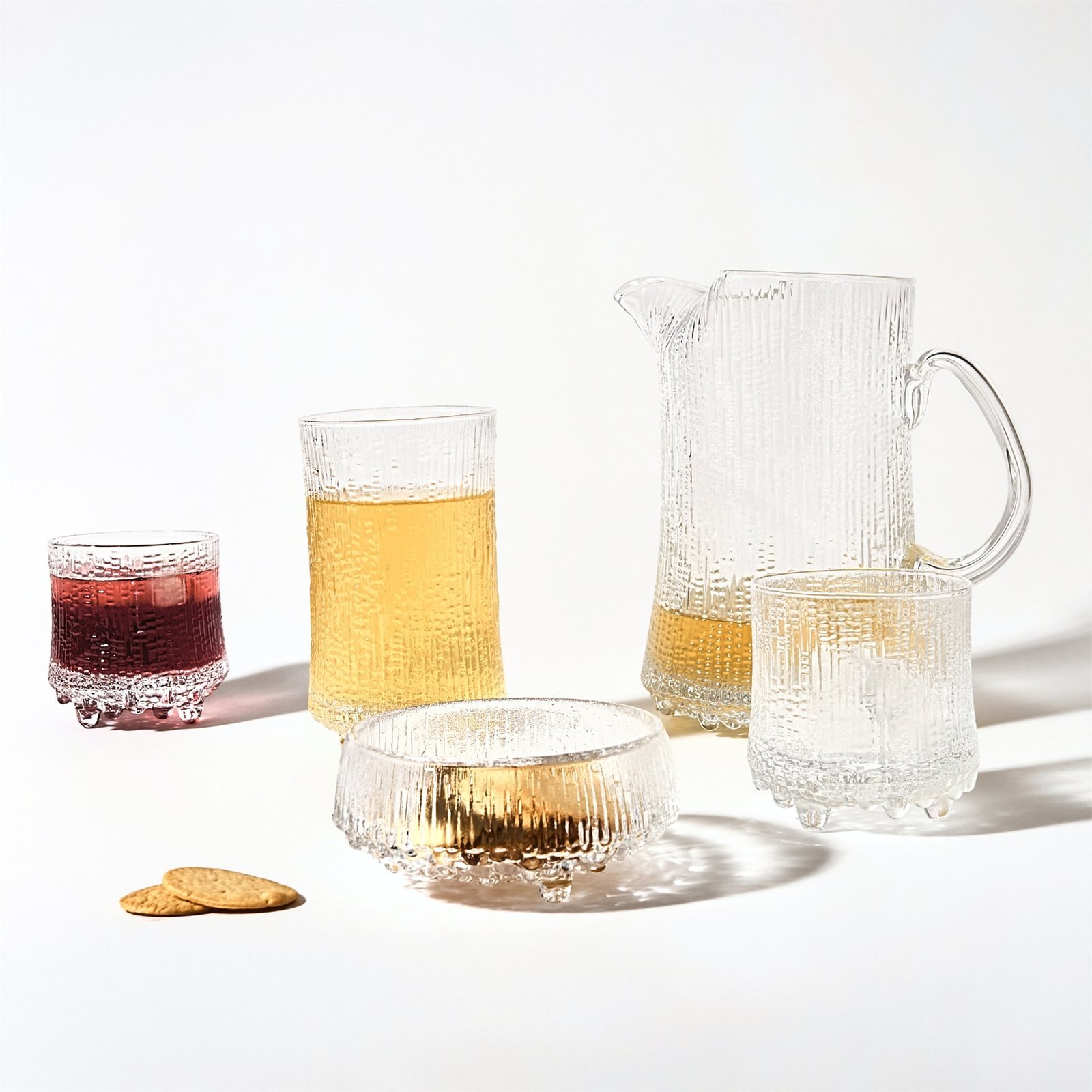
Selected independently by PREFERRED.
THAT REMAIN
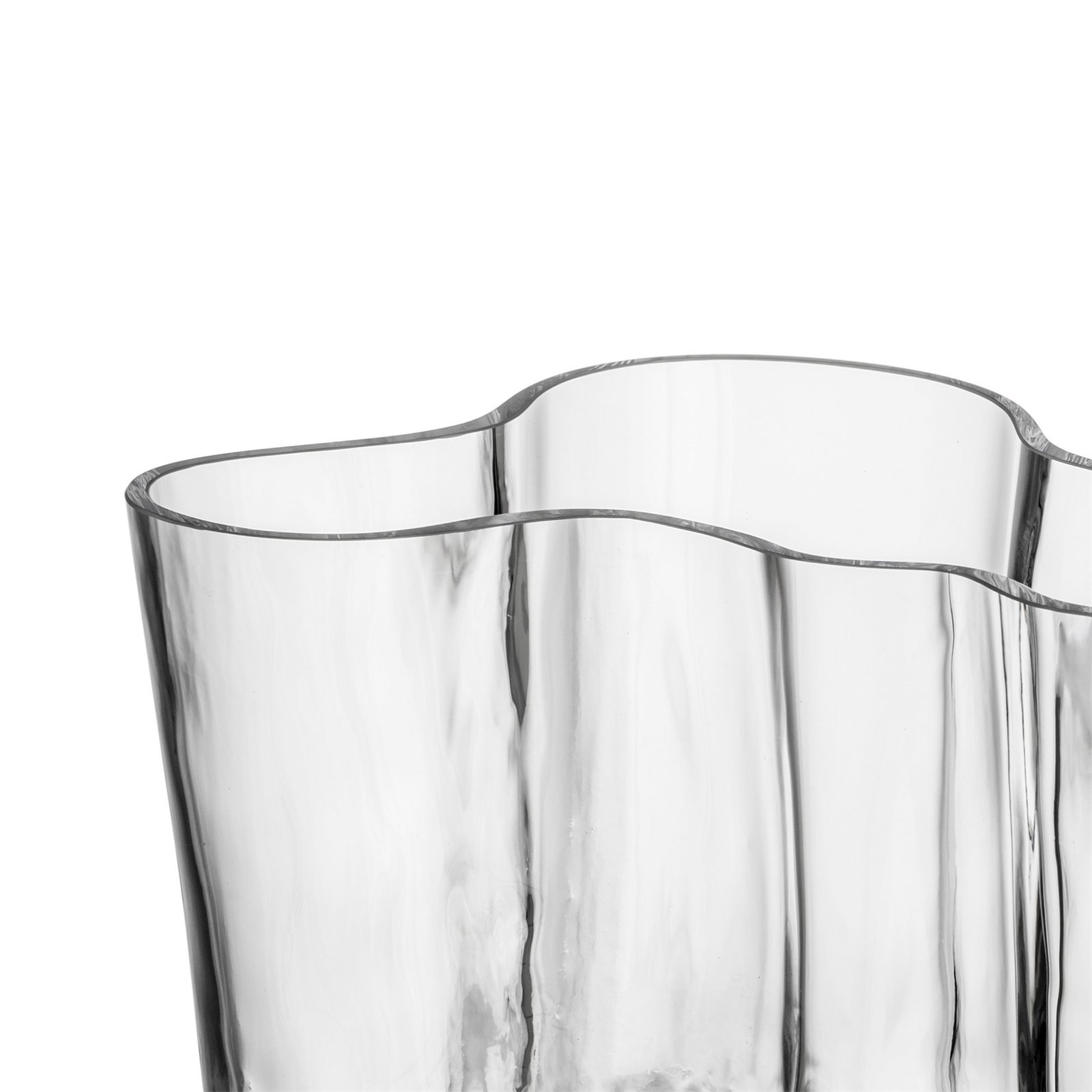
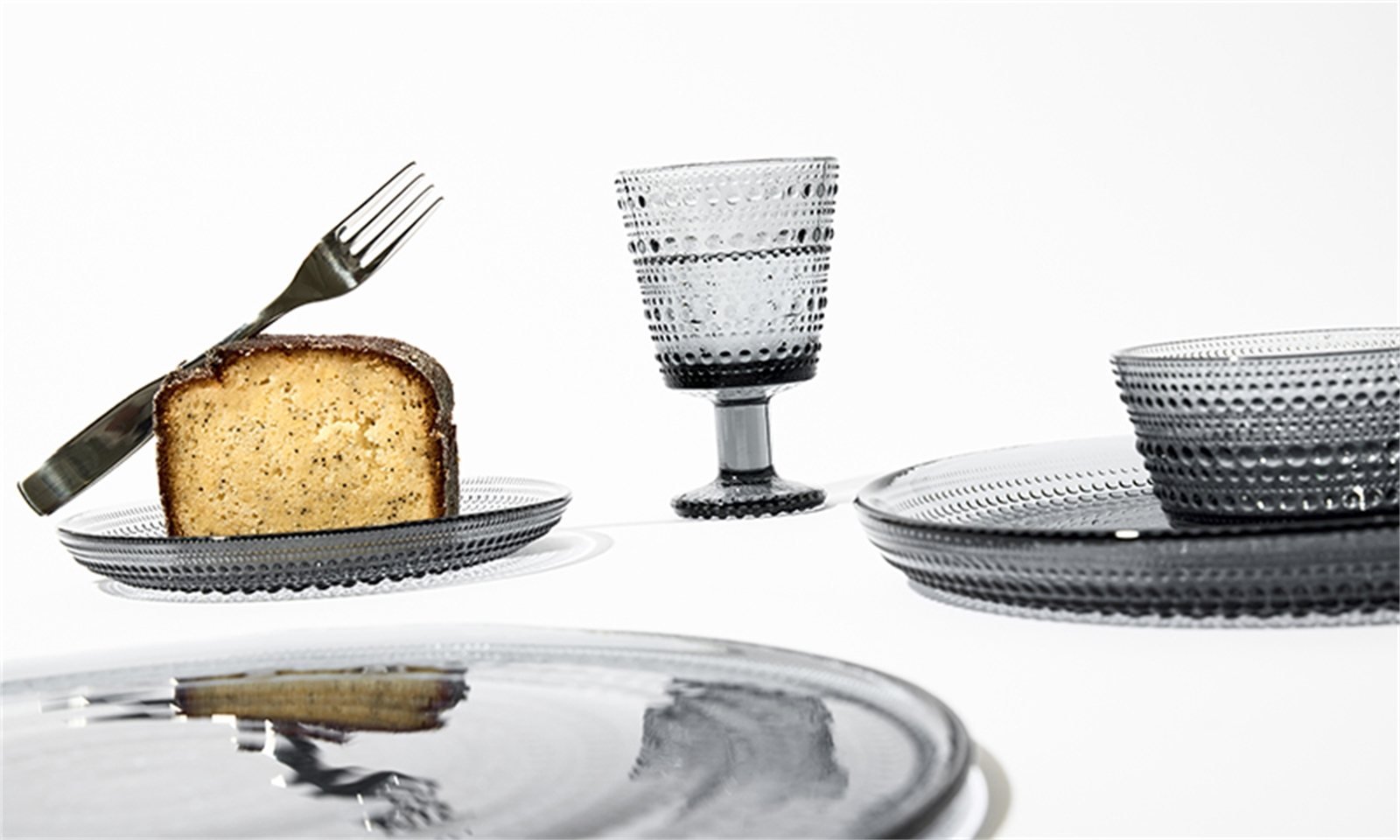
Alvar Aalto’s vase began with a design competition in 1936. In 1964, Oiva Toikka developed Kastehelmi’s dewdrop surface partly to conceal the join marks left by production. Seen alongside Ultima Thule, these pieces show how Finnish glass has translated observations of nature into methods of making, rather than applying them as surface decoration.
IS STILL MADE
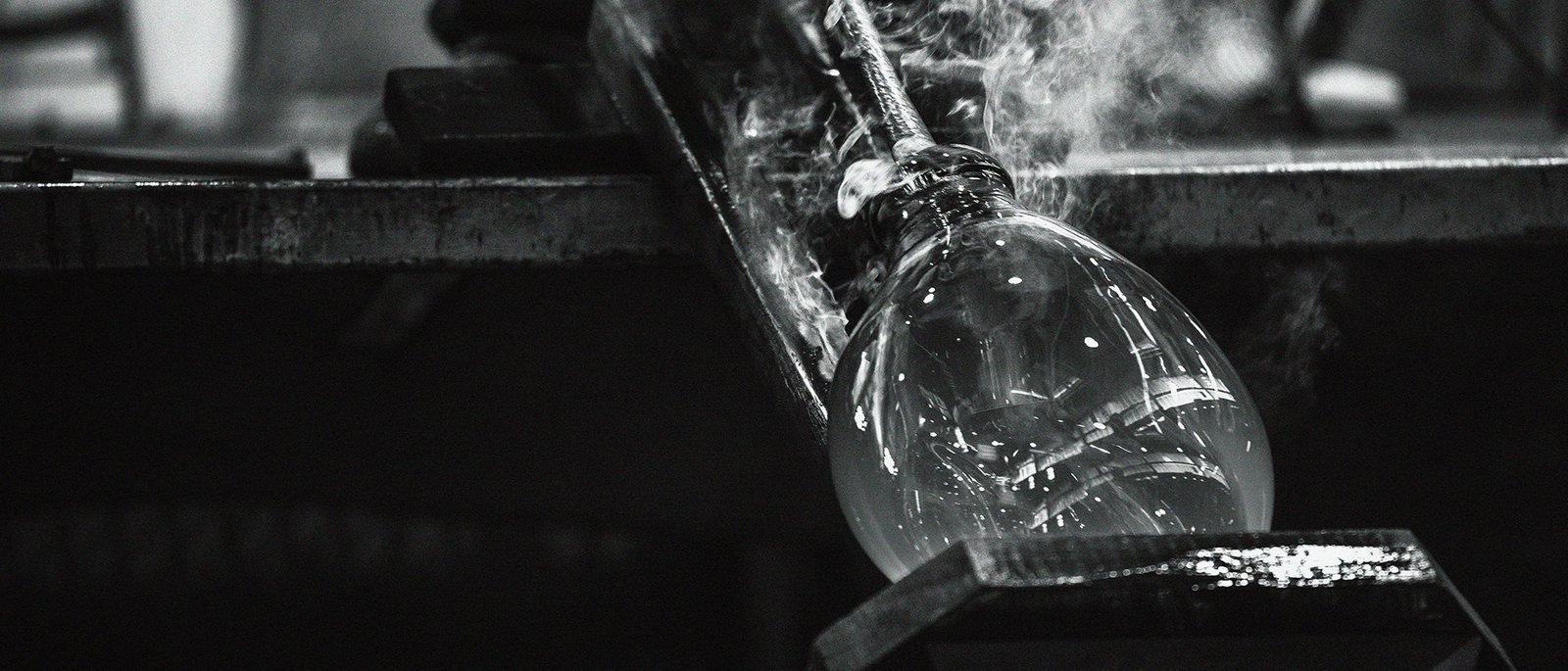
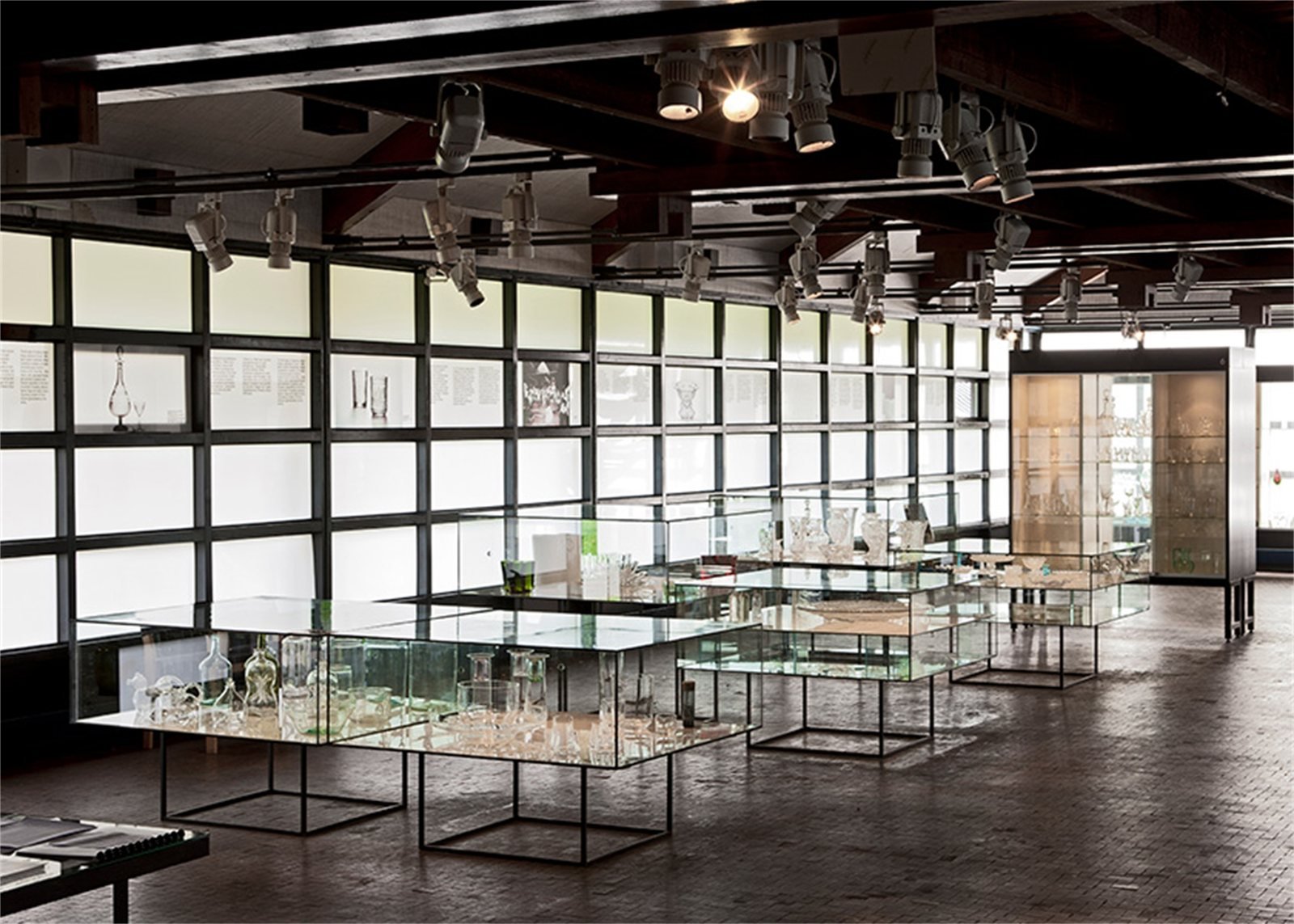
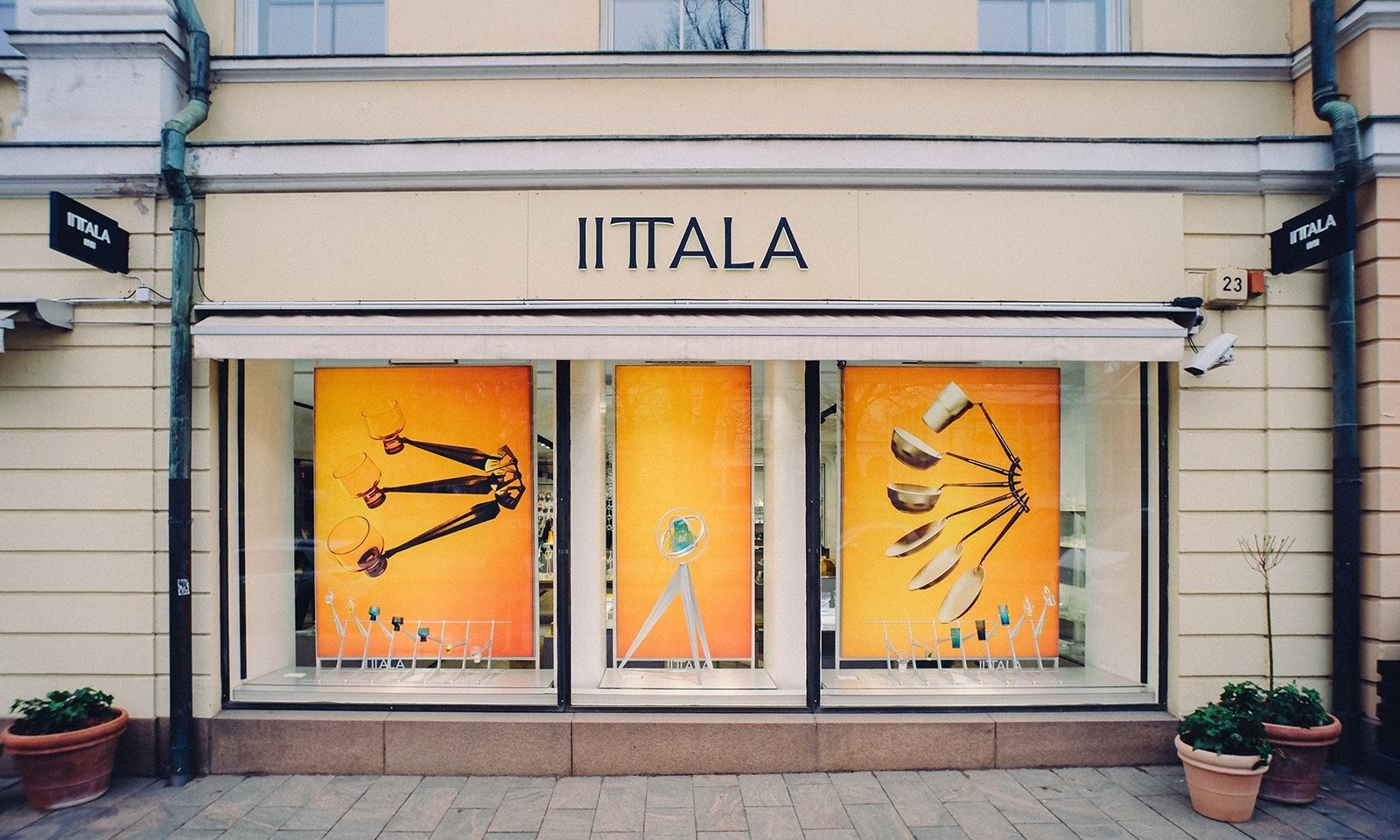
The glass factory at Iittala Village opened in 1881. Skilled makers continue to work there, while nearby visitor spaces connect the making process with the brand’s history. The Esplanadi flagship in Helsinki offers another view of how that craft tradition fits into contemporary urban life.
PREFERREDA good object does not demand attention before it is needed.
It performs its task and earns a place over time.Objects chosen for use, and kept through time.
FACT CHECK & IMAGE · Suunto Heritage · Suunto Ocean · Suunto Ocean navigation guide · Iittala — Ultima Thule · Iittala — Alvar Aalto Collection · Iittala — Kastehelmi · Iittala Village · Iittala stores